• FOOD & DRINKS
    • JOURNAL
    • TRAVEL
  • PRINTS
  • BLOG
  • CONTACT
Menu

Alexander Matragos | Food & Beverage Photographer | Welcome

  • PORTFOLIO
    • FOOD & DRINKS
    • JOURNAL
    • TRAVEL
  • PRINTS
  • BLOG
  • CONTACT
×

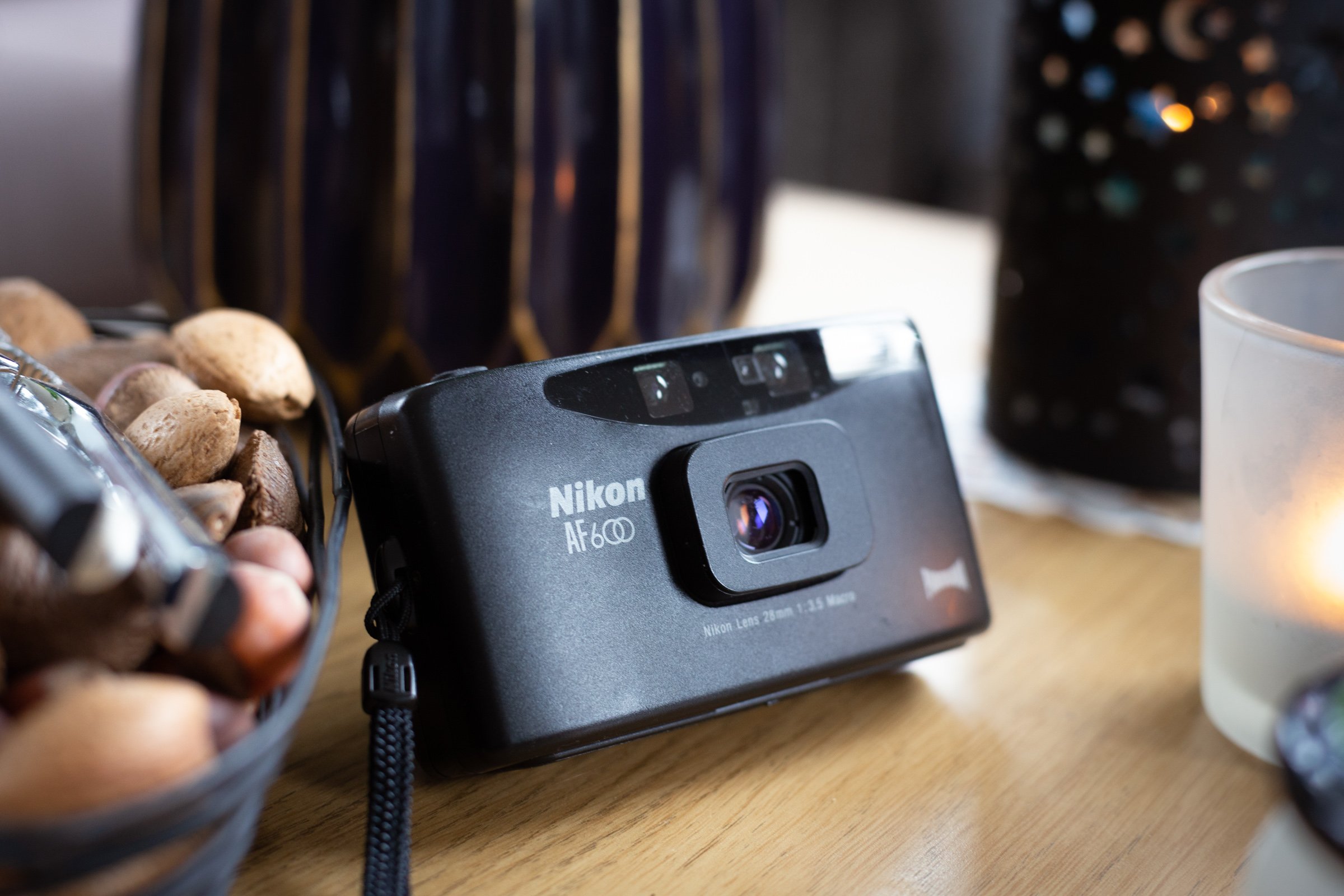
Nikon AF600 - A Hidden Treasure

Alexander Matragos November 13, 2021

With point and shoot camera prices in a constant hike and with the spotlight falling on a handful Contax, Yashica and Olympus models it can be hard finding lesser know cameras that are great performers with a significantly lower price tag. 

A few months ago I was looking for a decent point and shoot with a fixed wide angle lens and a wide enough aperture to keep in my pocket at all times. I stumbled upon the Nikon AF600, found one on ebay and decided to give it a try. A couple of months later having shot 5 rolls through this little camera and after getting back the scans from the lab I was pleasantly surprised by its performance. 
_MG_2658.jpg _MG_2661.jpg _MG_2665.jpg

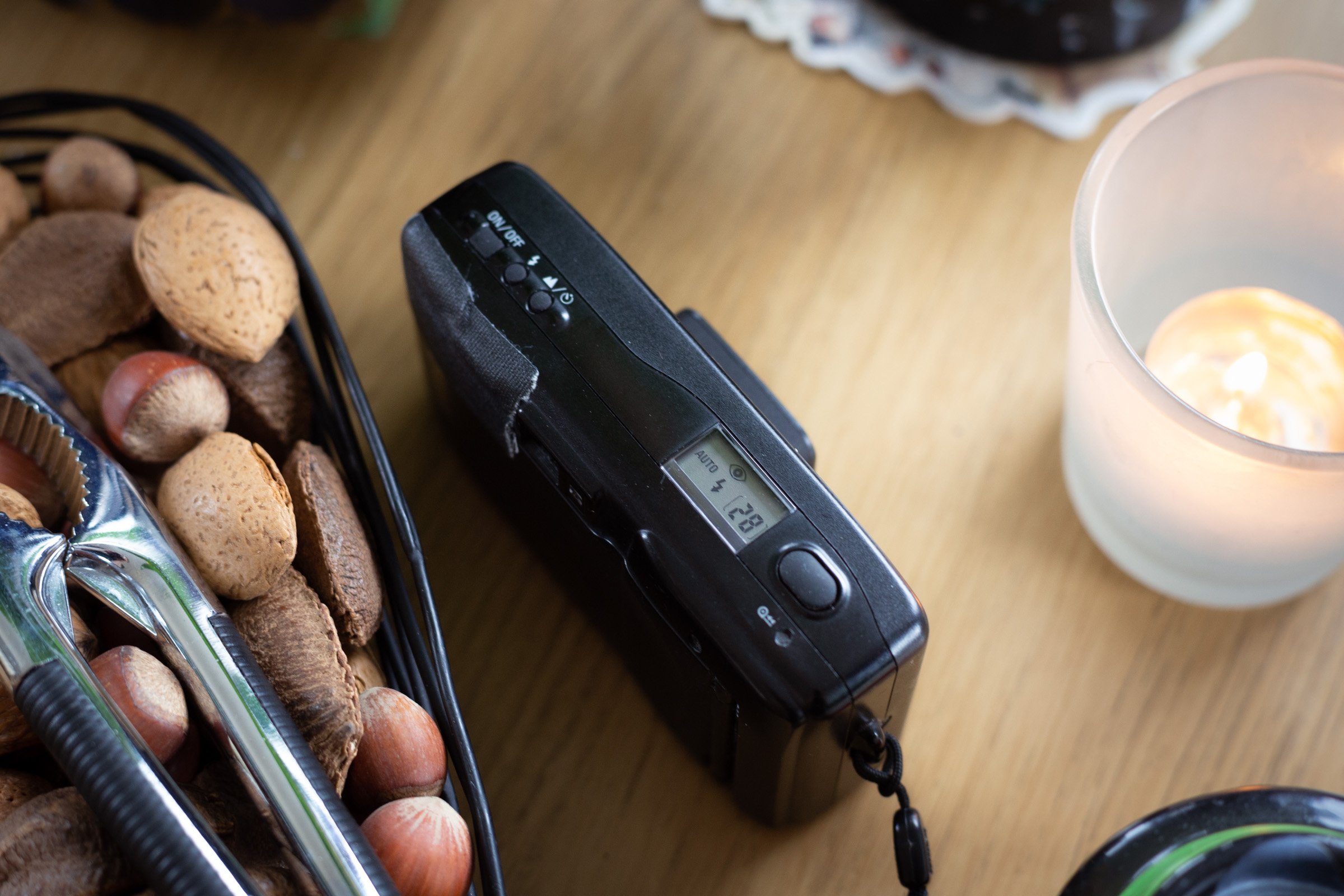
The camera was first introduced by Nikon in 1993. Tiny in size with a retractable 28mm f/3.5. It features a quick autofocus that has failed only in 2 shots out of the five rolls I’ve shot so far. The lens is really sharp and can focus really close down to a 0.35m thus giving you a nice flexibility and the ability to blur out backgrounds nicely in close up shots. At the time of its release, the AF600 was the world's smallest and lightest AF/AE camera.

 The downside of such a form factor as expected is the extremely small viewfinder that will take you a bit of time getting used to and the careful positioning of your fingers to avoid obscuring the lens. You will need to develop some awareness to avoid finger shots. 

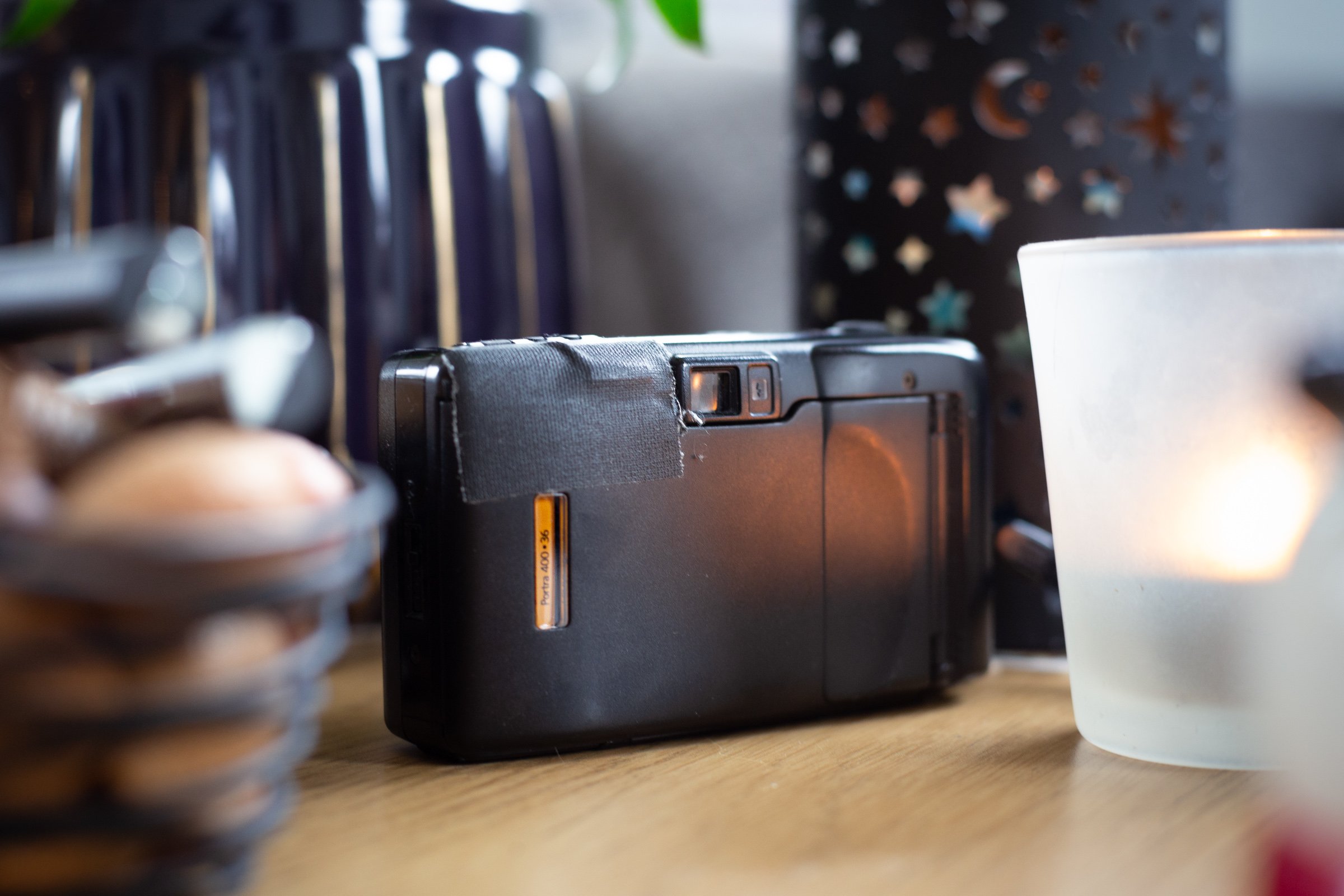
 On top of the camera there are three buttons plus the shutter release and a small lcd display. One on/off button, one to control the flash and one that allows you to either set the timer or set the focus to infinity to avoid close focusing when shooting through windows etc. It also features a panorama mode by blocking the top and bottom part of the frame and can be controlled by a switch at the back of the camera which I ended up taping after it was accidentally switched on and shot 3-4 images without realising.

 Another thing worth mentioning is the ability to prefocus, reframe and then take the shot which is extremely handy. It uses one 3V CR123A battery and I consistently get 37 shots out of it. There are a few similar cameras out there that worth looking into, including the Samsung AF-Slim, Rollei Prego AF and the Voigtländer Vito C-AF. You can get a good review of the Samsung on Hashem’s youtube channel here.


Alexander-Matragos-1.jpg Alexander-Matragos-3.jpg Alexander-Matragos-37.jpg Alexander-Matragos-33.jpg Alexander-Matragos-68.jpg Alexander-Matragos-11.jpg Alexander-Matragos-71.jpg Alexander-Matragos-73.jpg Alexander-Matragos-74.jpg

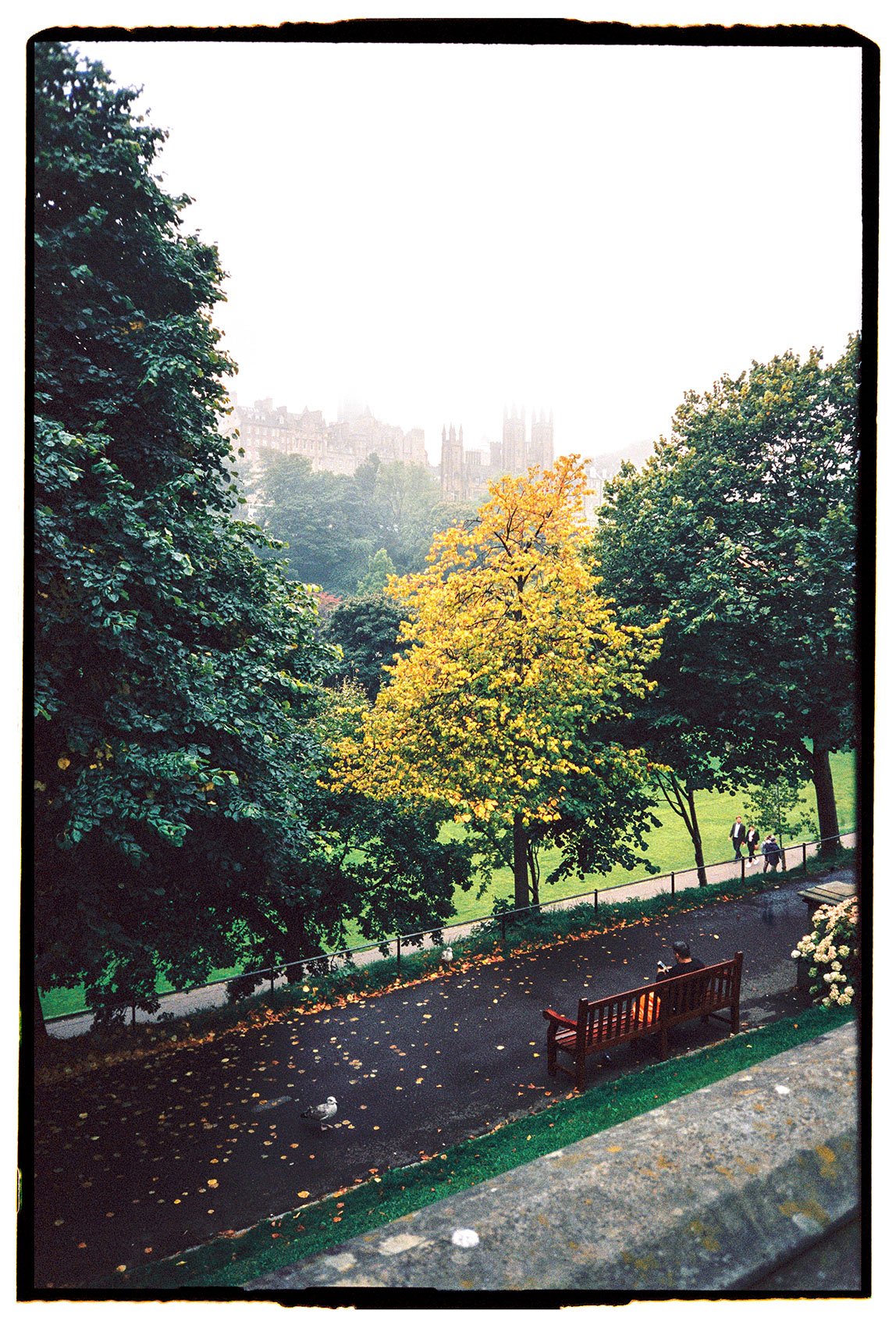
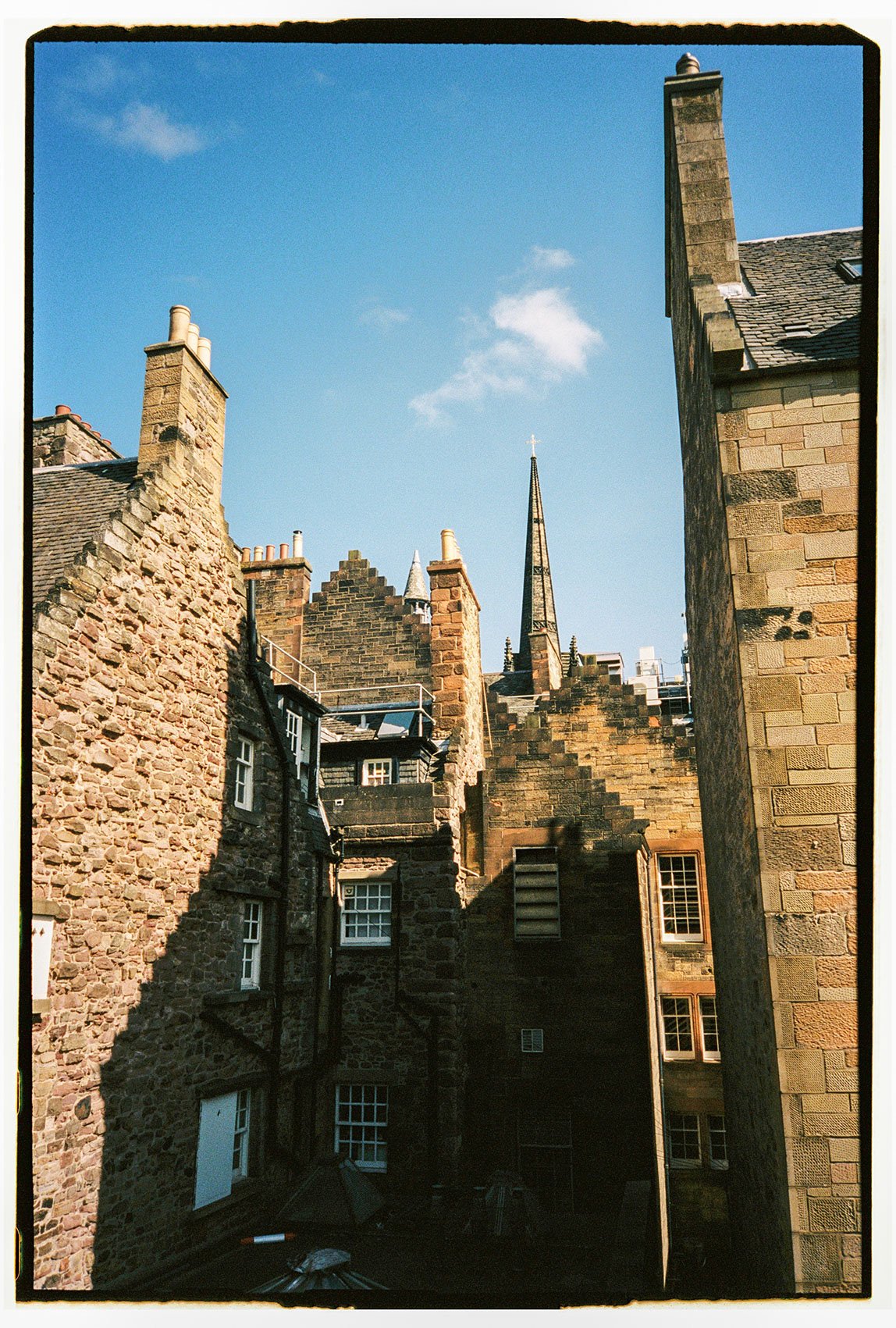
All the shots taken are on Portra 400 and developed by Carmencita Film Lab in Valencia.

← Building a copy stand to scan film for $100Shooting stills on Kodak Vision3 250D motion picture stock in Colorado →

Search Posts

Archive
  • October 2025
  • May 2025
  • July 2024
  • May 2023
  • February 2023
  • January 2023
  • November 2021
  • March 2020
  • January 2019
Featured
Trying Kodak’s New Films - Vision3 AHU
October 25, 2025
Trying Kodak’s New Films - Vision3 AHU
October 25, 2025

After 8 years of research Kodak has upgraded their Vision3 lineup of motion picture film stocks. They managed to remove the remjet layer and replace it with an Anti Halation Undercoat (hence the designation AHU). Among several improvements aimed to filmmakers, there was an unplanned benefit for still photographers, the films can now be easily processed together with other colour negative films in a more streamlined fashion. Wether you prefer ECN-2 or C41, now you can process the Vision3 films together with your Portra and Gold. Recently I had the opportunity to shoot them and see how they perform. To begin with, I was interested in comparing the new films against the old structure with the remjet layer. I loaded my Canon EOS 5 with the AHU variant and my EOS 50E with the remjet version of 250D. I used the same lenses on all images swapping them between the two cameras. Most of them were taken with either the Canon 24-105 f/4 L or the Zeiss 50mm f/1.4 Planar with the exception of one image taken on the Canon 100mm f/2.8 USM Macro lens. After finishing the rolls I processed both in ECN-2 and digitised them with my usual setup. There are some interesting results to be observed from this test and you can see some high-res image samples in this blog post. After finishing this comparison, I shot the rest of the rolls in a more casual manner over the course of a few weeks. I shot a roll of 50D, one 250D and one 500T with my M2 and the Voigtländer 35mm f/2.5 Color-Skopar and processed them in C41.

Read more →
October 25, 2025
Does film developer expire? Tips on preservation and best practices
May 4, 2025
Does film developer expire? Tips on preservation and best practices
May 4, 2025

With an excuse to test out both my new Mamiya RZ67 and my 4 year old film developer I set out to do a test shoot to help me compare my old Ilfotec HC to a fresh one, as well as to check on the condition of both film backs. I set up a still life shoot and loaded both backs with Ilford Delta 100. I lit the scene with a single 500w Profoto strobe light with a reflector and a grid attached, firing behind a large sheet of diffusion. I also used a white card to fill in some of the shadows. I took duplicate images and proceeded to develop one roll with the expired chemistry and one with the fresh developer. After comparing the images I piled up a few tips and best practices to help you preserve your chemistry for longer as well as examples on how you can test your chemicals.

Read more →
May 4, 2025
ECN-2 vs C41 Part II: Darkroom Printing
July 14, 2024
ECN-2 vs C41 Part II: Darkroom Printing
July 14, 2024

Using the two rolls of Kodak Vision3 500T motion picture film that I shot in the previous video, I went ahead and made a few RA4 darkroom handprints to further compare how the chemistry affects the end result.

Read more →
July 14, 2024
18 - C41-Edit-Re.jpg
May 6, 2023
ECN-2 vs C41 Development Comparison on Kodak Vision3 500T
May 6, 2023

With quotes claiming that the ECN-2 process yields far better results when developing cinema film and that C41 degrades the colour and contrast rendition, it got me interested to do a direct comparison of the two processes using Kodak Vision3 500T, developed in ECN-2 and C41 chemistry.

Read more →
May 6, 2023
400ft to 100ft - Bulk Loading Kodak Vision3 500T Cinema Film
February 25, 2023
400ft to 100ft - Bulk Loading Kodak Vision3 500T Cinema Film
February 25, 2023

How do I cut a 400ft roll down to 100ft to use it with my bulk loader? The main focus of this article is the respooling of 400ft rolls of 35mm film to 100ft.

Read more →
February 25, 2023