
My Freezer Is A Mess
You are flipping through an old photography book, or maybe scrolling through a gallery online, and you spot a set of beautiful images shot on a long-discontinued film stock. The colour palette just hits you, and you realise the film was still around 10 to 15 years ago, but you never got the chance to shoot it. Next thing you know, you’re deep down the eBay rabbit hole, hunting for a few well-stored rolls, or anything really.
Sometimes you're patient, sometimes you pay extra, but fast forward a few months and you’ve got a freezer full of film you were anxious to try. Naturally, you tell yourself you're saving it for a special project or the perfect moment since you only found a few rolls. But that project never quite comes, or the idea gets scrapped. When it’s actually time to head out and shoot, you end up grabbing a fresh roll most of the time, and the pile just sits there.
The thing is, film isn’t getting any younger. Cold storage slows down degradation, but eventually, base fog builds up, colours start shifting, and you lose the chance to experience the film the way it was actually meant to look. I’m sure you’re familiar with this story. I know I’m certainly not the only one.
At the end of last year, I took a thorough look inside my freezer, staring at 10+ years worth of random late-night purchases, and decided it was finally time to start shooting these rolls. I didn’t buy all this film to flip it on eBay, I bought it because I wanted to shoot it. And since the "perfect moment" will never arrive if you just keep waiting, I realised you have to create your own opportunities to use them.
So, that’s exactly what I did. For the past ten months, I’ve been actively working my way through the stash. I haven’t stopped shooting fresh stock, but I make a point to mix in these older rolls as often as I can.
While sorting through everything, I found out I had plenty of interesting films from Fuji. Some I had shot in the past, but many were completely new to me. It felt like the perfect excuse to look back at Fuji’s recent history and revisit some of the incredible films they’ve made over the years.
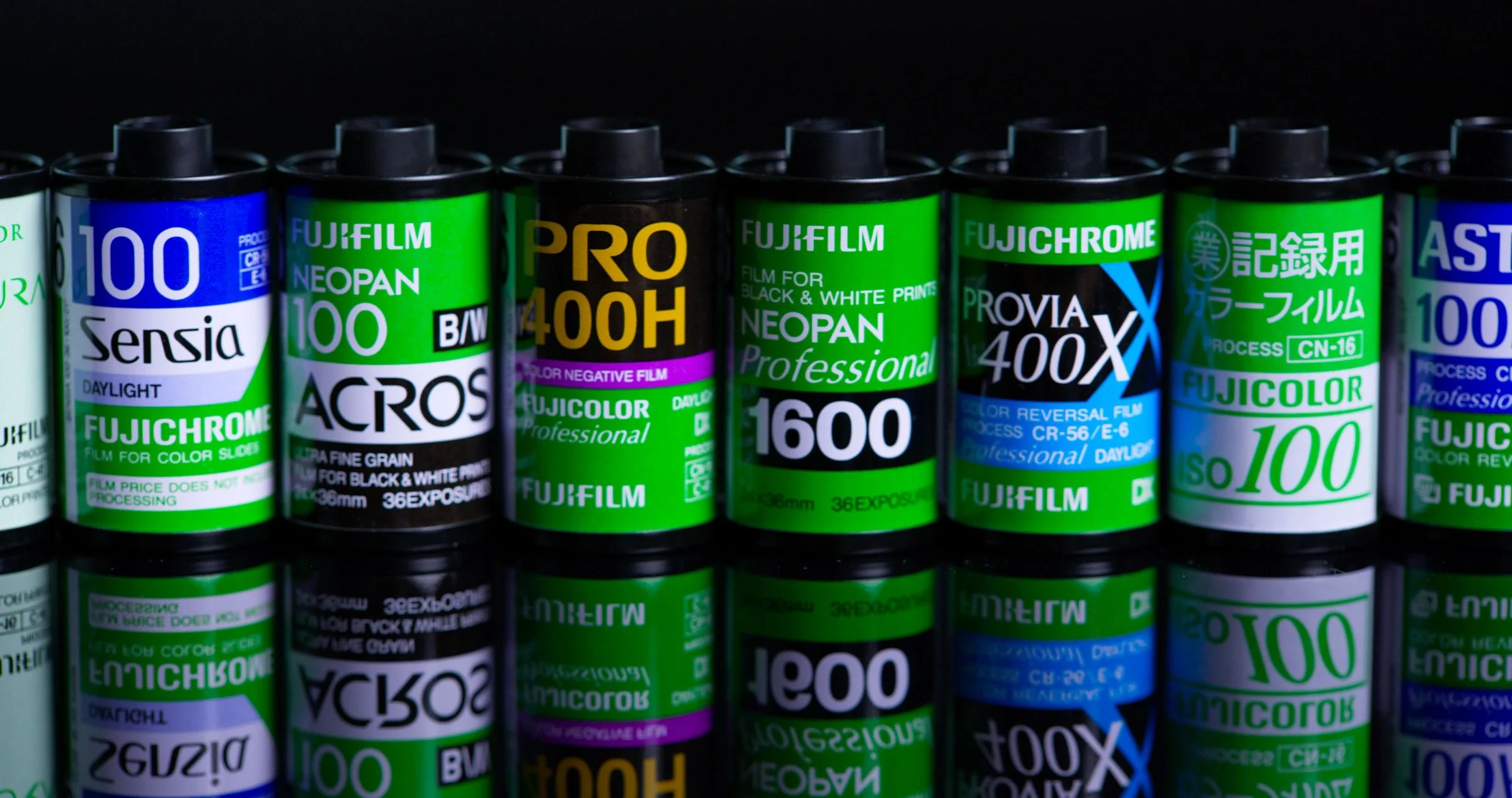
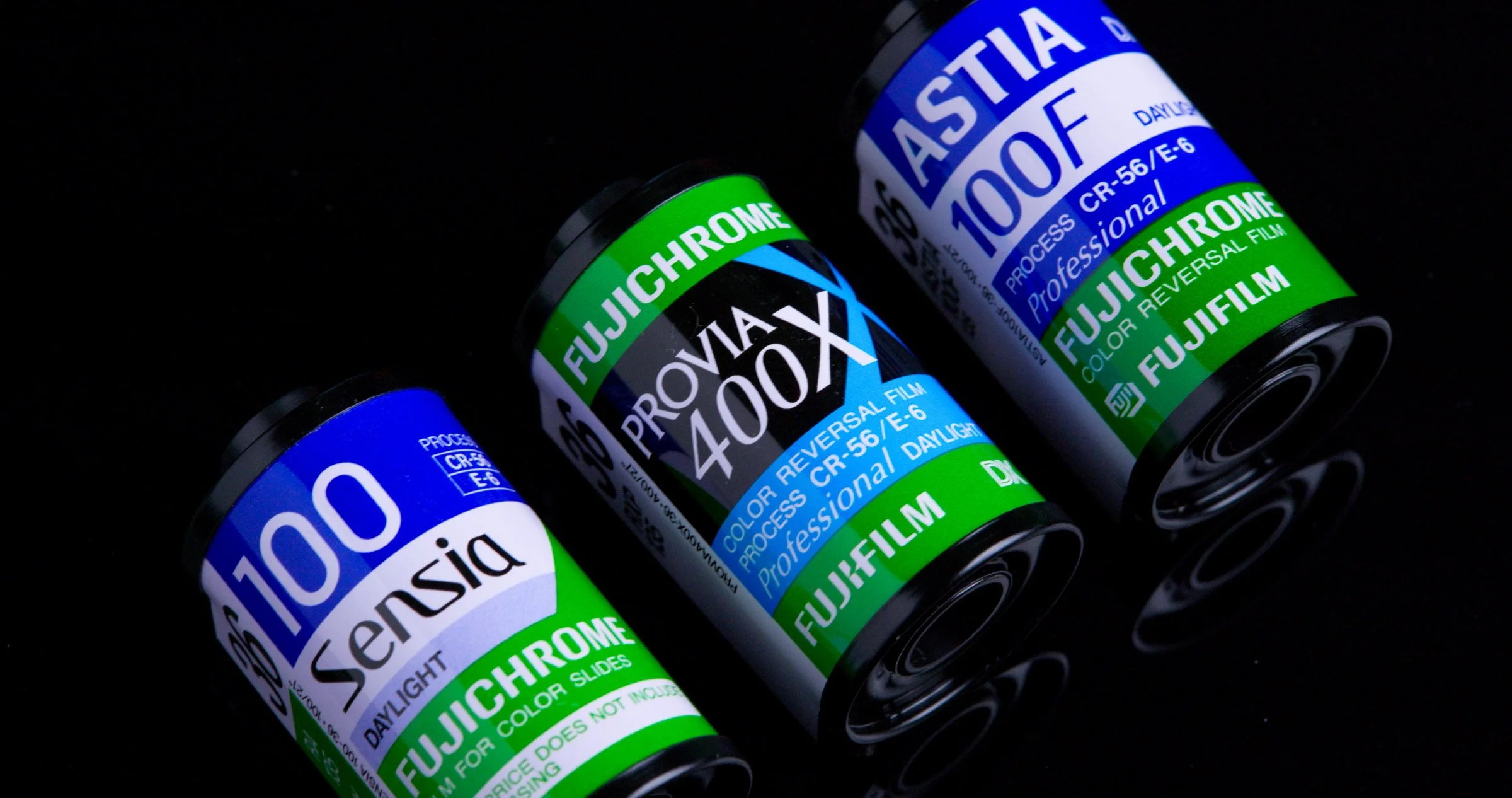
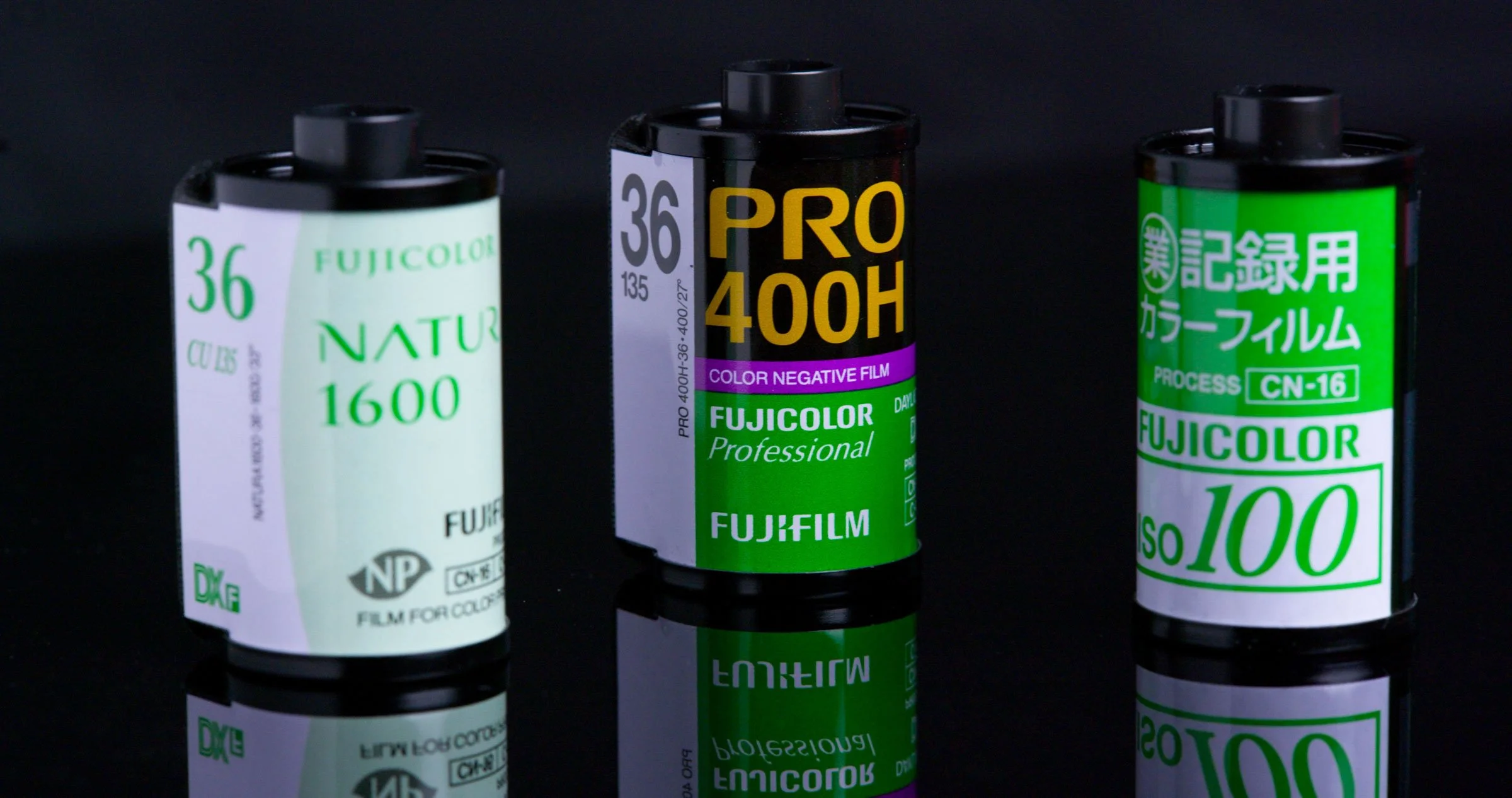
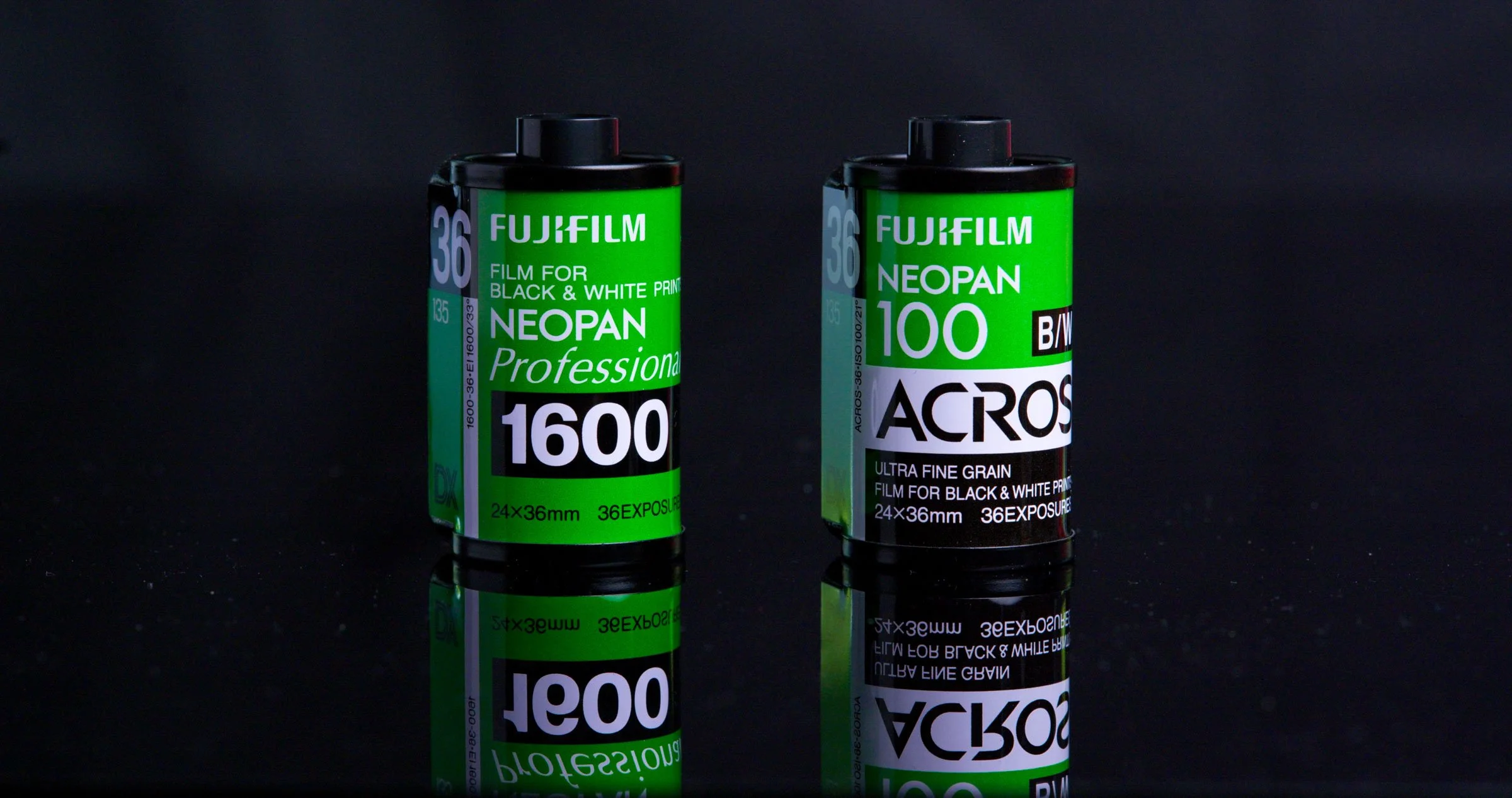
In this post (and the accompanying video), we’re going to look at eight different films, split into three categories: Slide, Colour Negative and Black & White.
For each film, I’ll share a brief overview alongside the images I’ve shot recently, adding some older frames from the films I've shot before. Where available, I’ve also included Fuji's official data sheets if you want to dive into the full technical specs.
Let's get right into it.
Colour Reversal Films
Running under several different names, colour reversal, slide and colour positive all refer to same type of film. In this chapter, we are going to look at three different films, we have Astia 100F, Sensia 100 and Provia 400x.
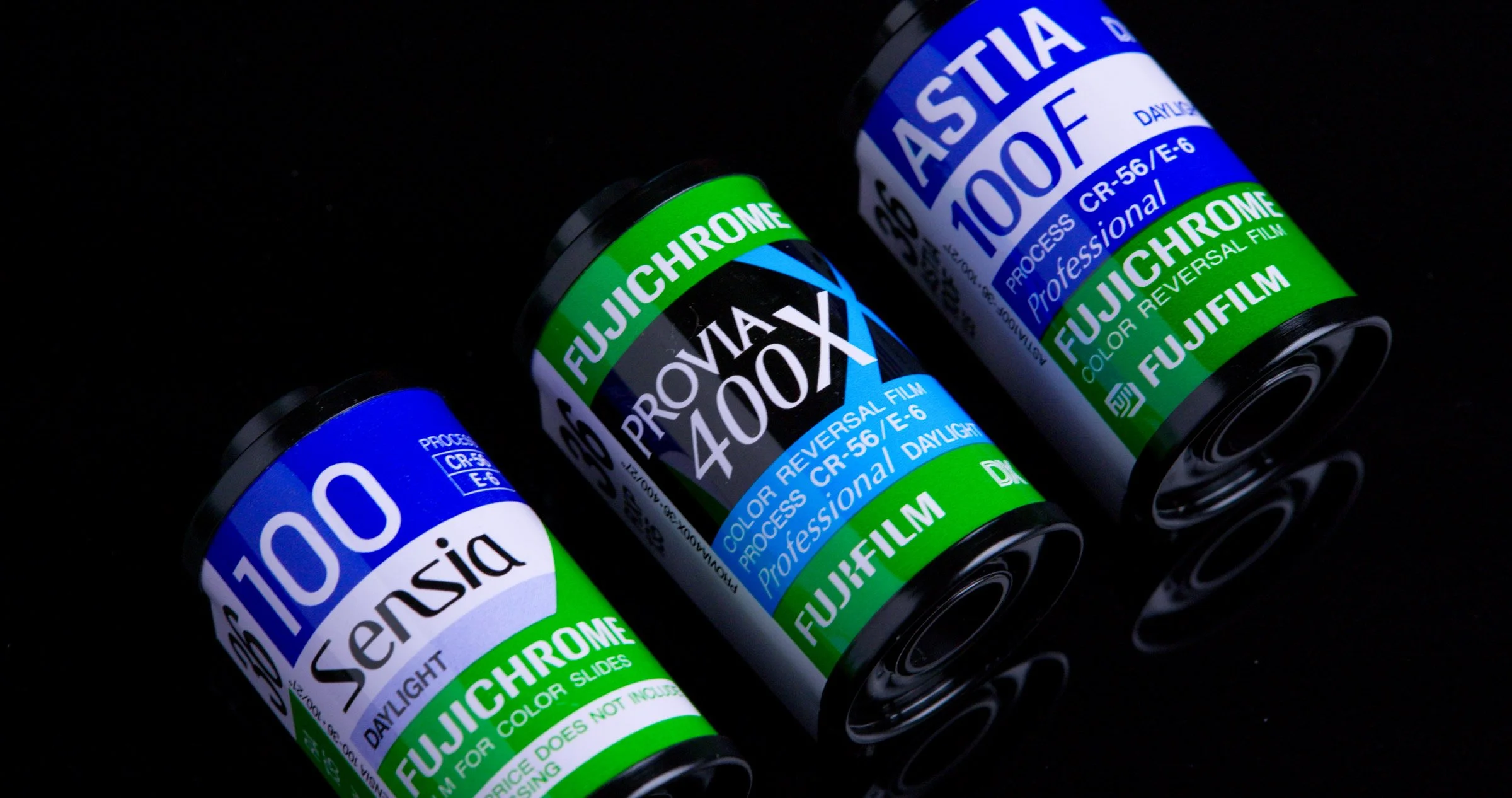
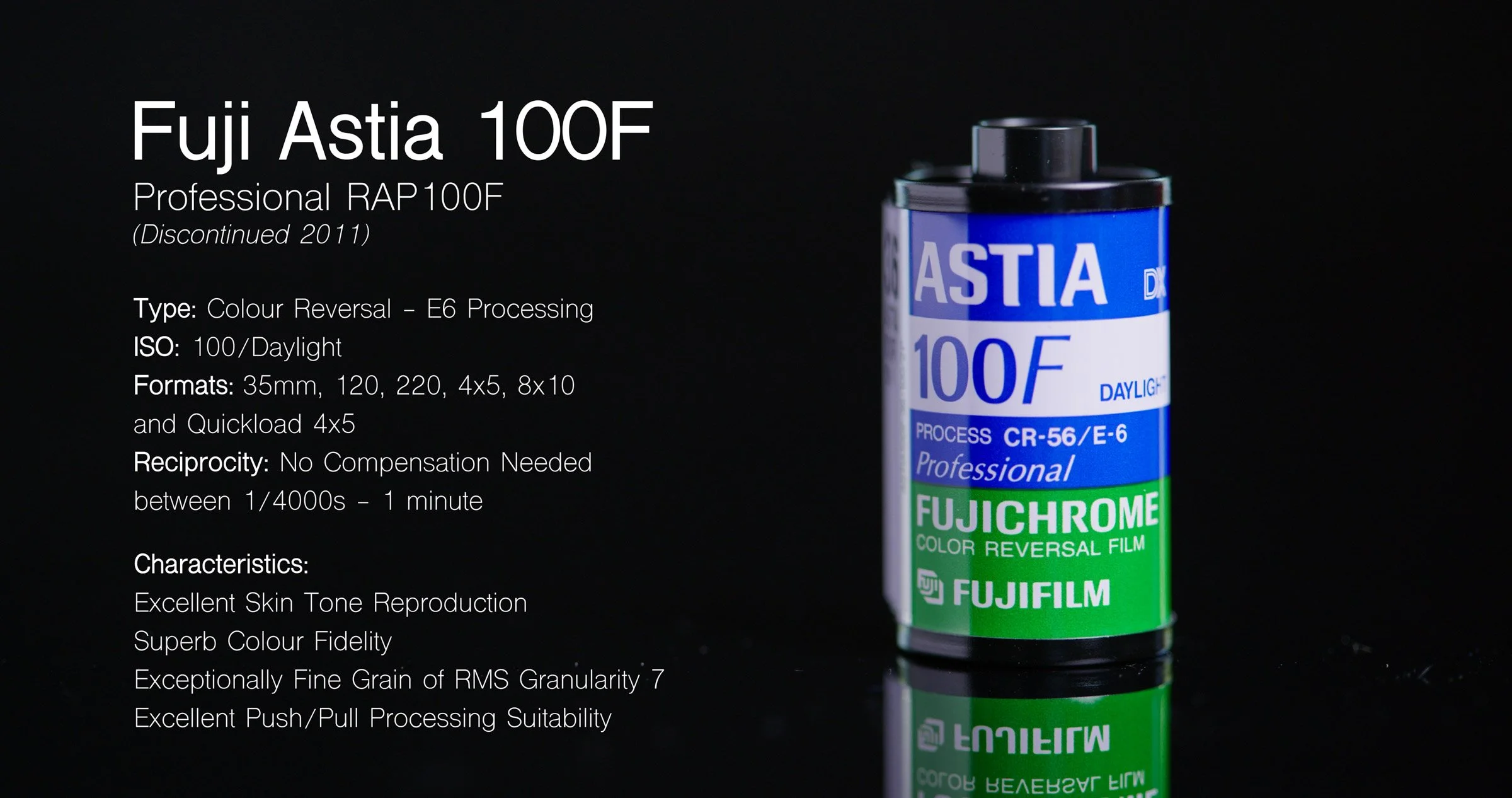
We are starting off with Astia 100F which was one of the biggest standouts. Out of all the colour films I shot this has by far the most true-to-life colour representation. Originally launched in 1997 and discontinued in 2011, Astia sat alongside Provia and Velvia as part of Fujifilm's professional slide film lineup. While Velvia was famous for intense saturation and Provia for versatility, Astia was built for subtlety. Fuji engineered it specifically for studio, fashion, and portrait work, advertising "superb colour fidelity" and "excellent skin tone reproduction."
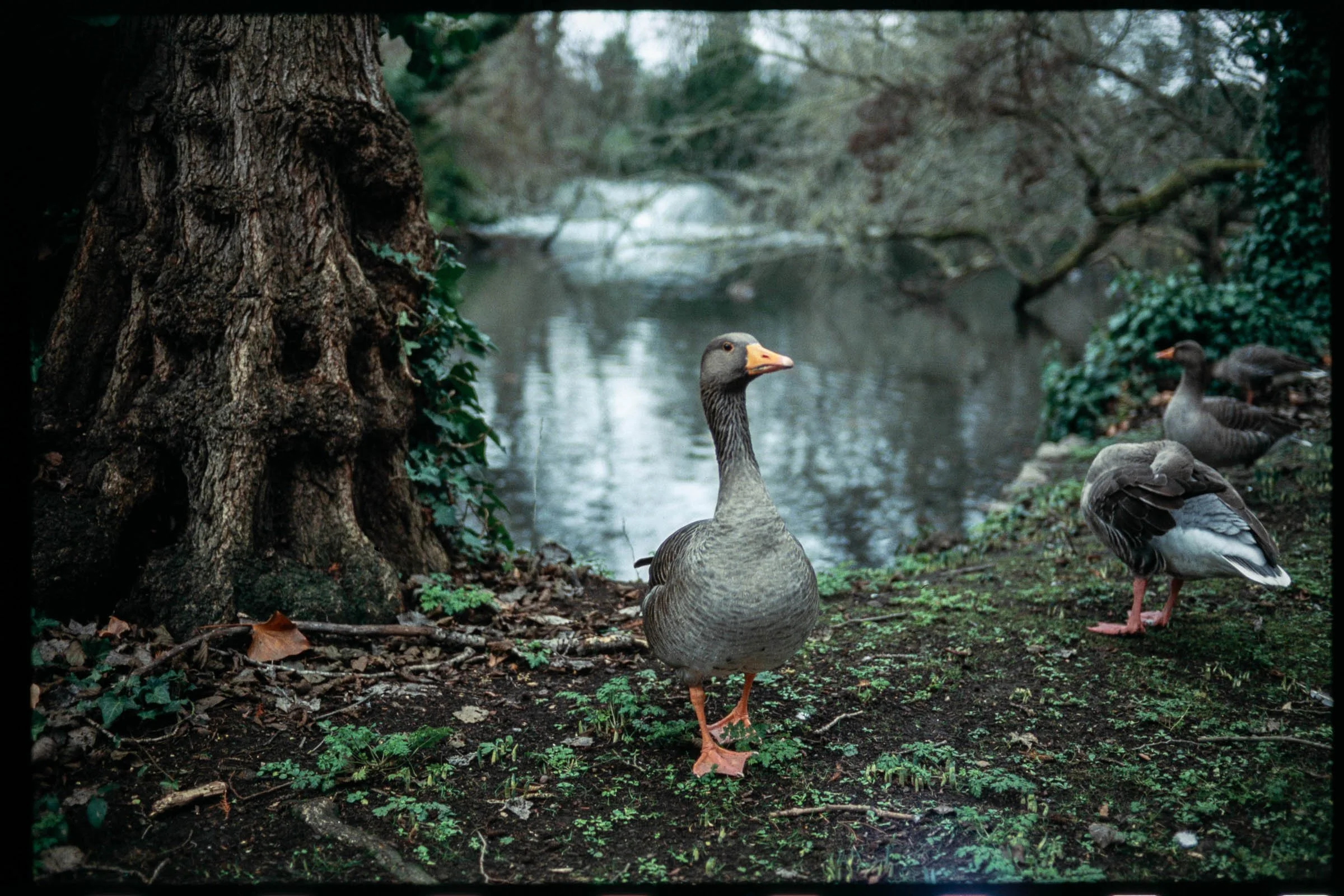

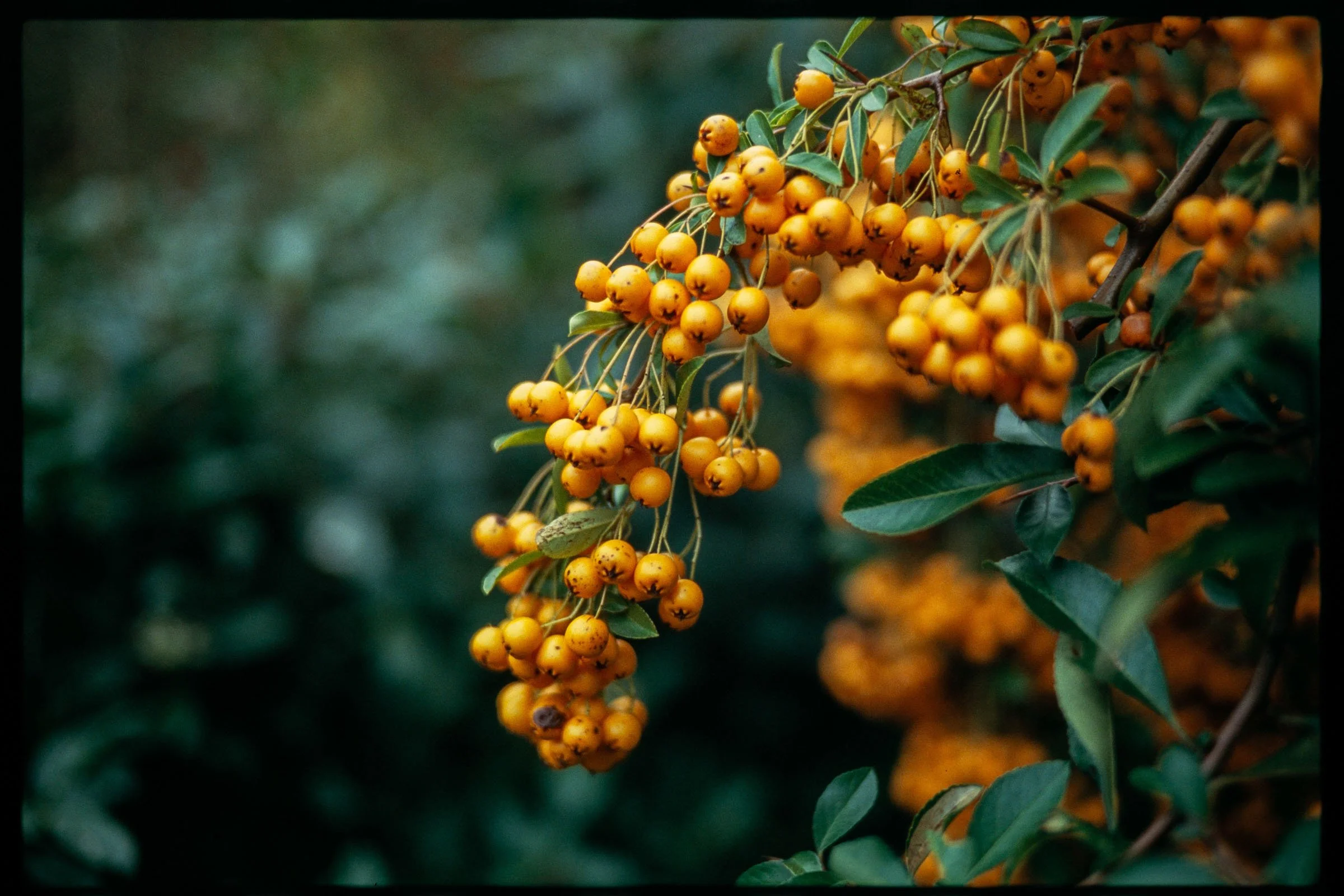
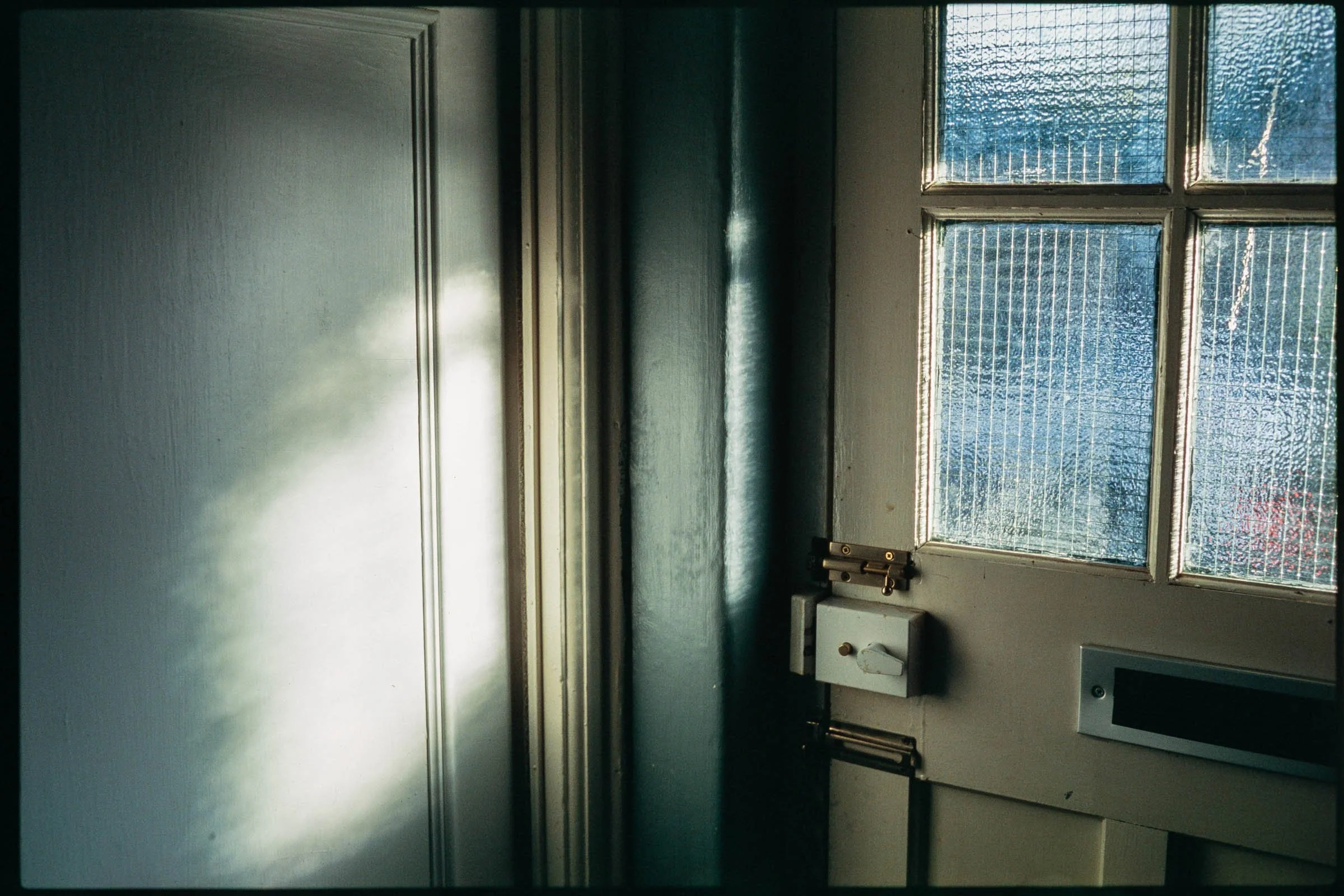
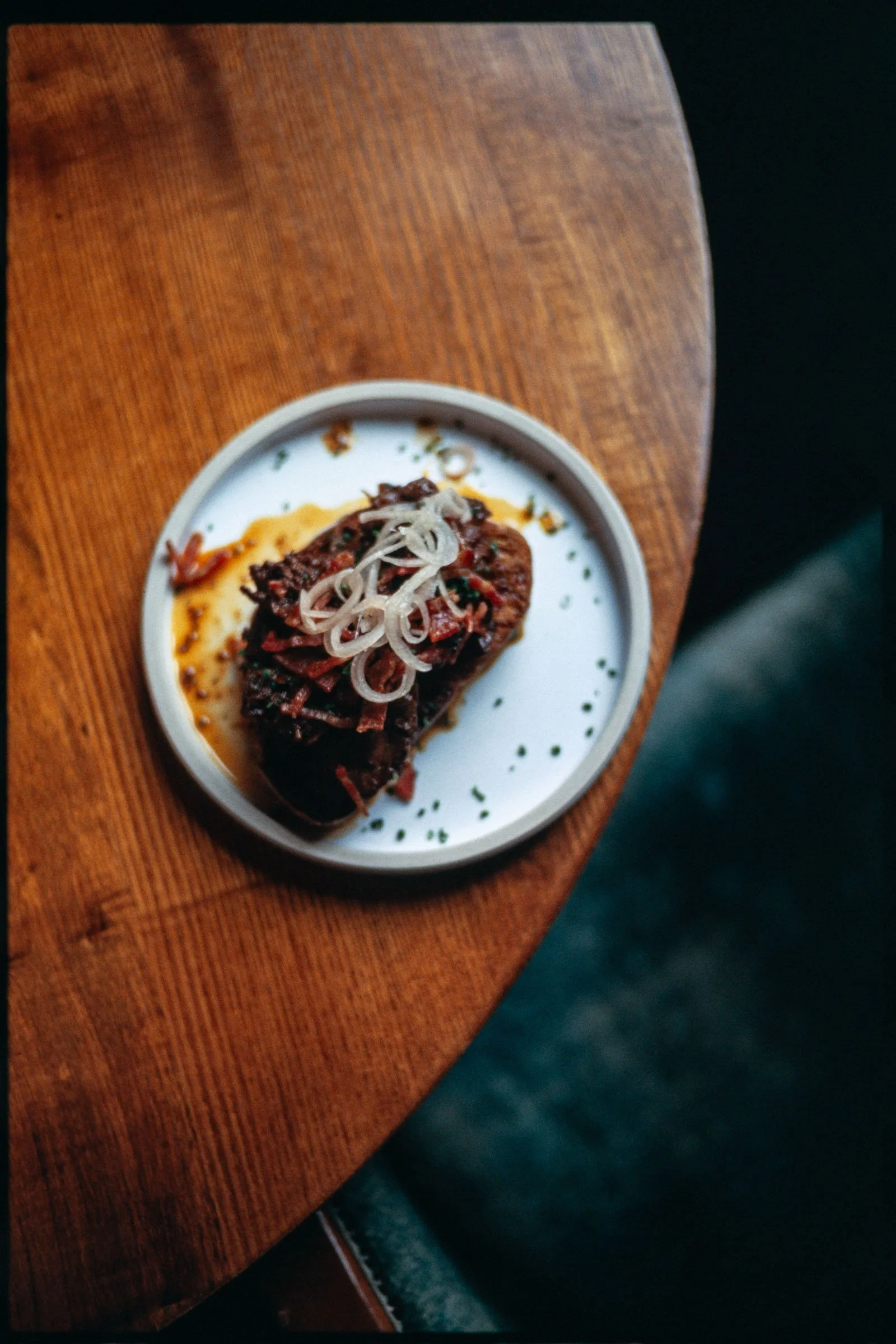

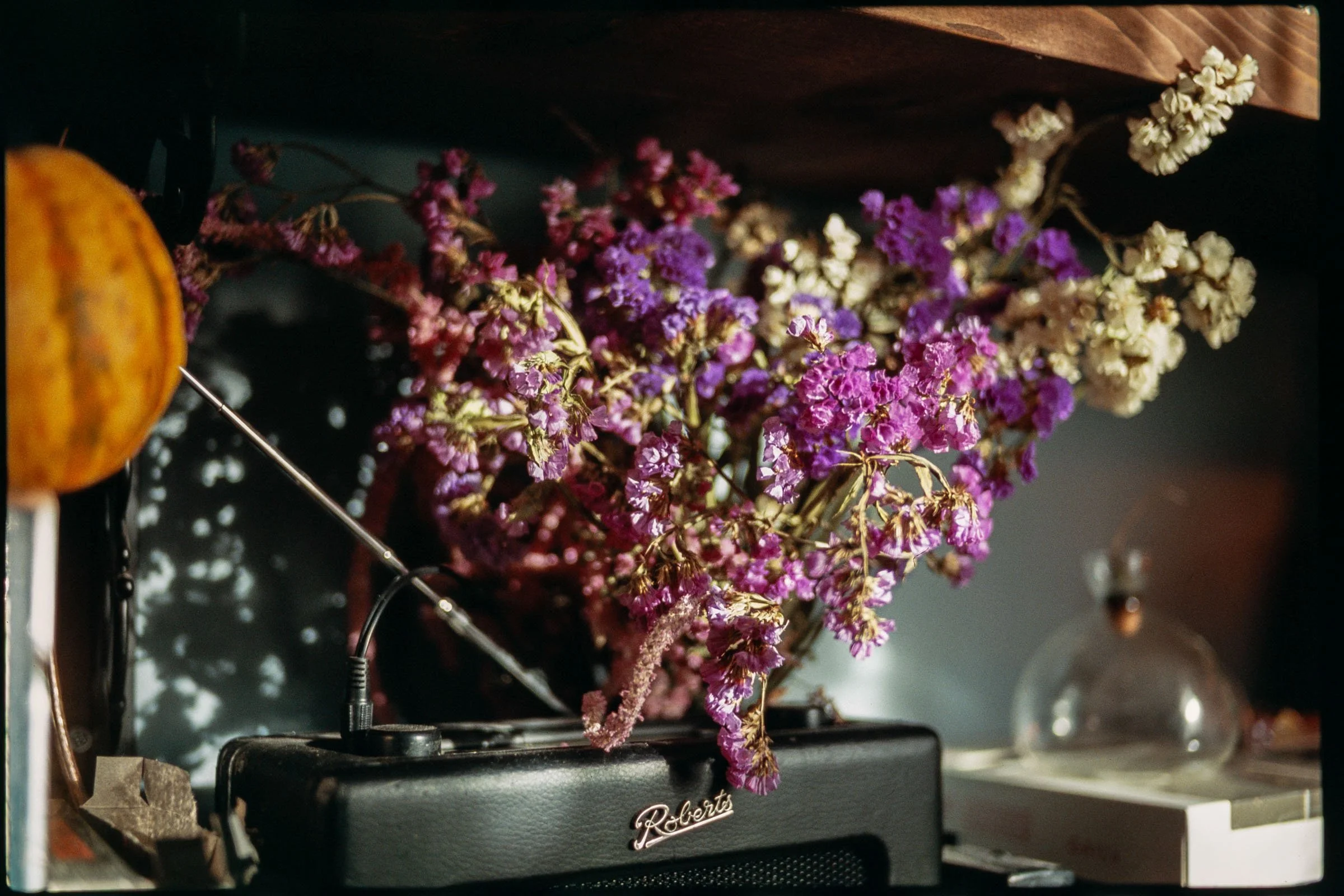
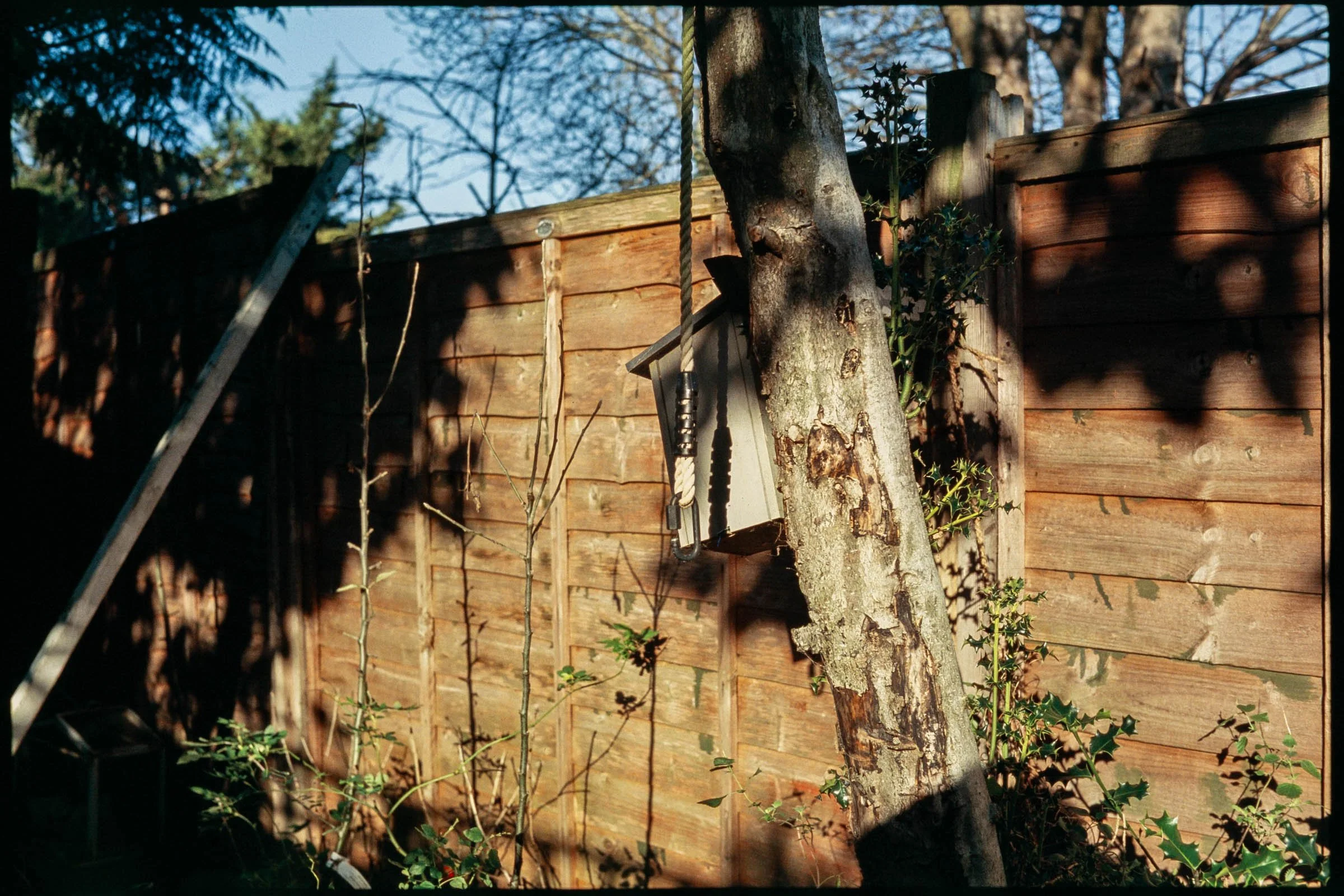
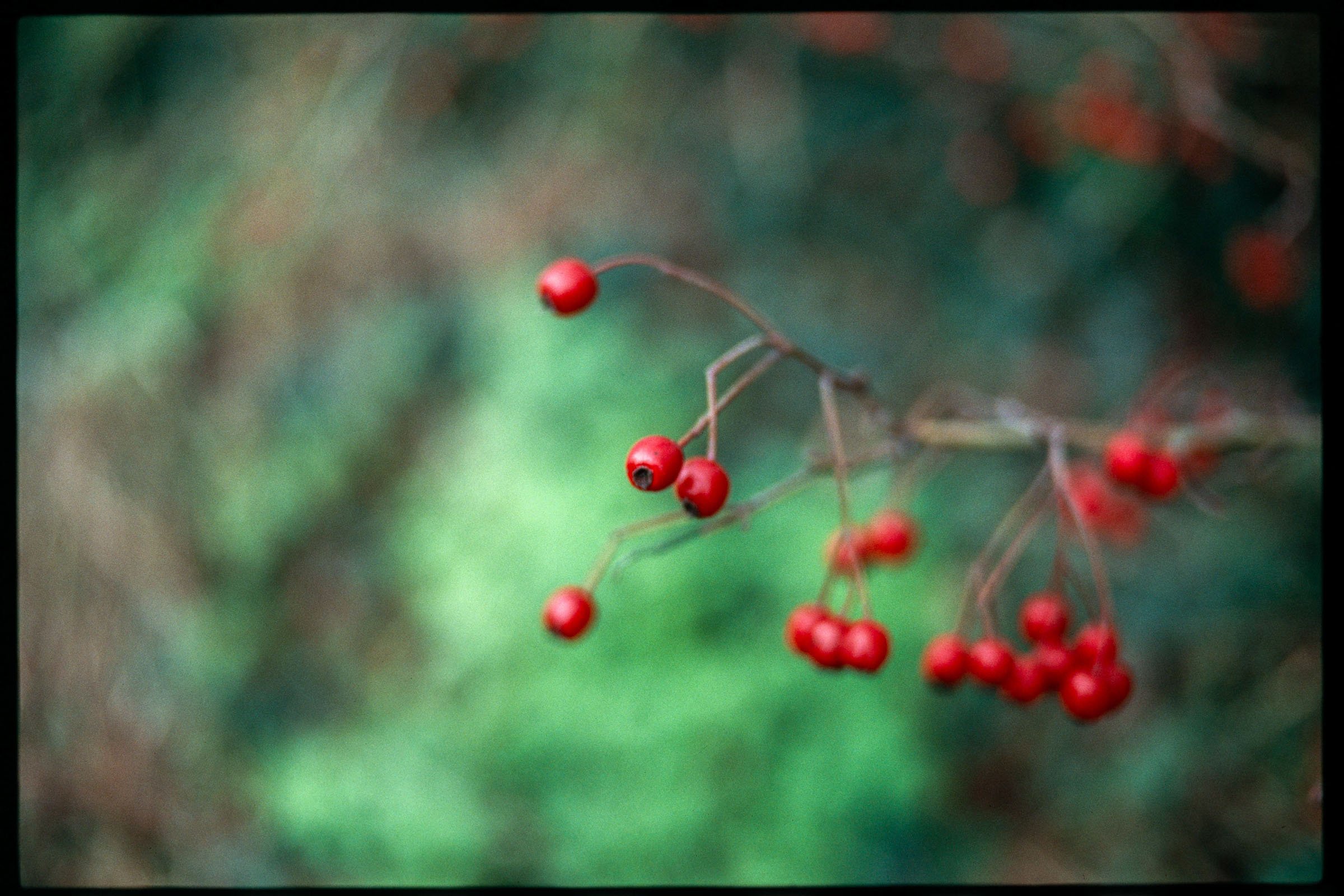
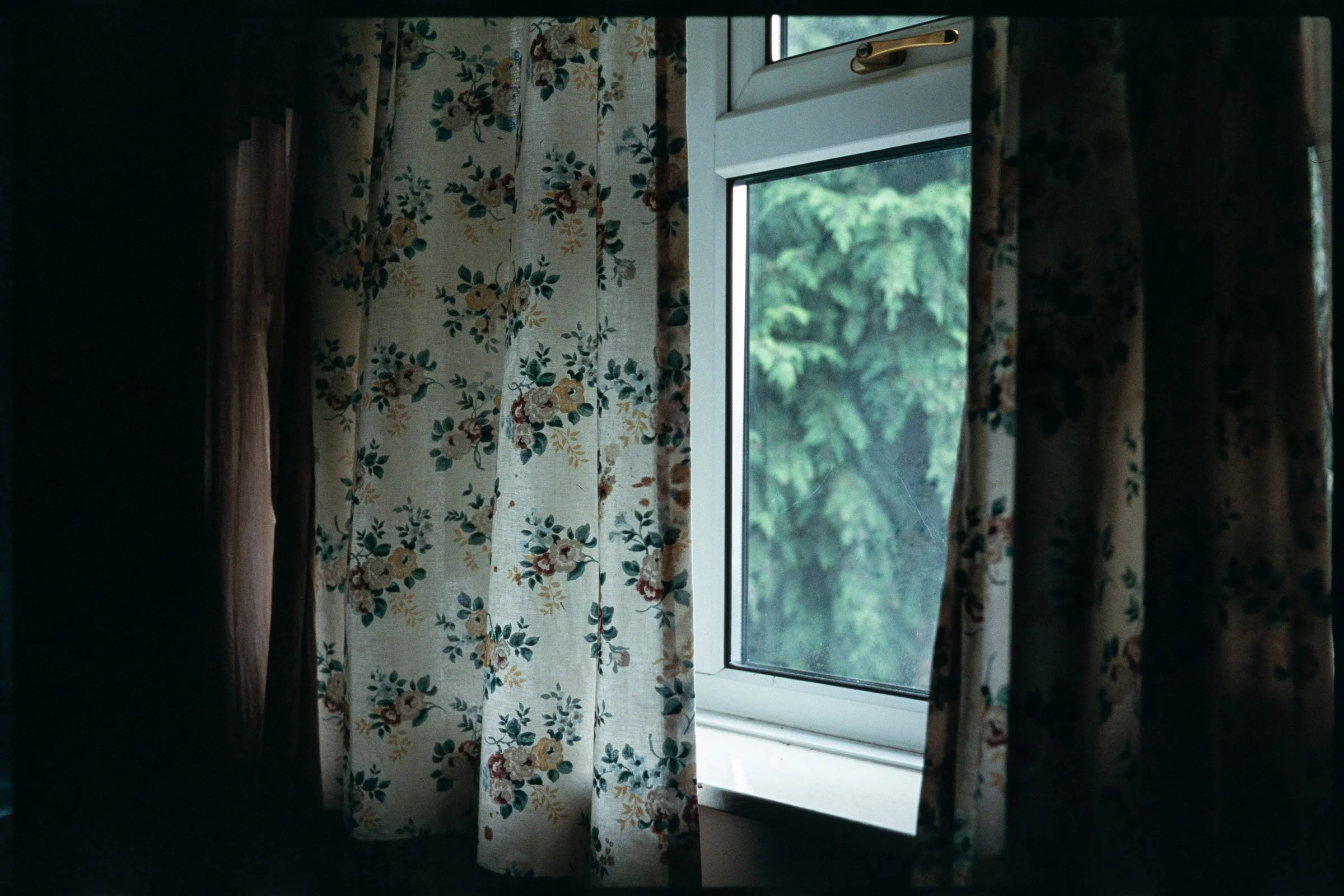
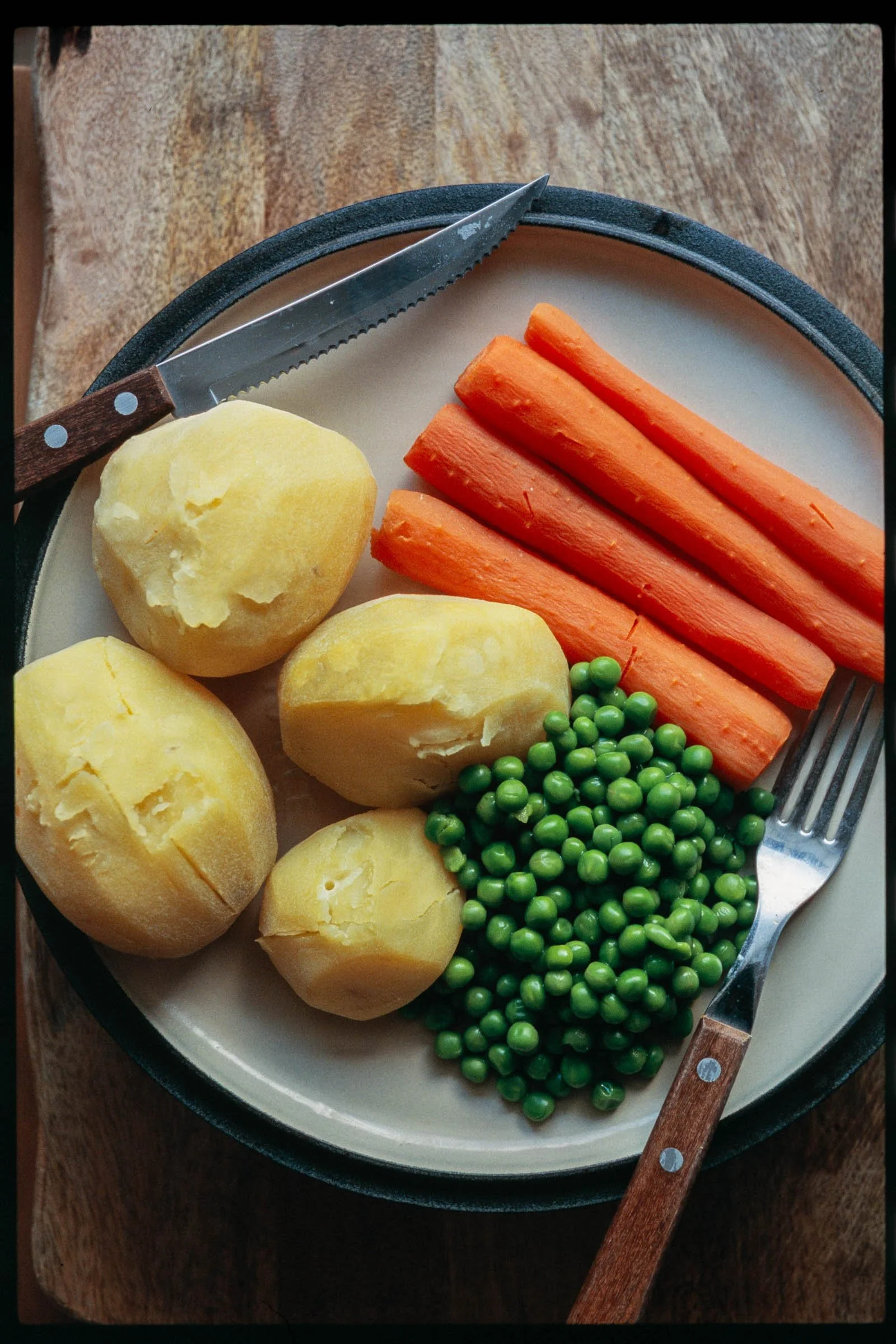
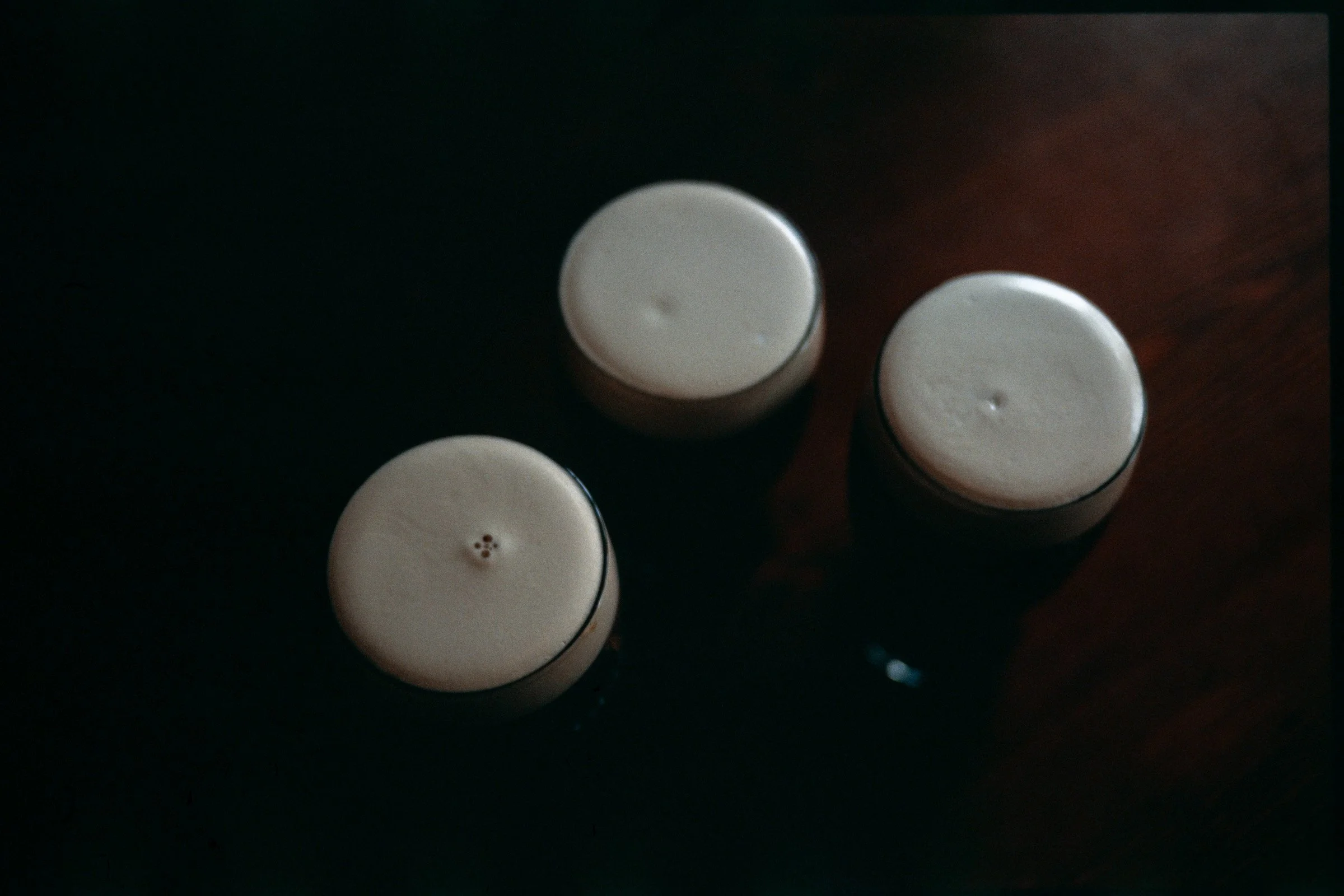
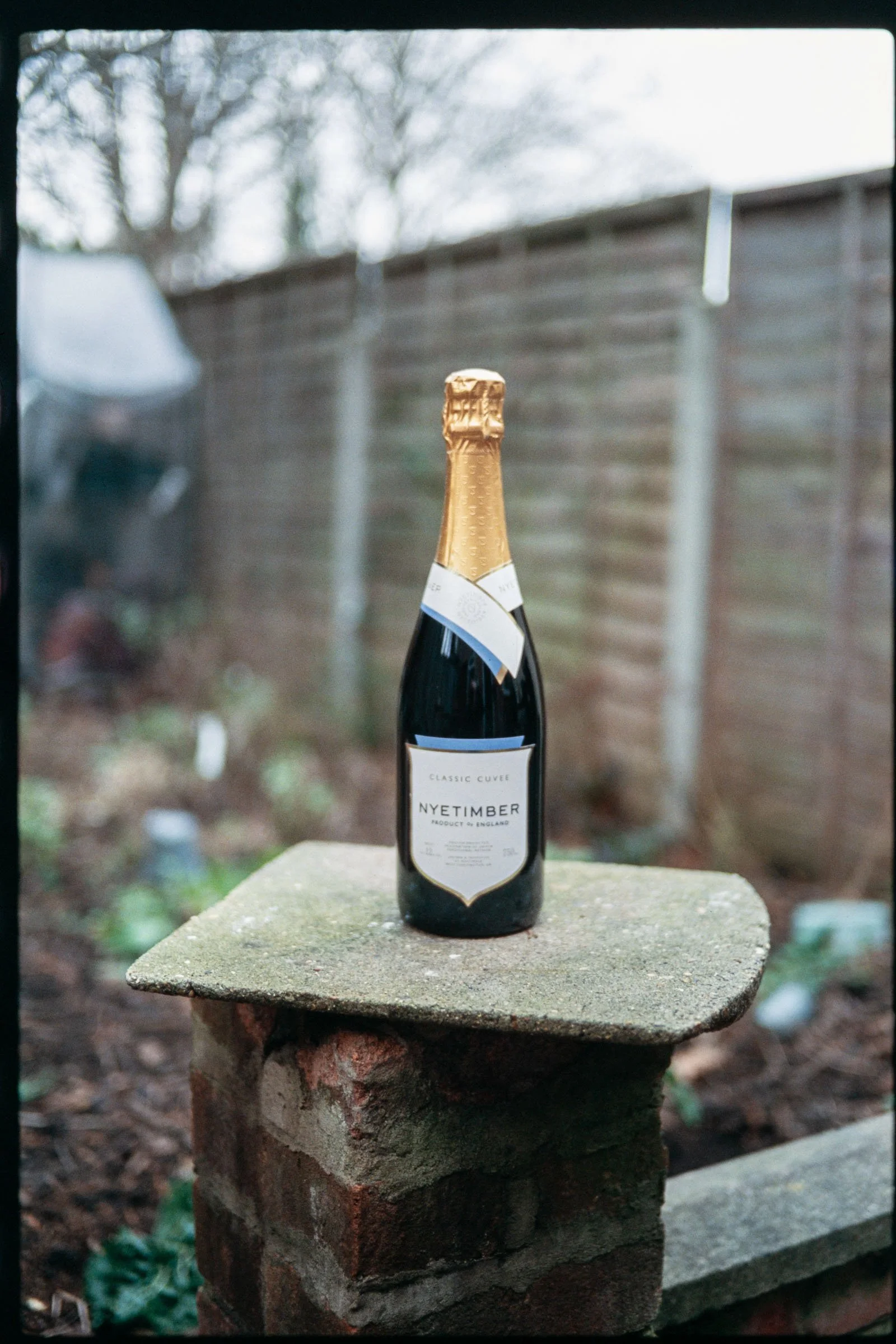
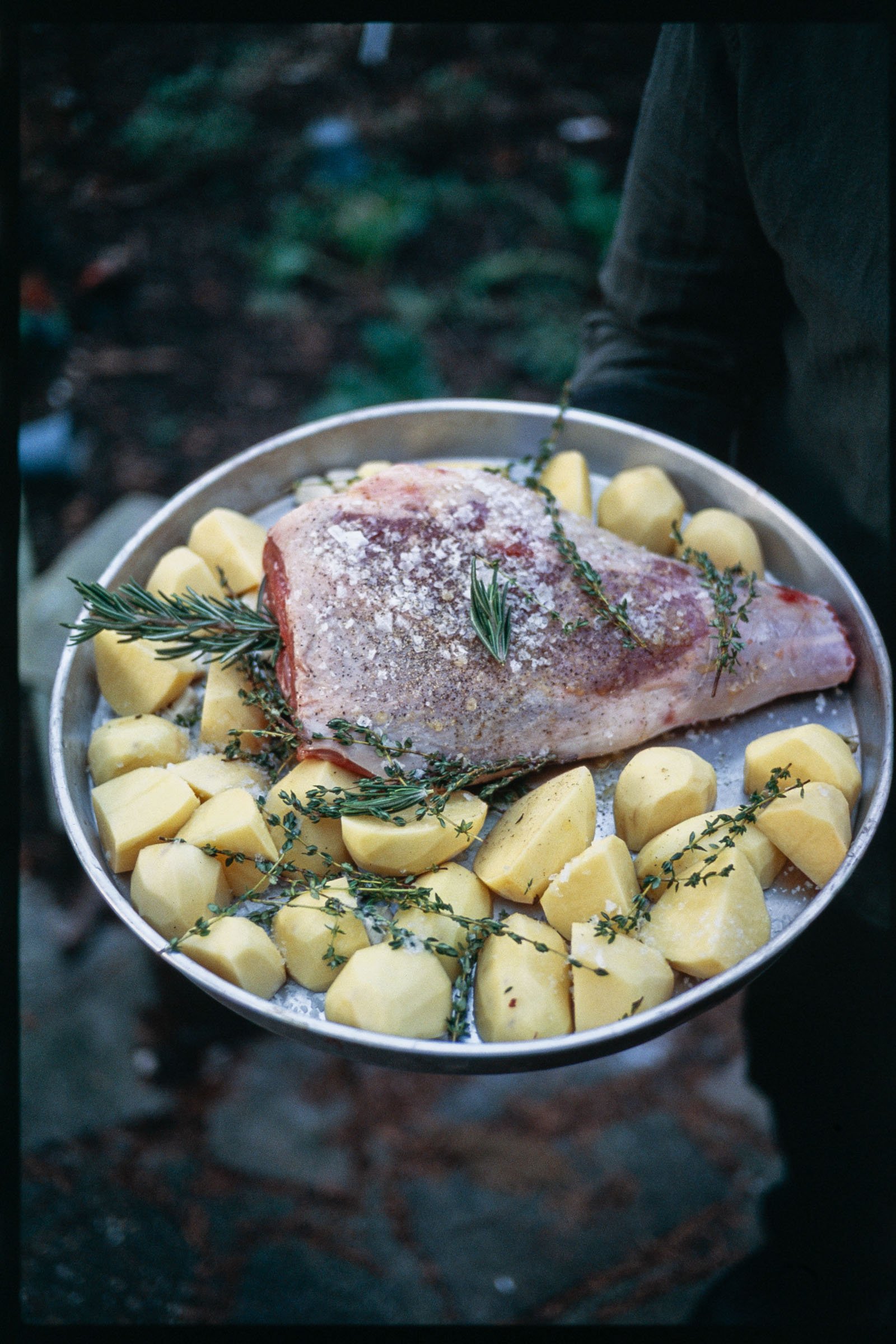
What makes these results even crazier is that my roll expired way back in 2007. Slide film is notoriously unforgiving as it ages, with wild colour shifts and unusable results. I had experience with 10 year old frozen slide films, that held up like new, but I thought 20 years was pushing it. Turns out I was wrong, as cold storage helped keep this film alive even after two decades. To give you an example of how fast slide film falls apart when it’s not stored properly, take a look at the side-by-side example below:
Both films were expired for roughly 10 years. The one on the right was frozen, starting one year after its expiration. The one on the left was stored in unknown conditions.
Both of those films expired about ten years ago (from the time I took these images), but while the sheet on the right spent its life in my freezer, the other was left in unknown conditions.
In case you’re curious on how I ended up with the wildly expired film, I actually bought a box on eBay that only contained two sheets, purely because I needed an extra empty box to ship film to labs. The seller was upfront that it hadn't been cold stored, but since I had it, I figured I’d shoot it alongside my frozen stock just to check on its condition.
You can clearly see how severe the shift is, which proves how well this 20-year-old Astia was stored. I can’t remember when I first got hold of it, but it must have been around 2015-2017.
On a quick side note before we move on, one of my absolute favourite landscape photographs is one called Momentum by photographer Rodney Lough Jr., captured in Hawaii on an 8x10 sheet of Astia 100F. In the above link you can read about the image and find some technical details as well. You can see a higher res here.
SENSIA 100
(Discontinued 2010) - Data Sheet & Data Sheet II
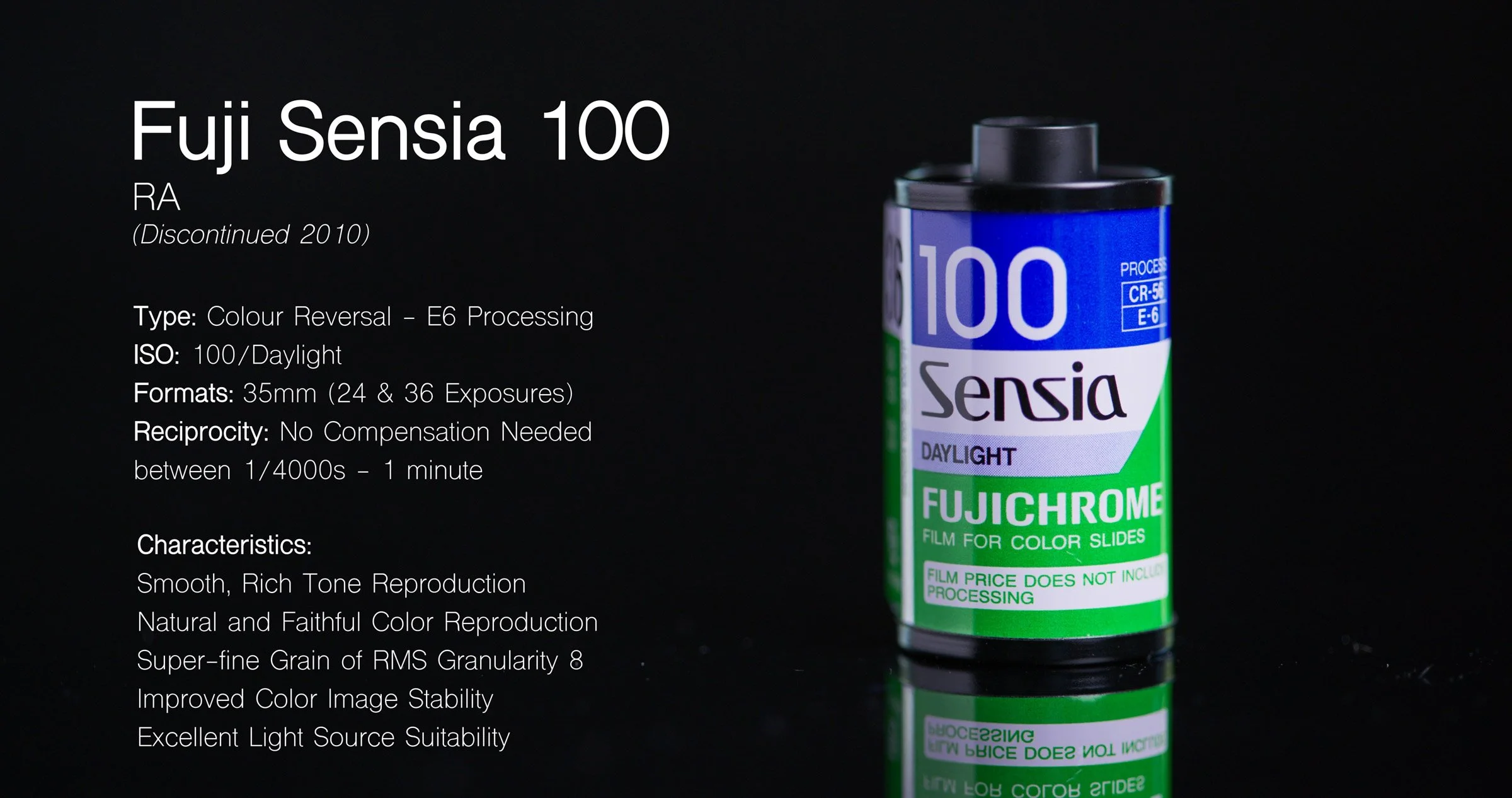
Next up is Sensia 100. First released in the 90s, the Sensia lineup was targeting the everyday consumer market. Unlike the pro-oriented films, Sensia was marketed as an accessible, everyday reversal film with an admirable colour technology.
Reading through the old Fuji data sheet, they made some big promises for a consumer emulsion. They highlighted its "natural and faithful colour reproduction" along with "unsurpassed colour temperature tolerance." More specifically, they claimed Sensia produced almost no bluish colour cast in shaded areas and minimised shifts under inconsistent light sources—a massive feature for a non professional emulsion.
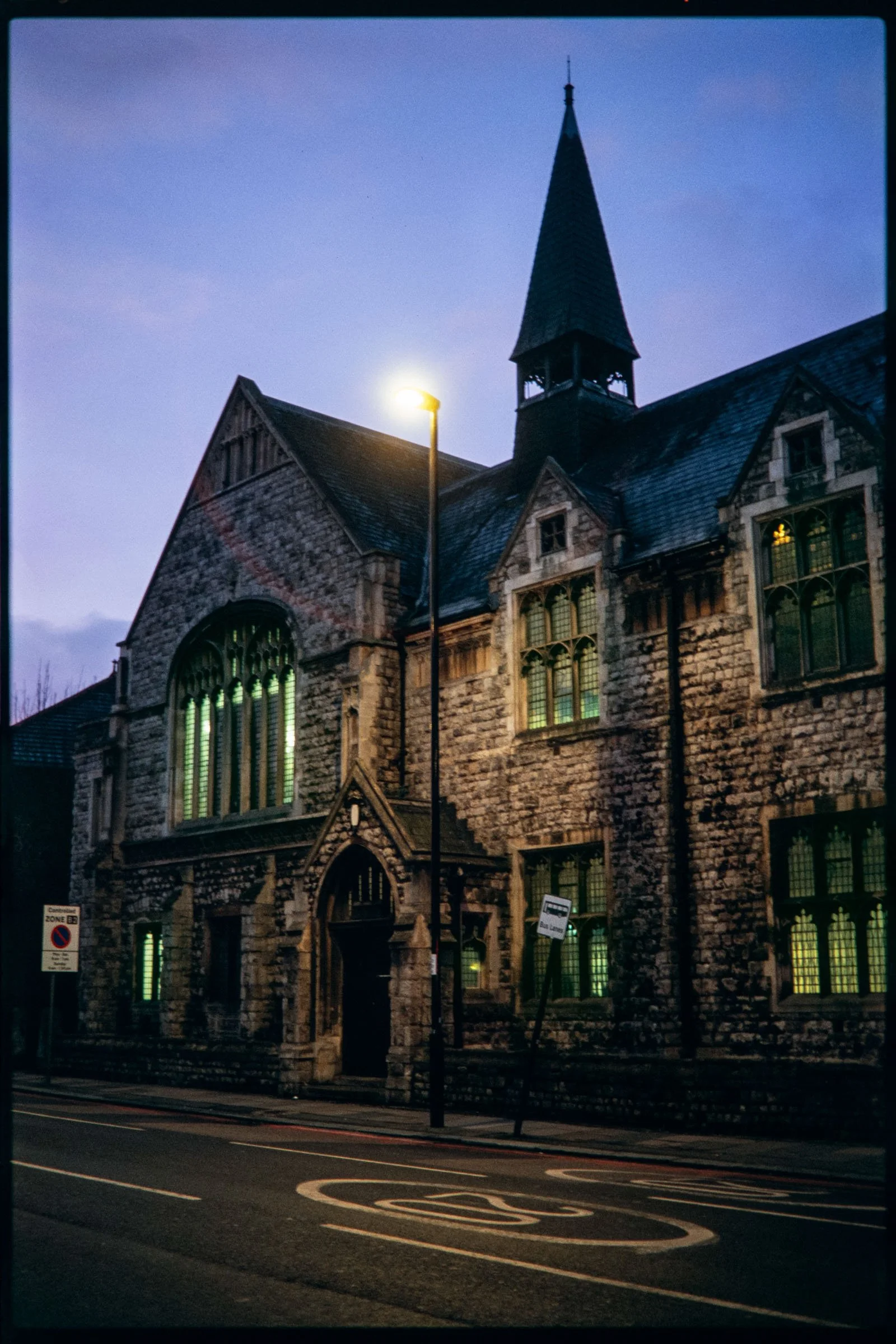
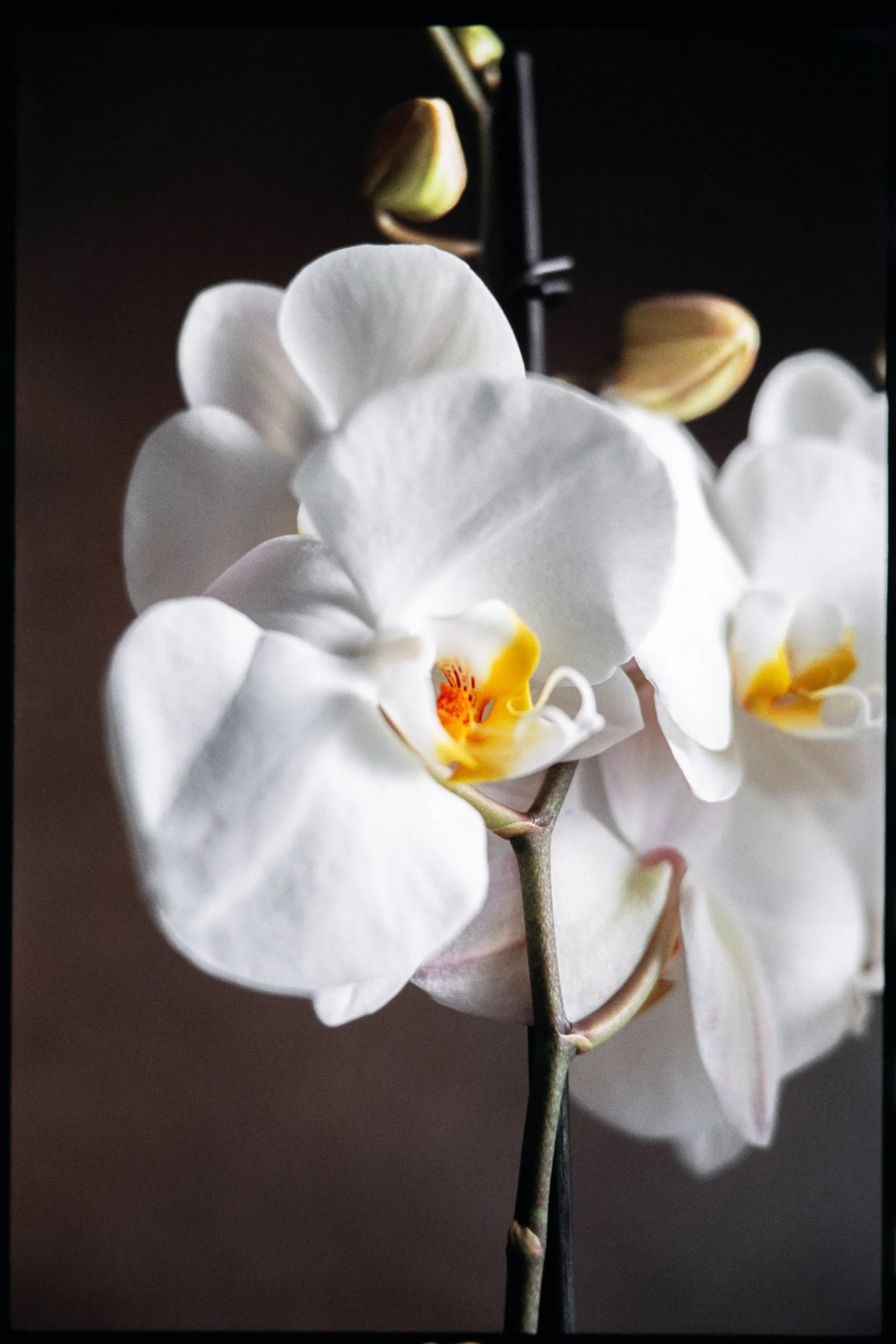
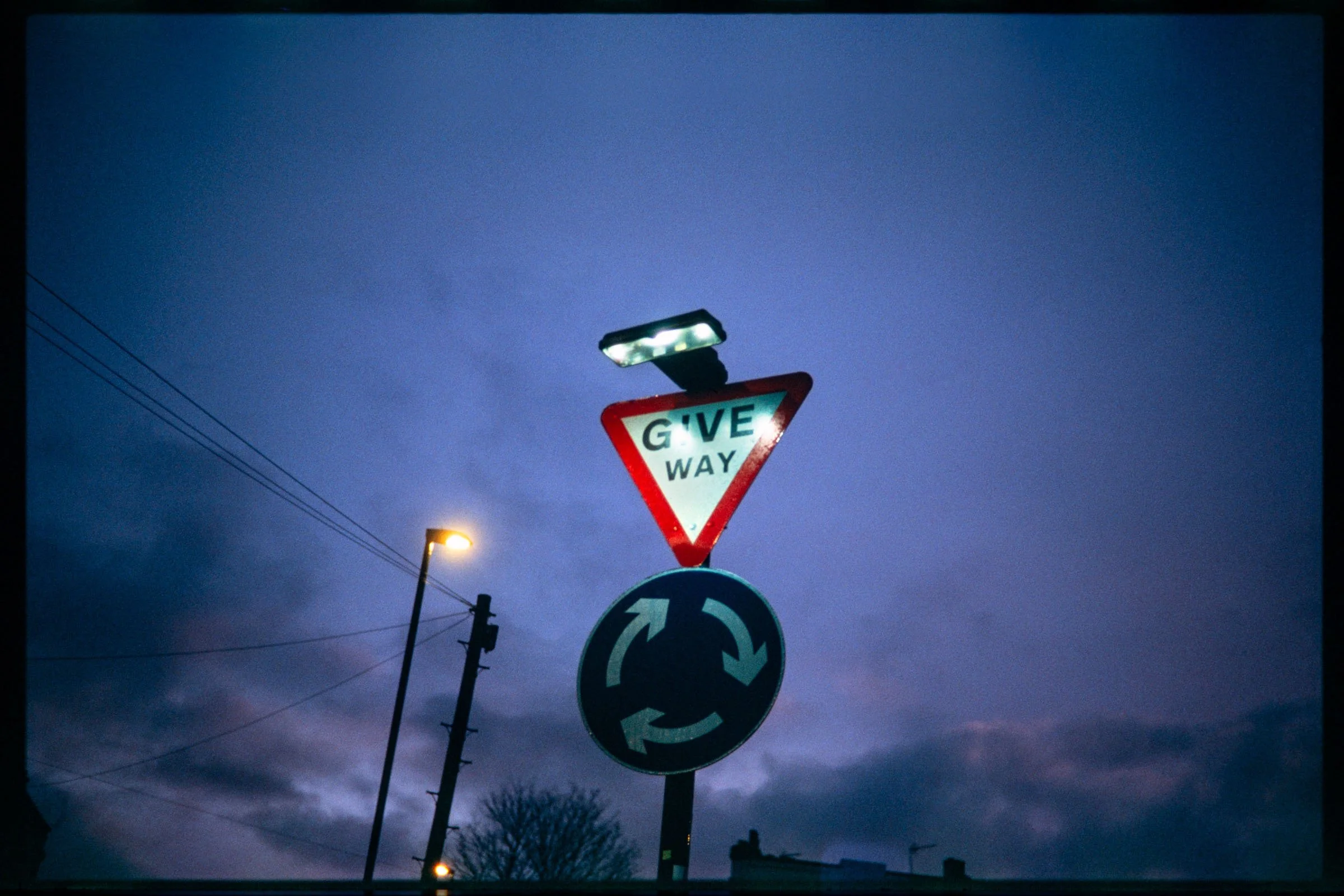
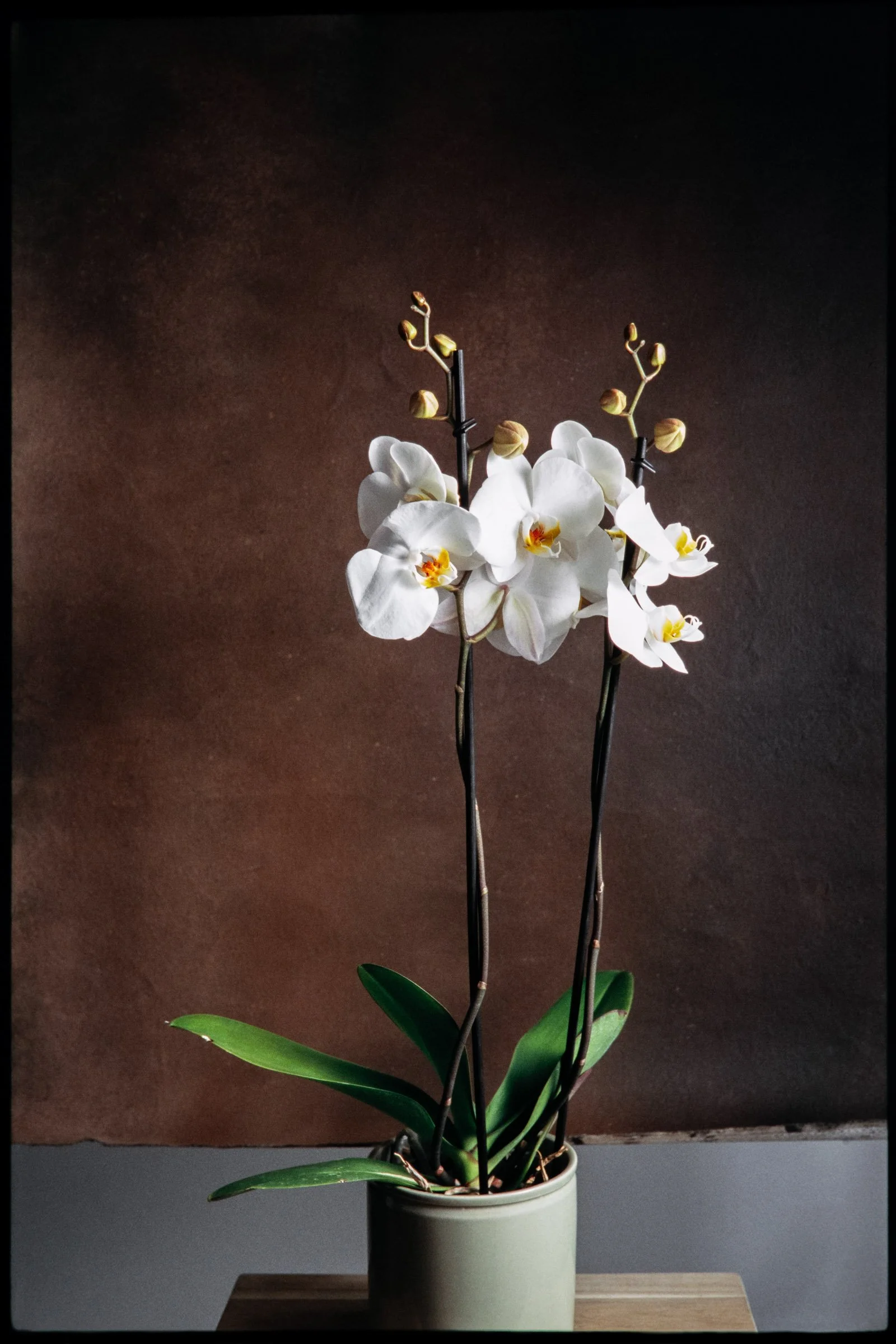
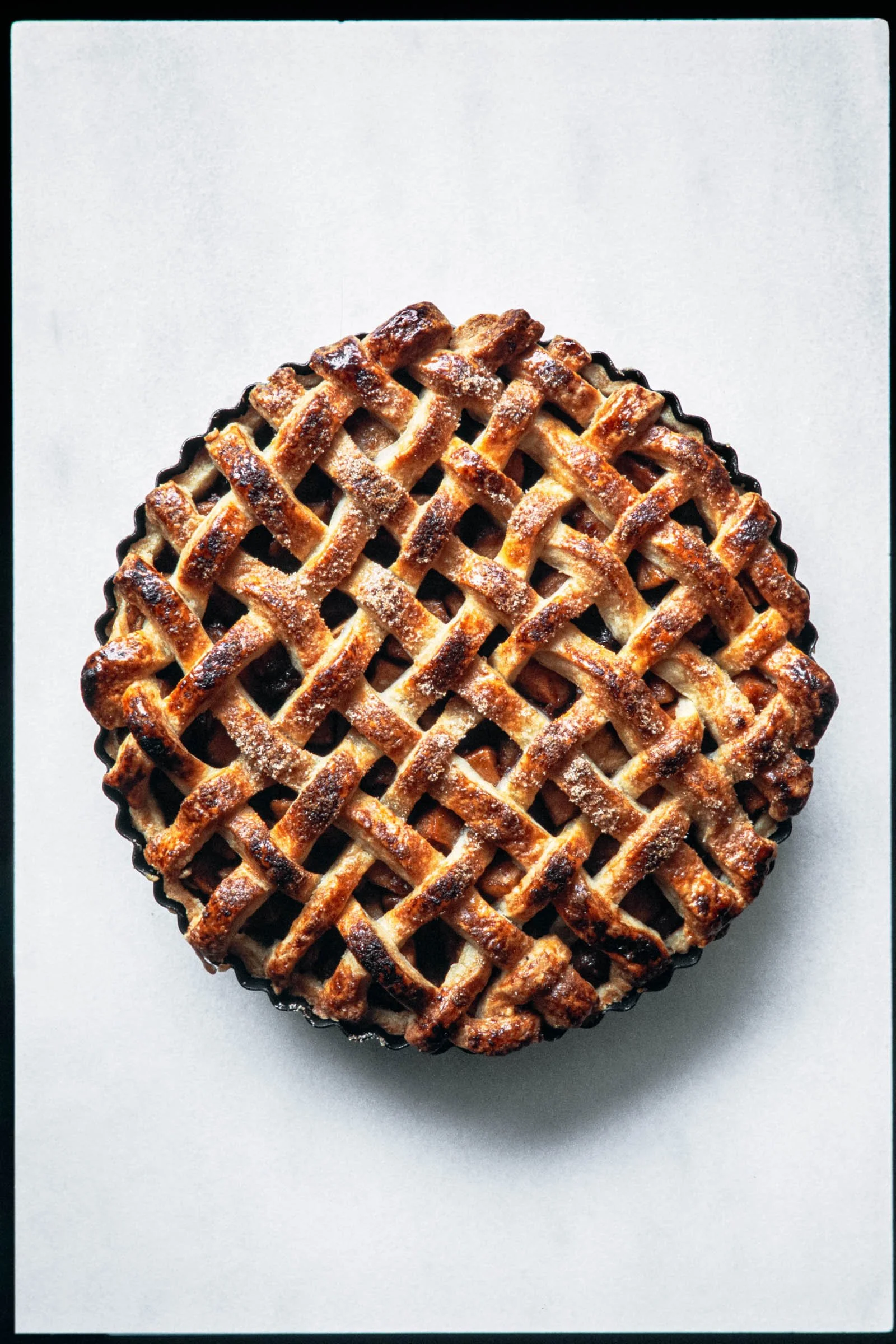
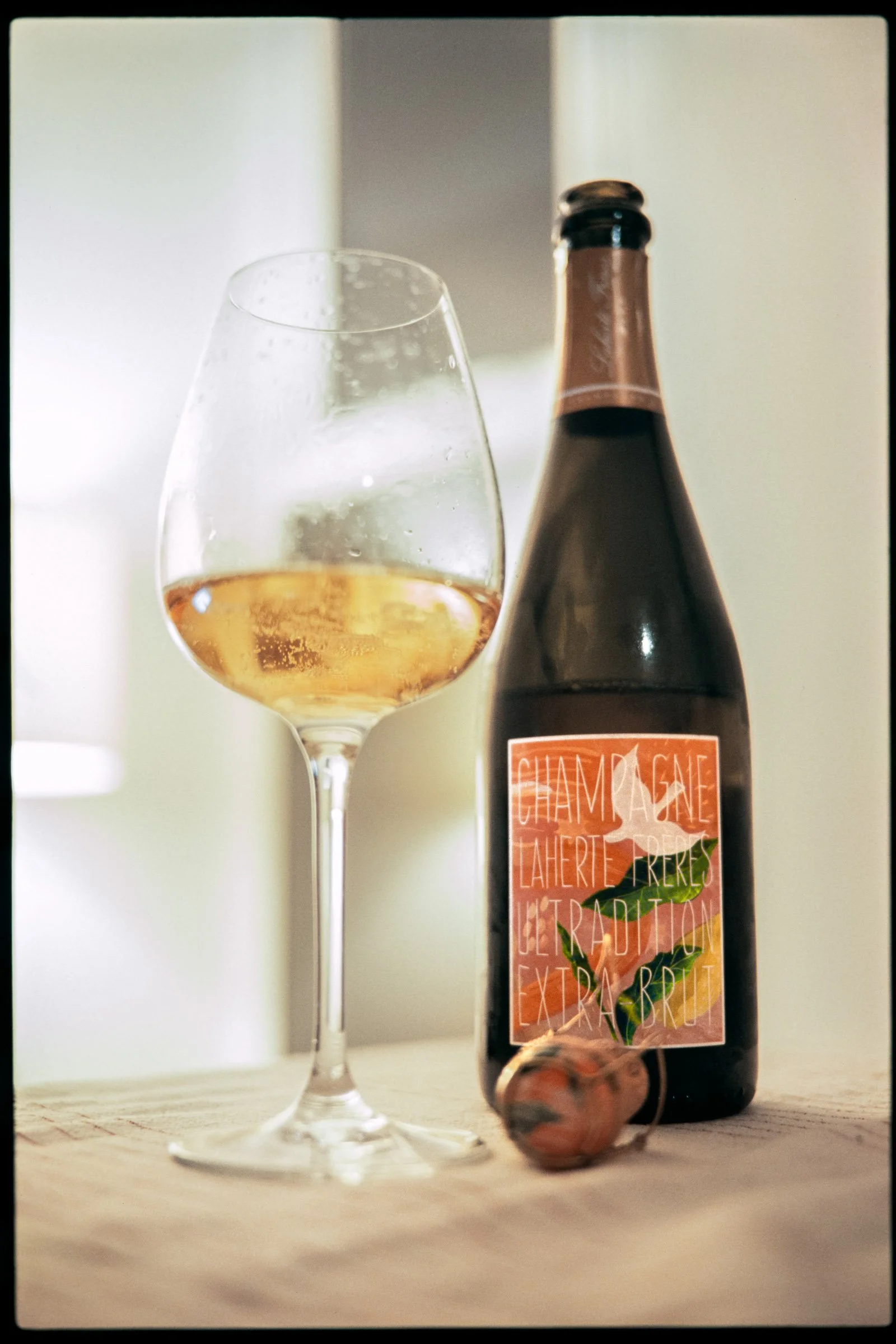
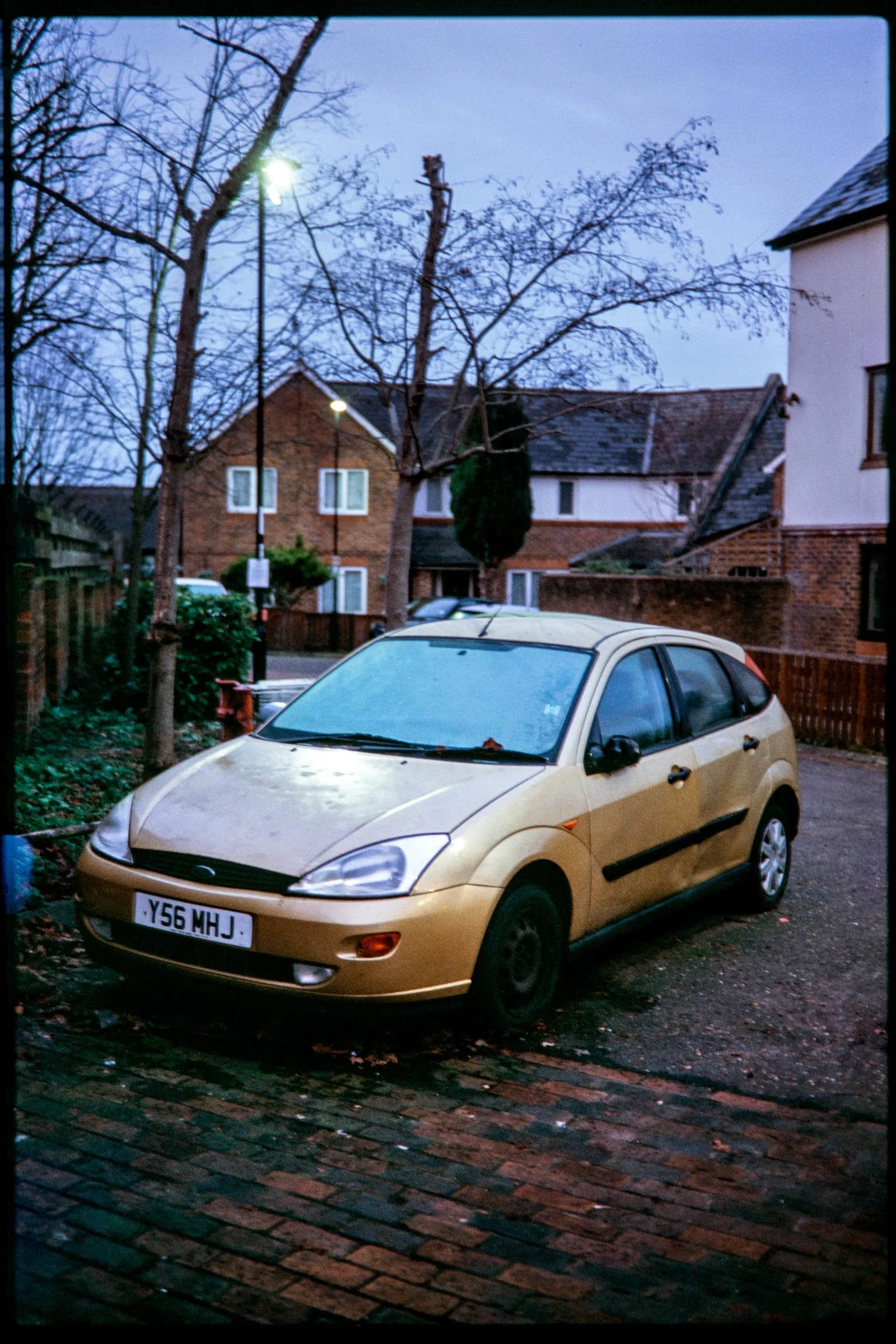

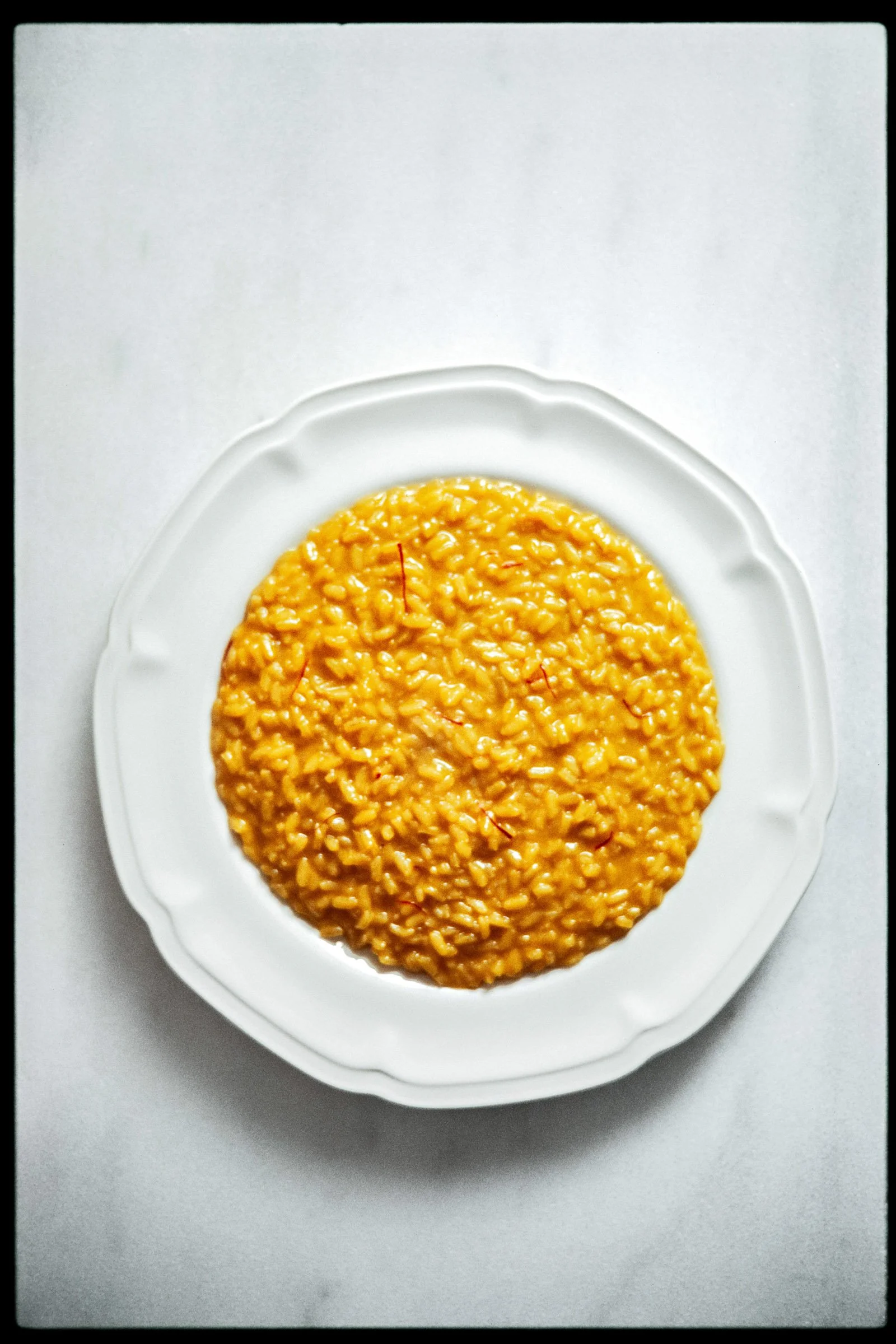
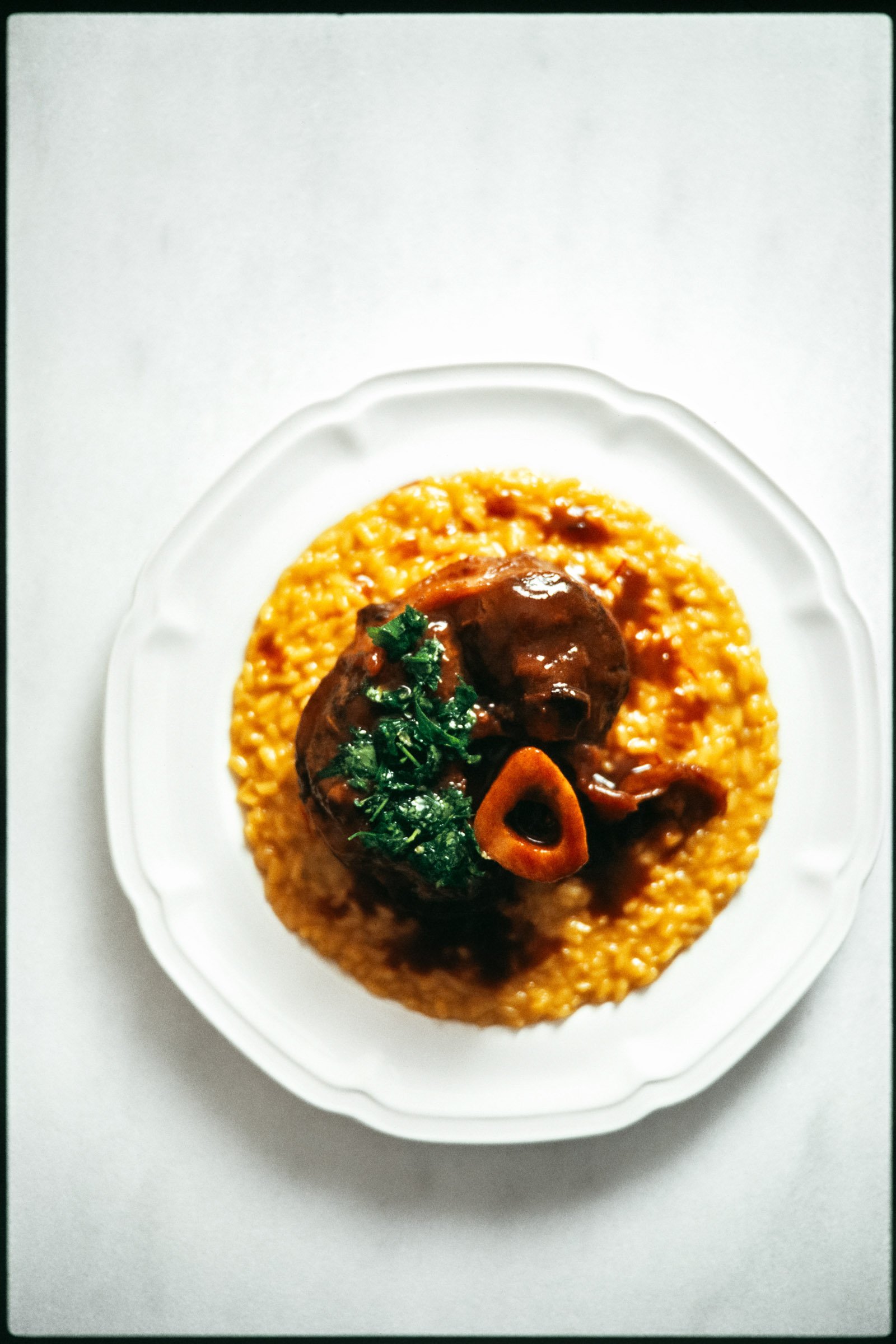
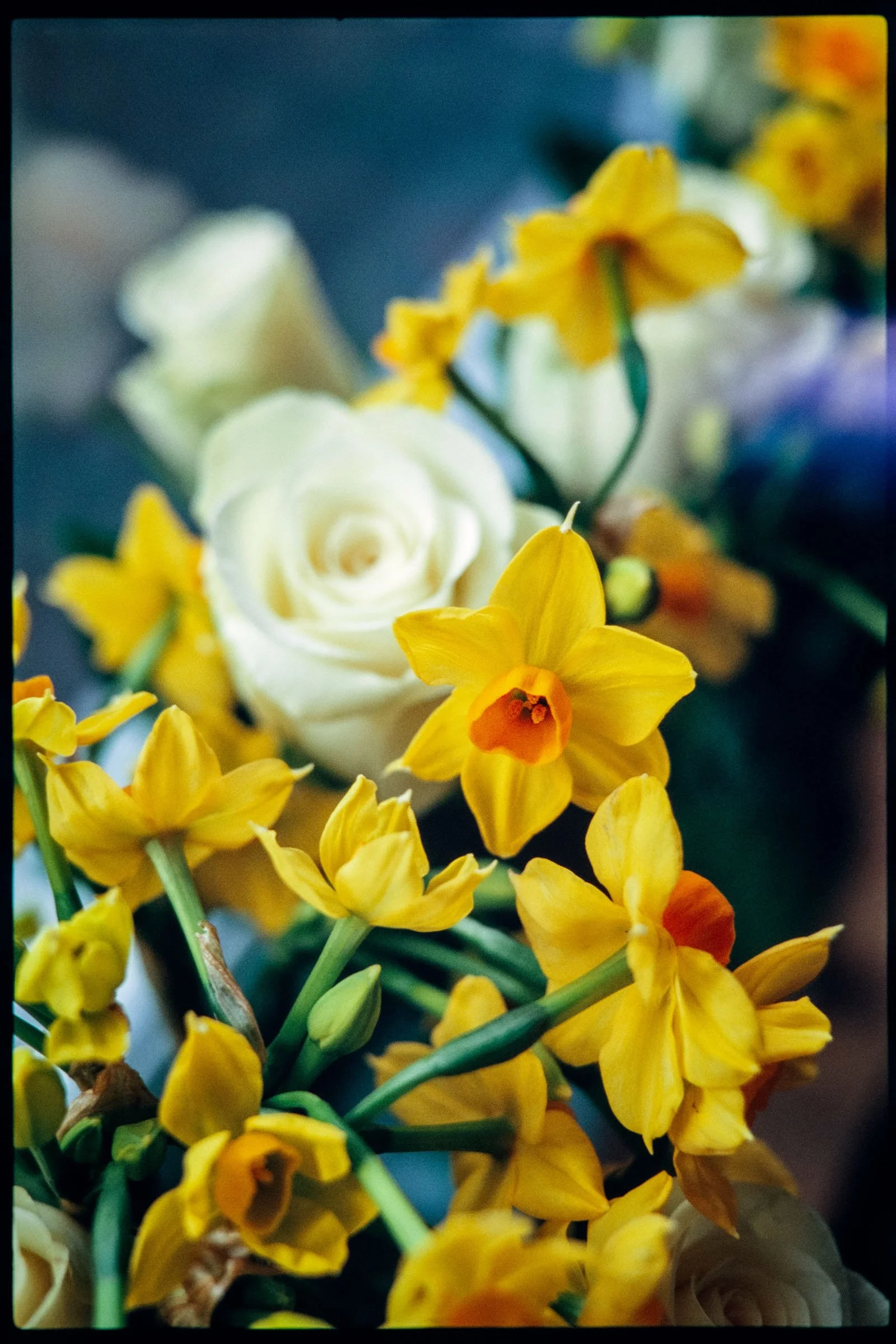

My roll expired back in 2008, and given its focus on accessibility rather than performance, along with it being two decades old, I went in with pretty low expectations. But once again the results were jaw dropping.
The film came back beautifully balanced with a fine grain structure and zero colour shifts. It confirms once again that if slide film is stored properly in a freezer, its shelf life extends far beyond what most people assume. If Sensia was considered the entry-level option of Fuji's lineup, it speaks volumes about how high their standards were back then.
PROVIA 400X
(Discontinued 2013) - Data Sheet
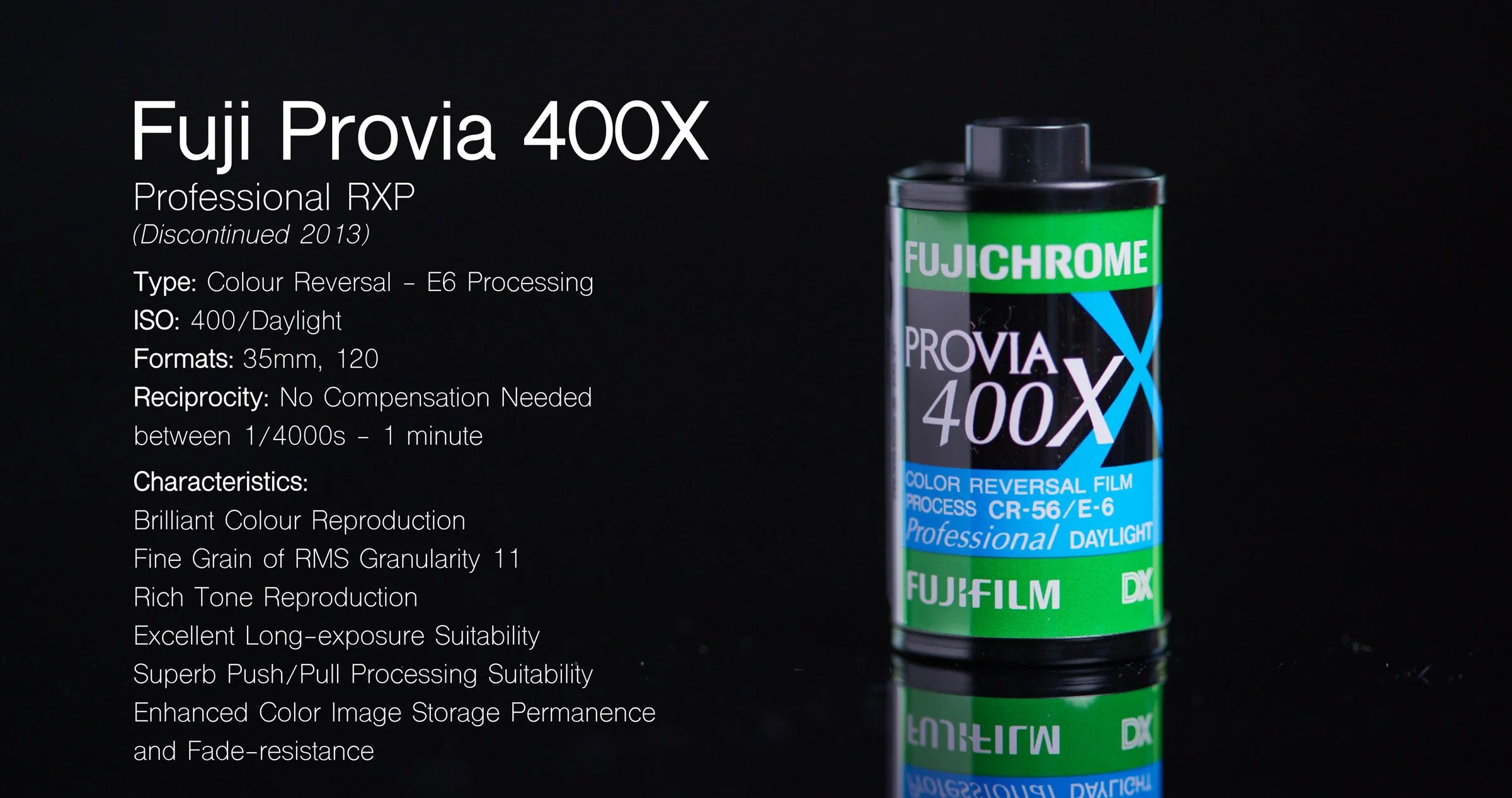
The last of the positive films is Provia 400X. Having one of the coolest box and canister designs, 400X is easily one of the most desired films that has been discontinued, and for good reason. It was the last high-speed colour positive film available before Fuji pulled the plug in 2013. They claimed it delivered fine grain on par with 100-speed emulsions and offered incredible push potential up to ISO 1600. Given that this was my last remaining roll, I wasn’t interested in verifying these claims—but I'll take Fuji's word for it!
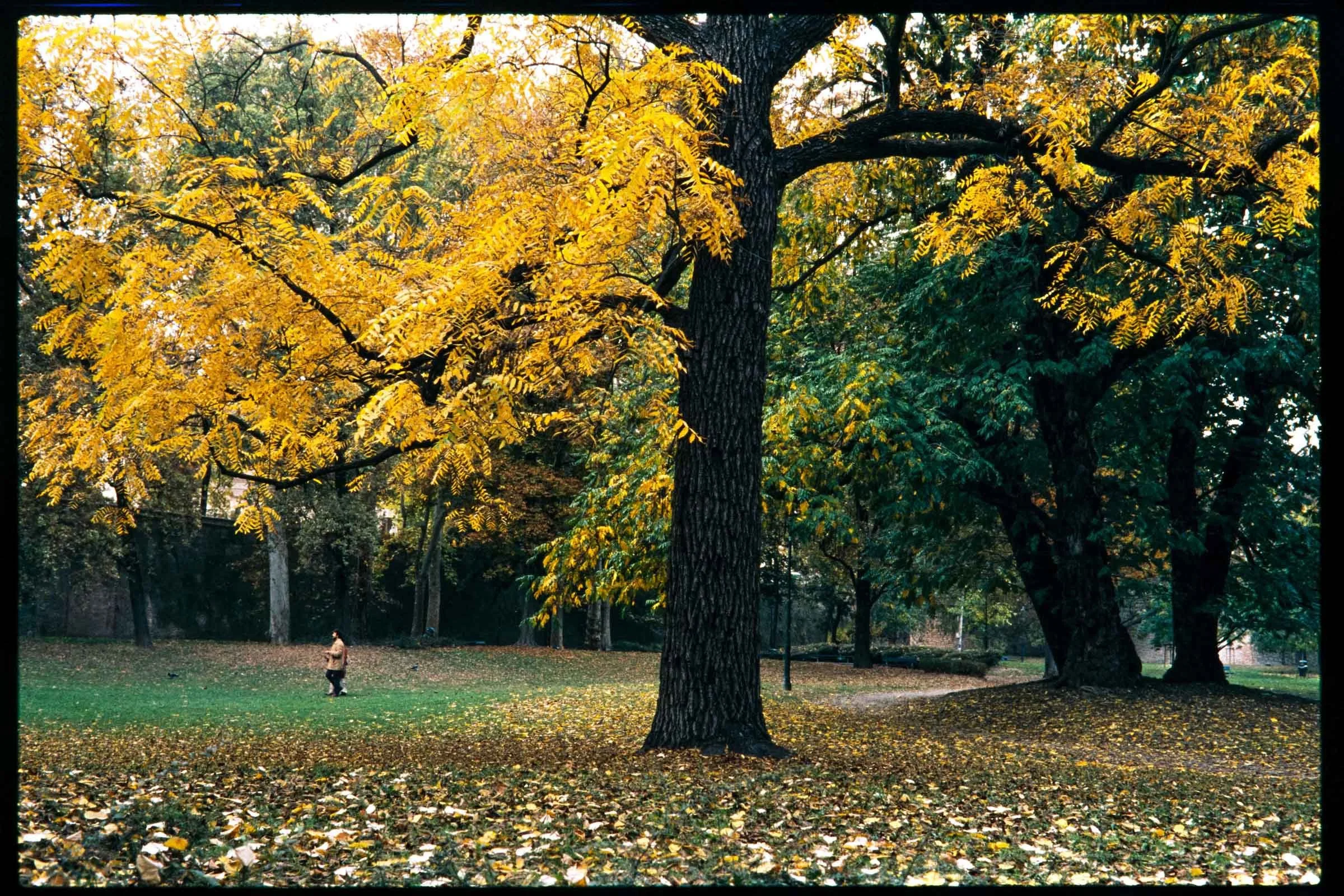
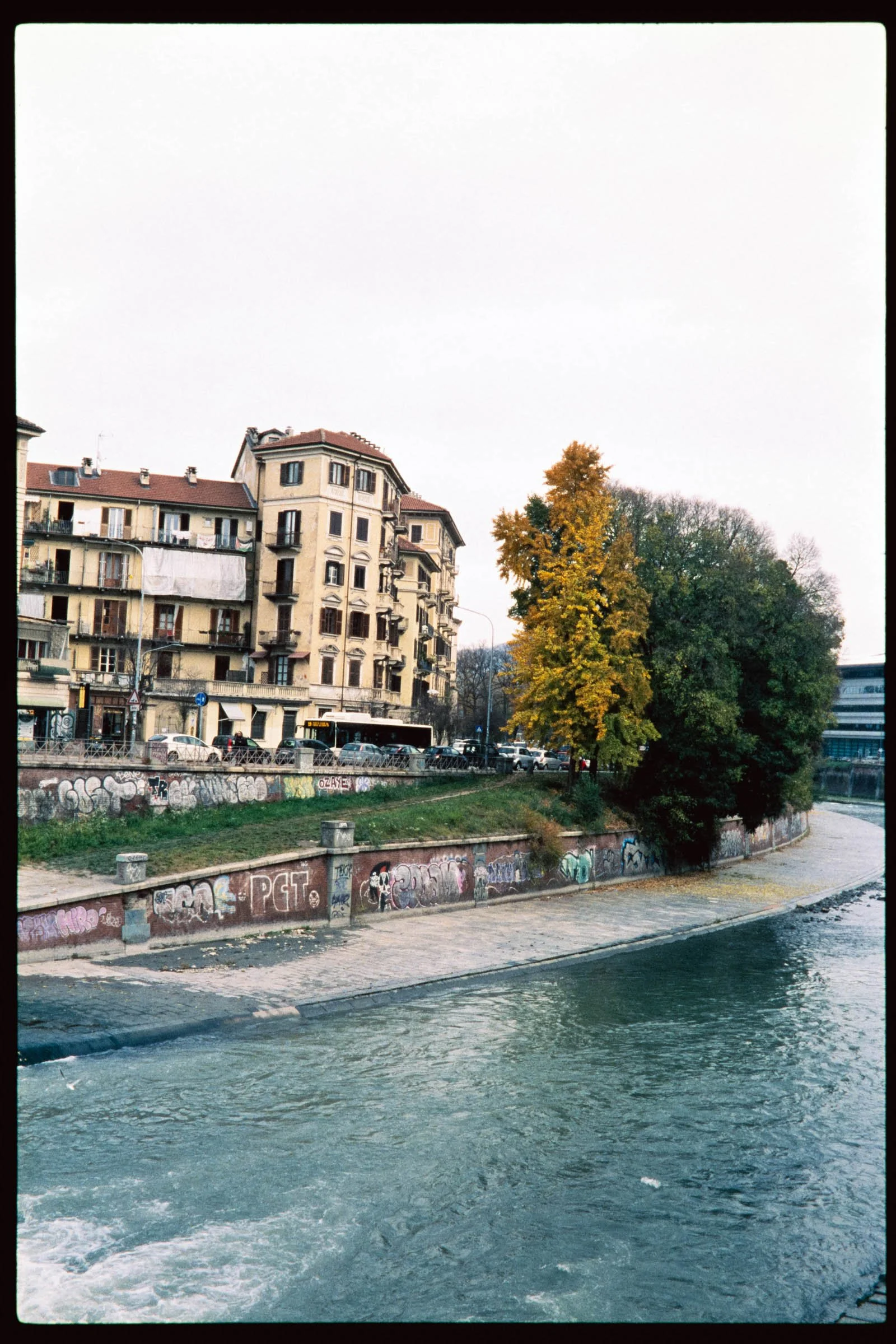
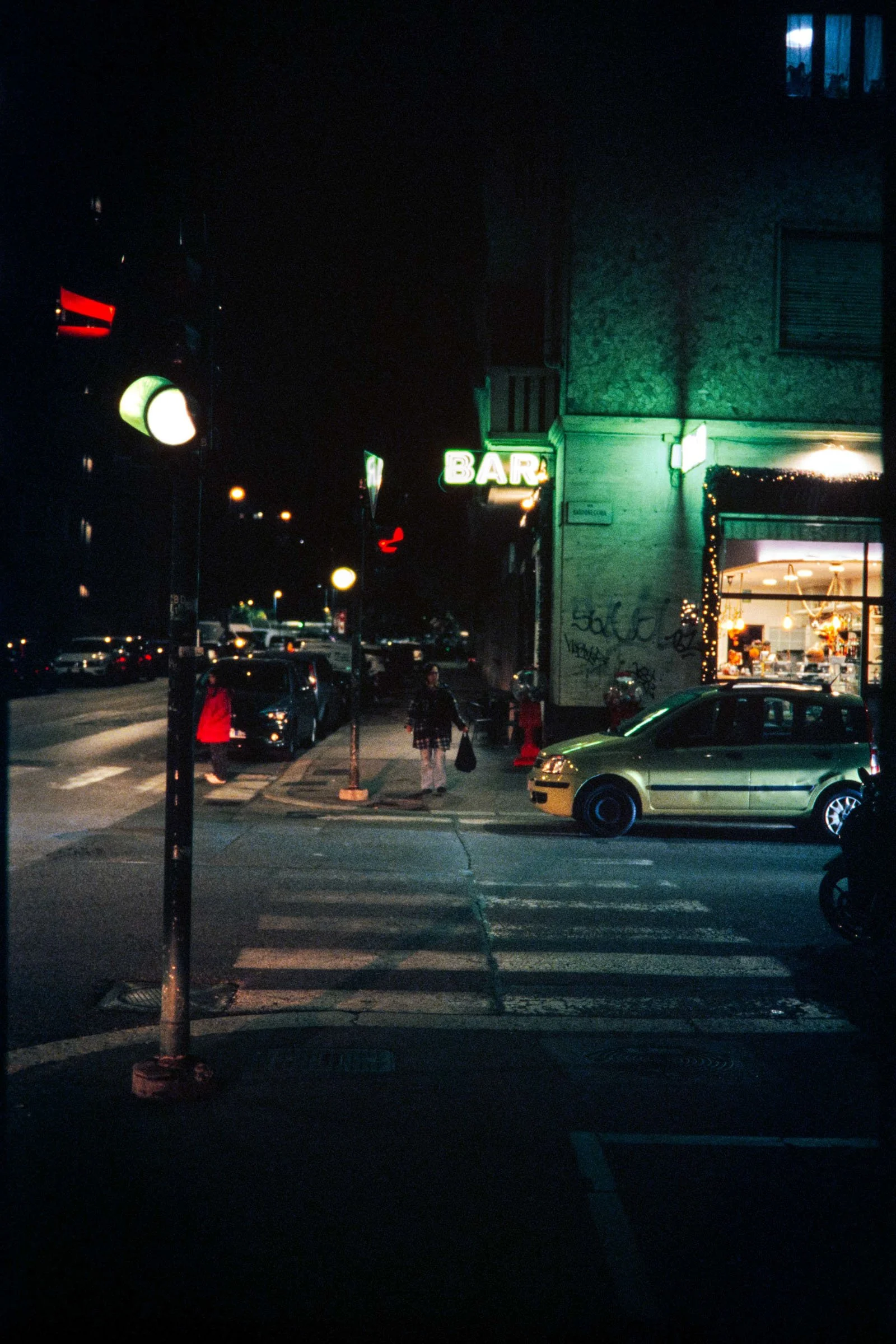
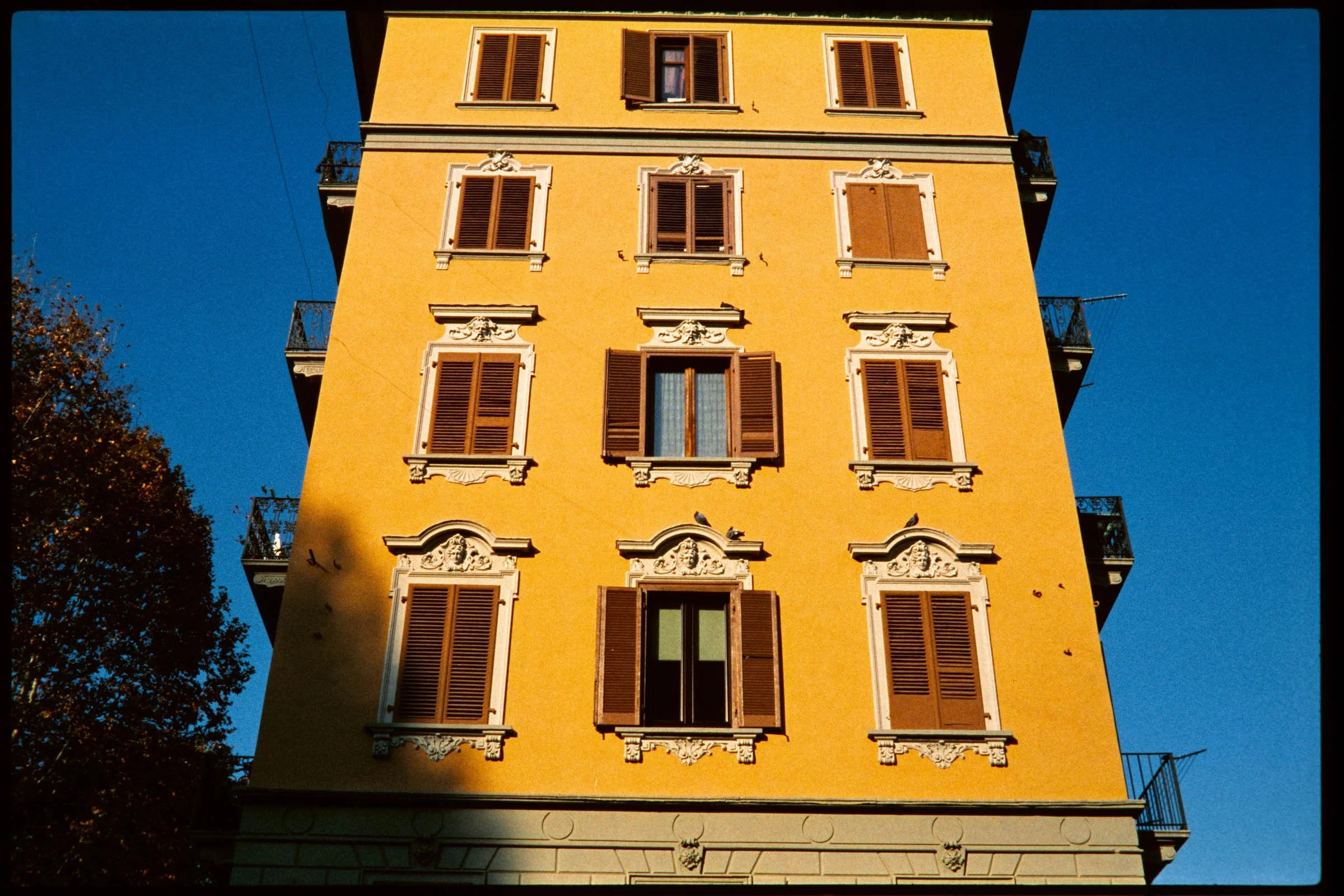
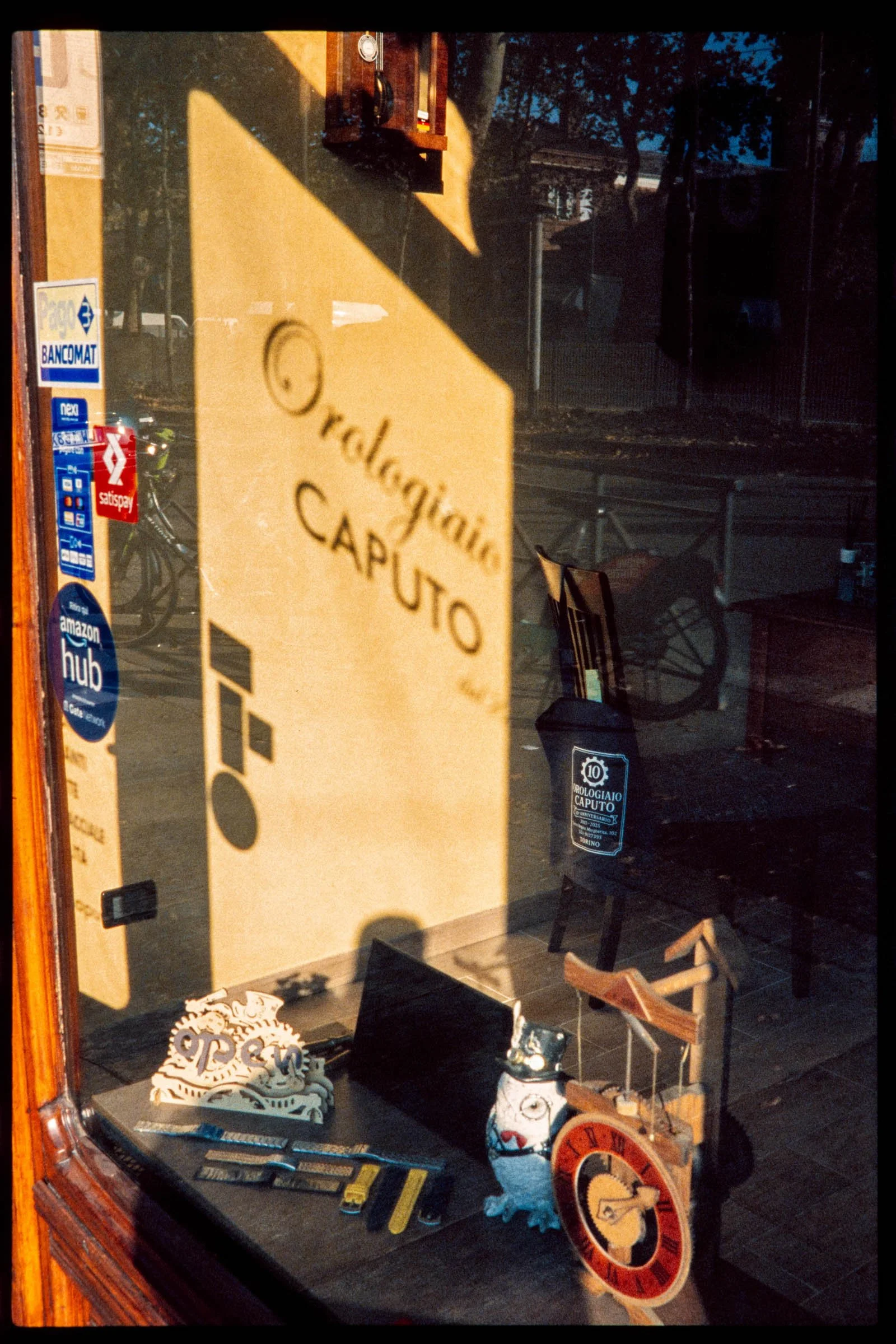
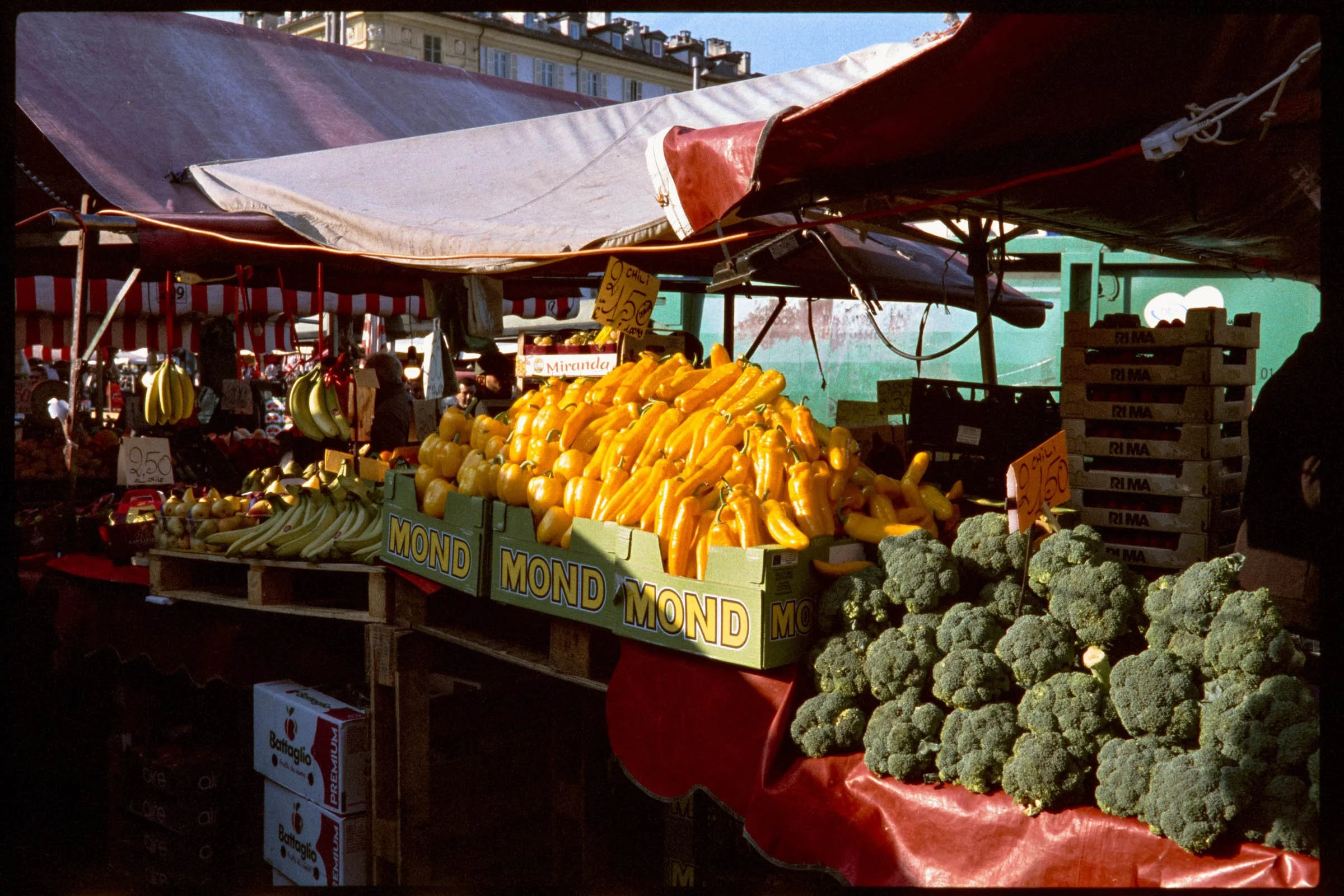
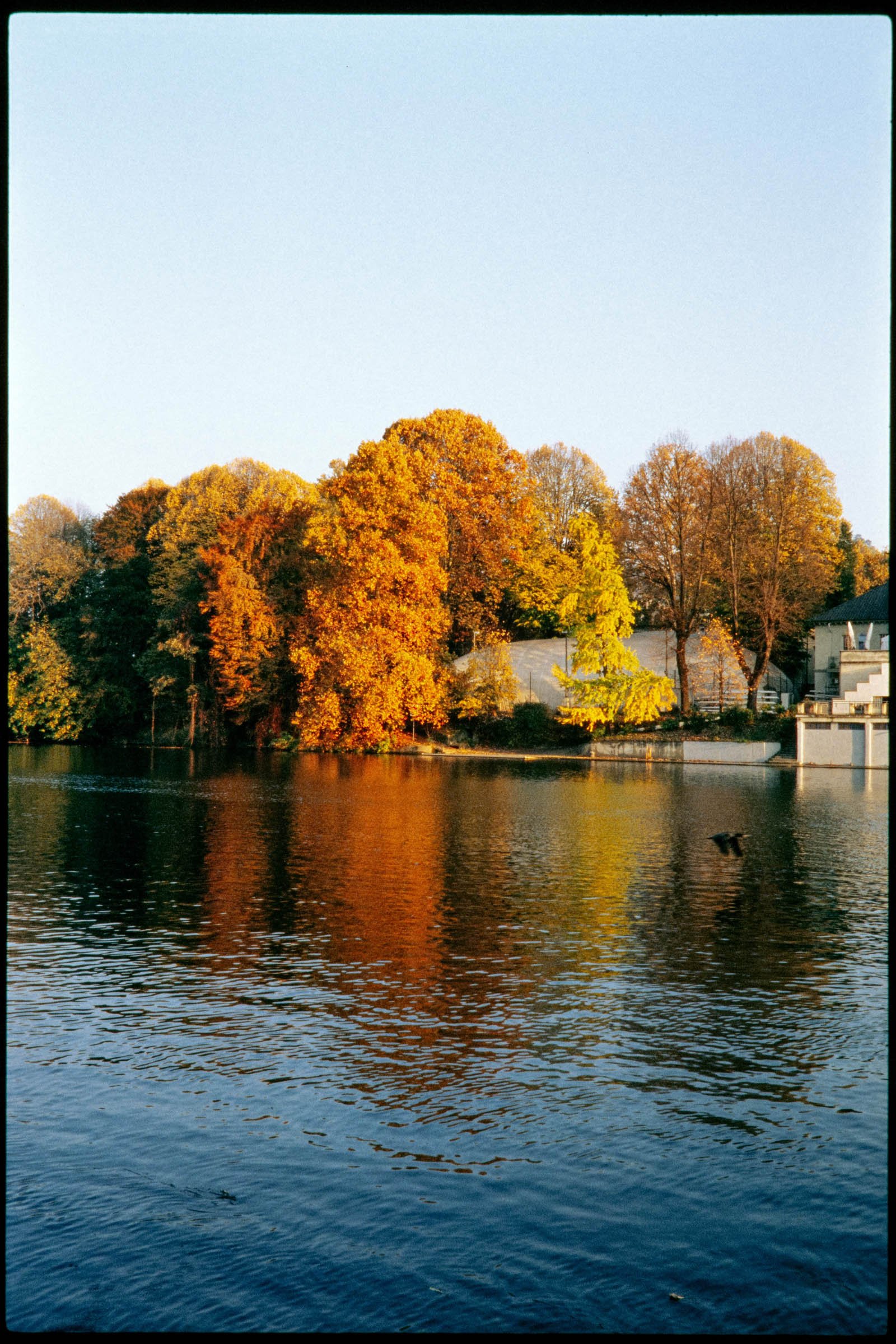
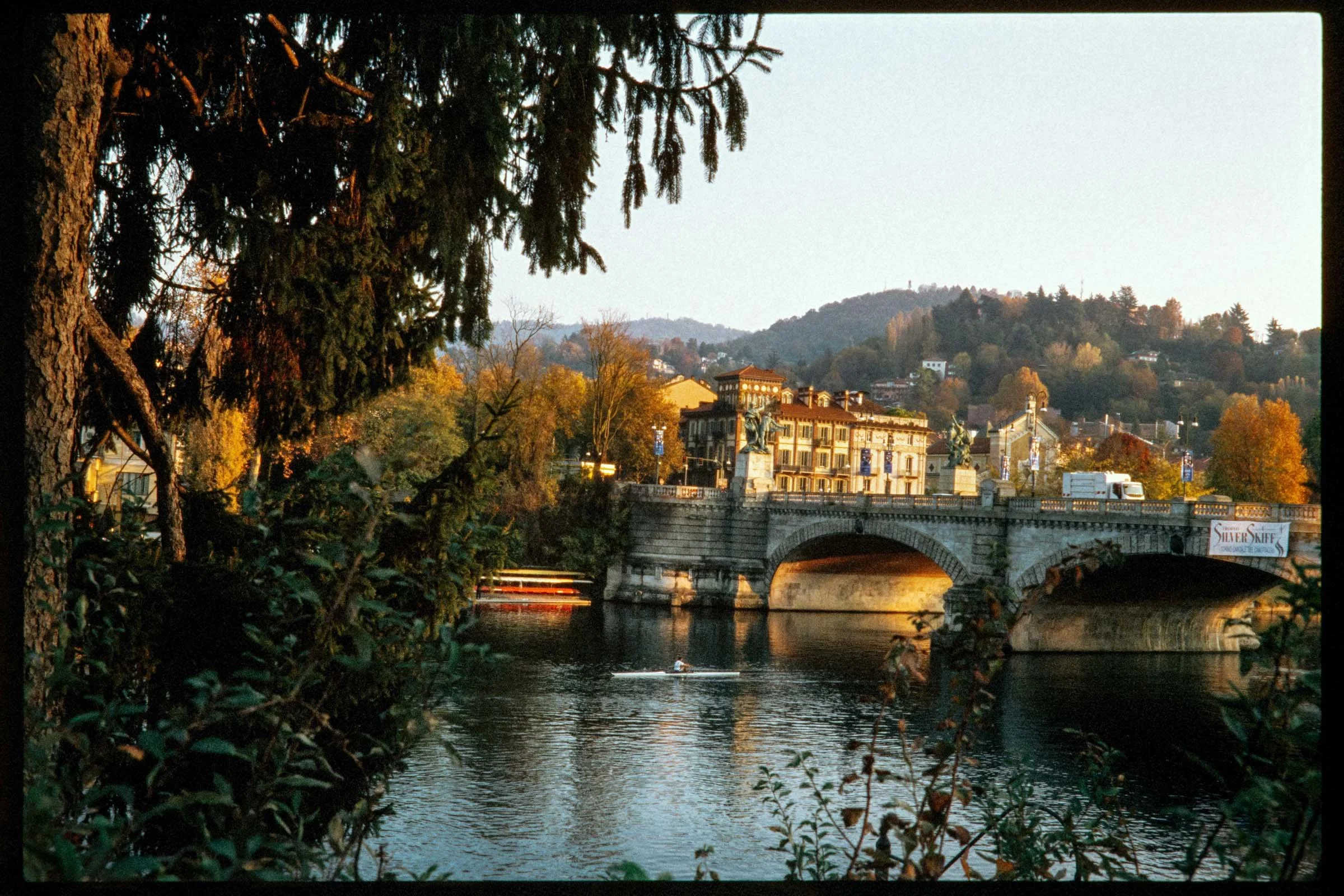


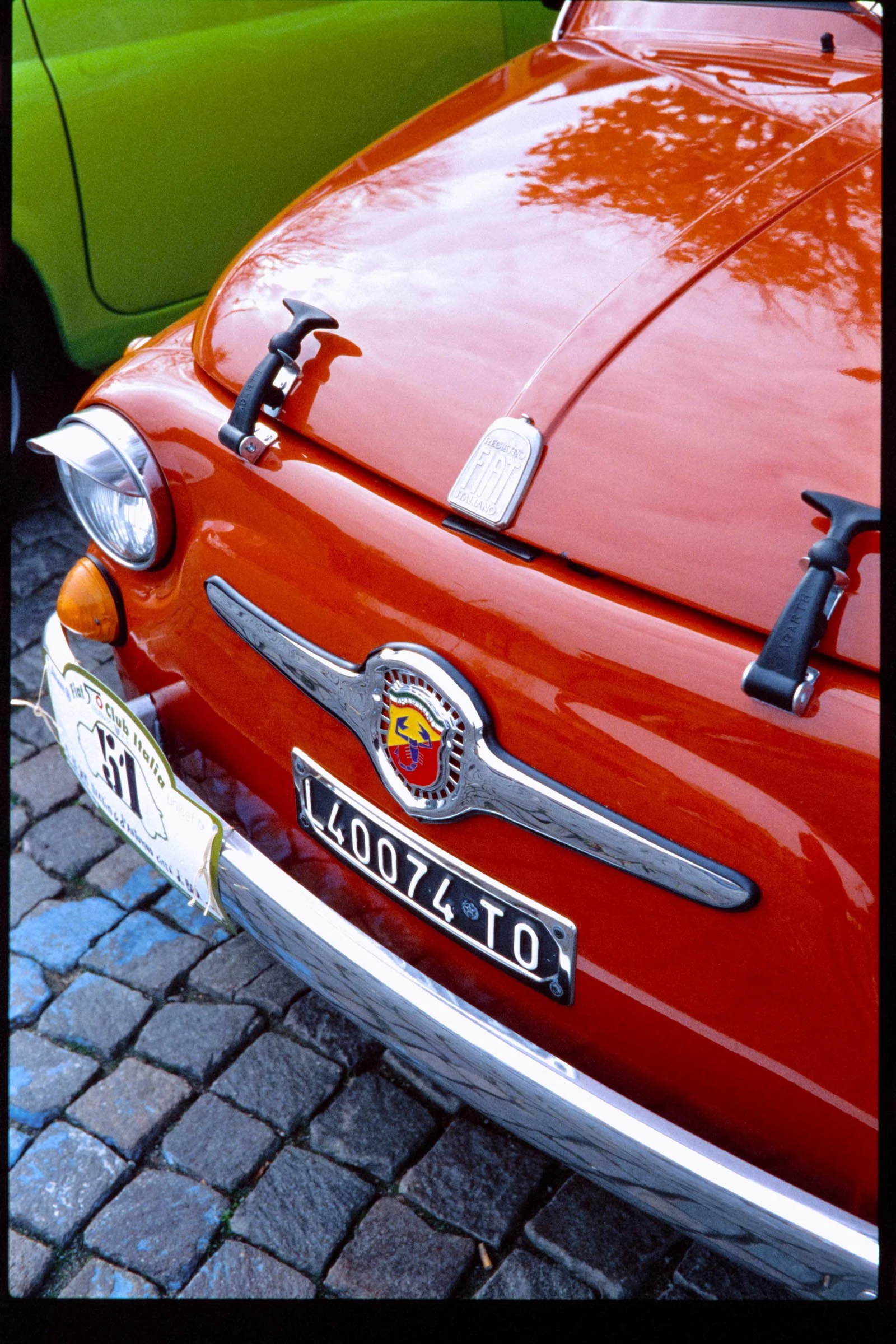
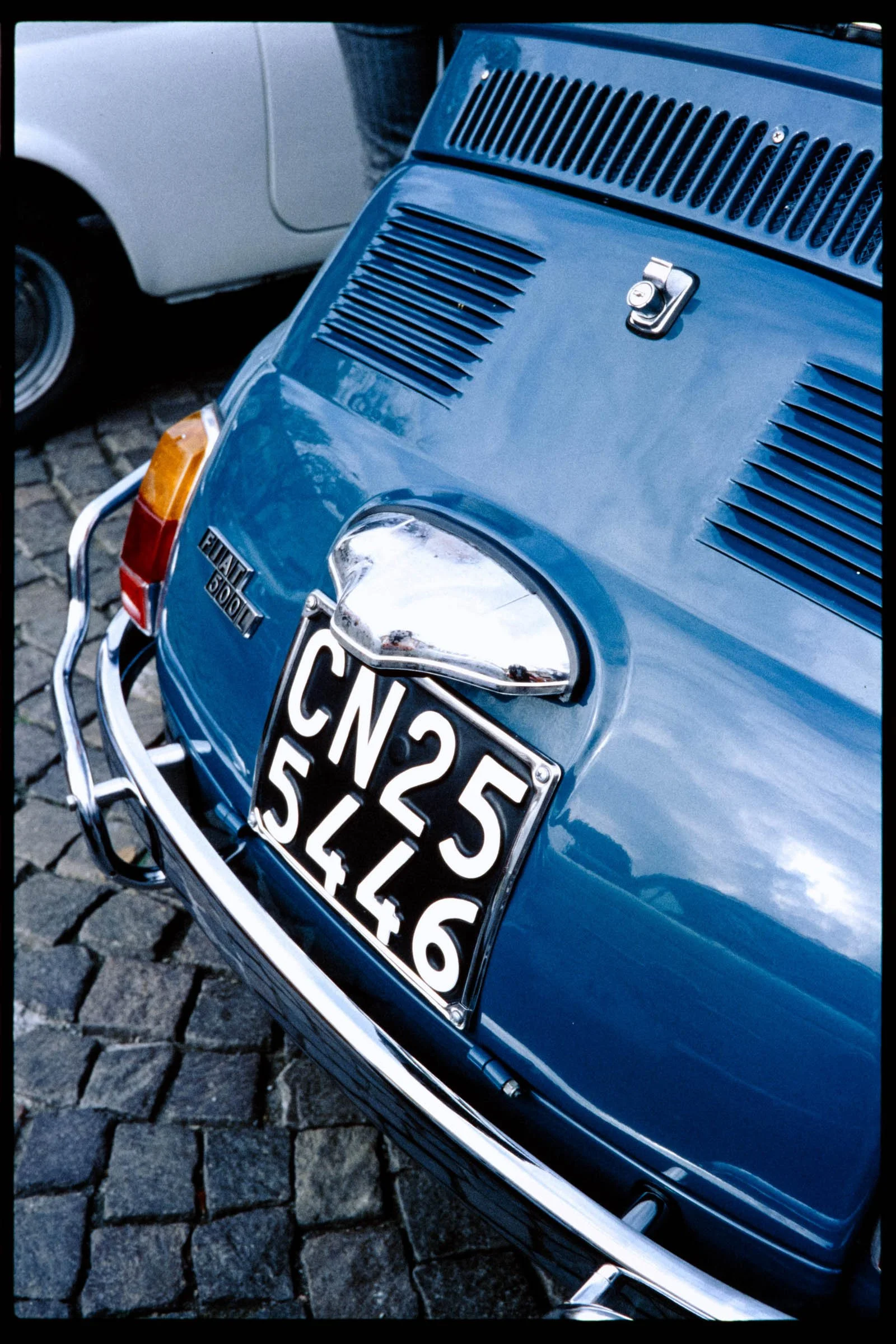
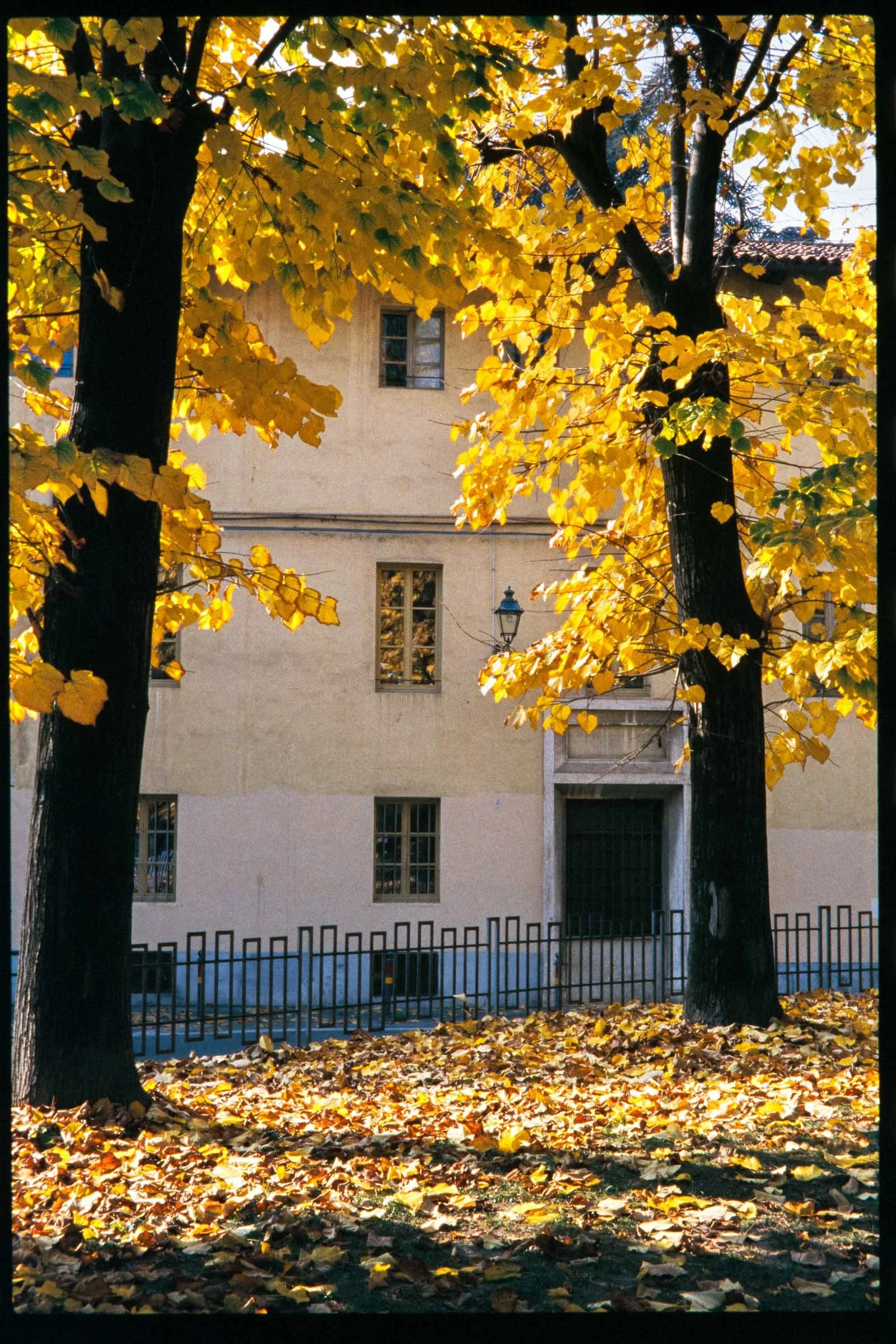
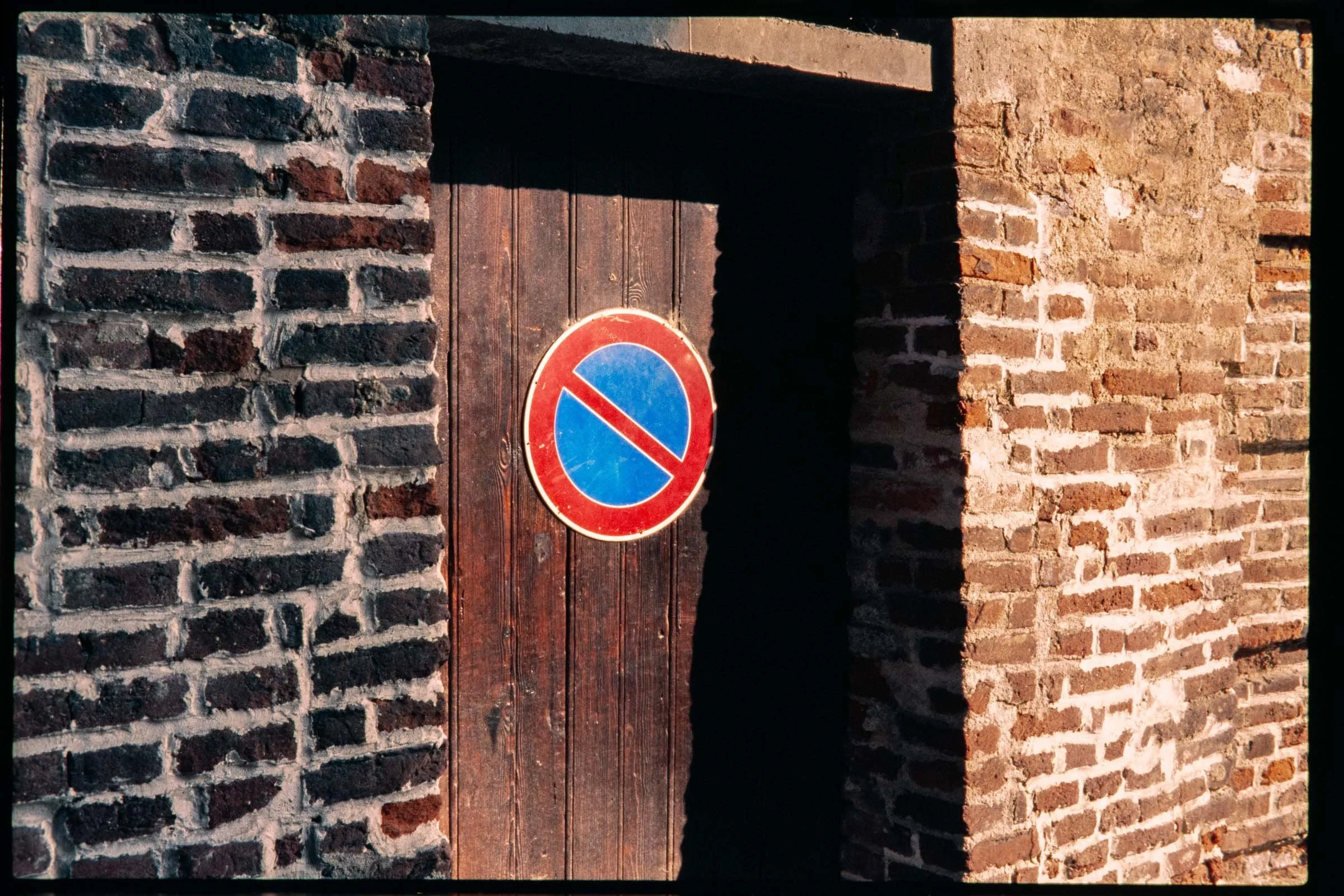
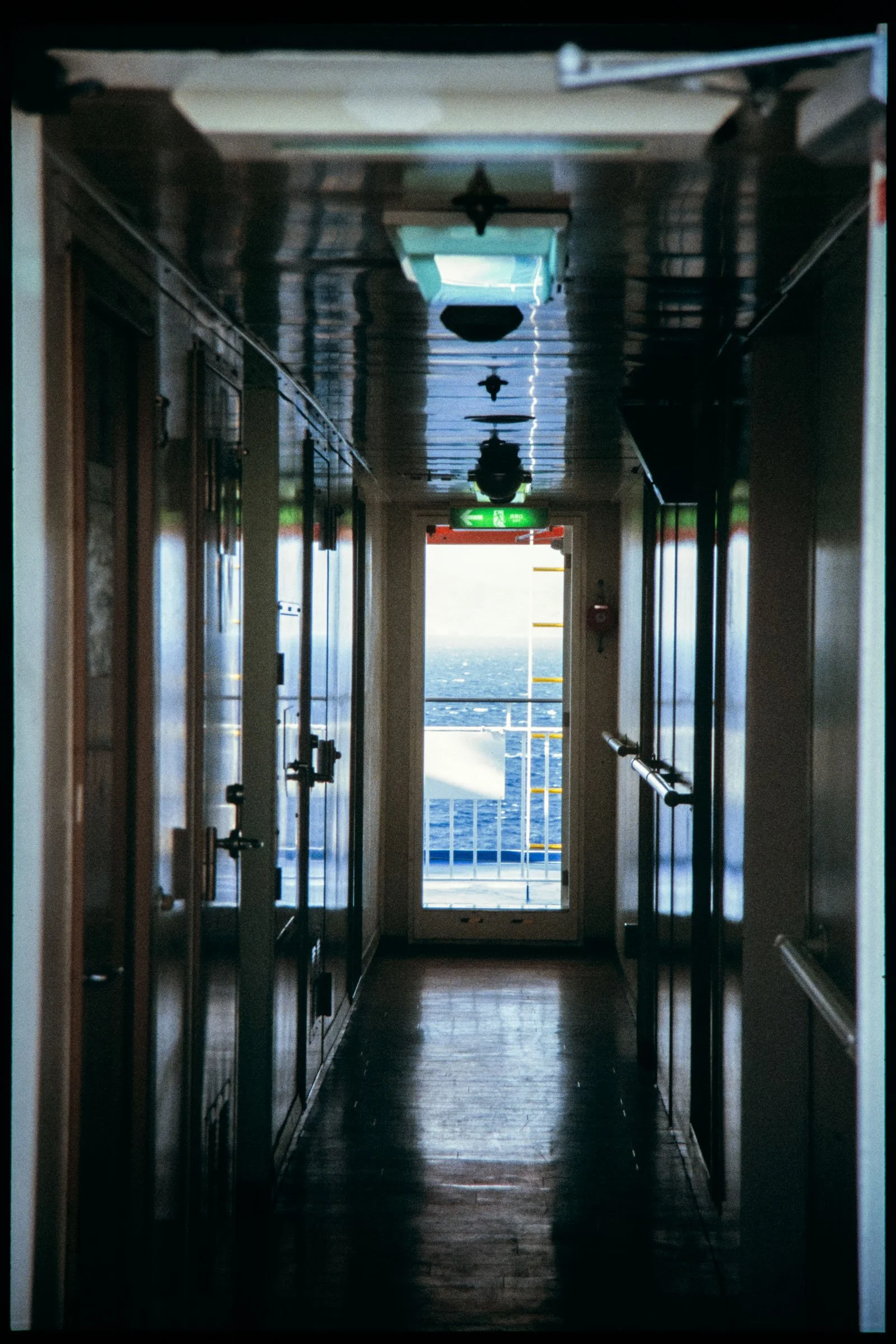
My roll expired in 2014. It didn't come out quite as clean as the Astia or Sensia, but it was still in surprisingly solid shape. With a few tweaks in Lightroom, I was able to bring the colours close to what I remembered from the actual scenes. This is one of the films that I had the chance to shoot a few times since 2014 and I love its colours and versatility. Unfortunately since its discontinuation, we haven’t had access to a slide film faster than ISO 100.
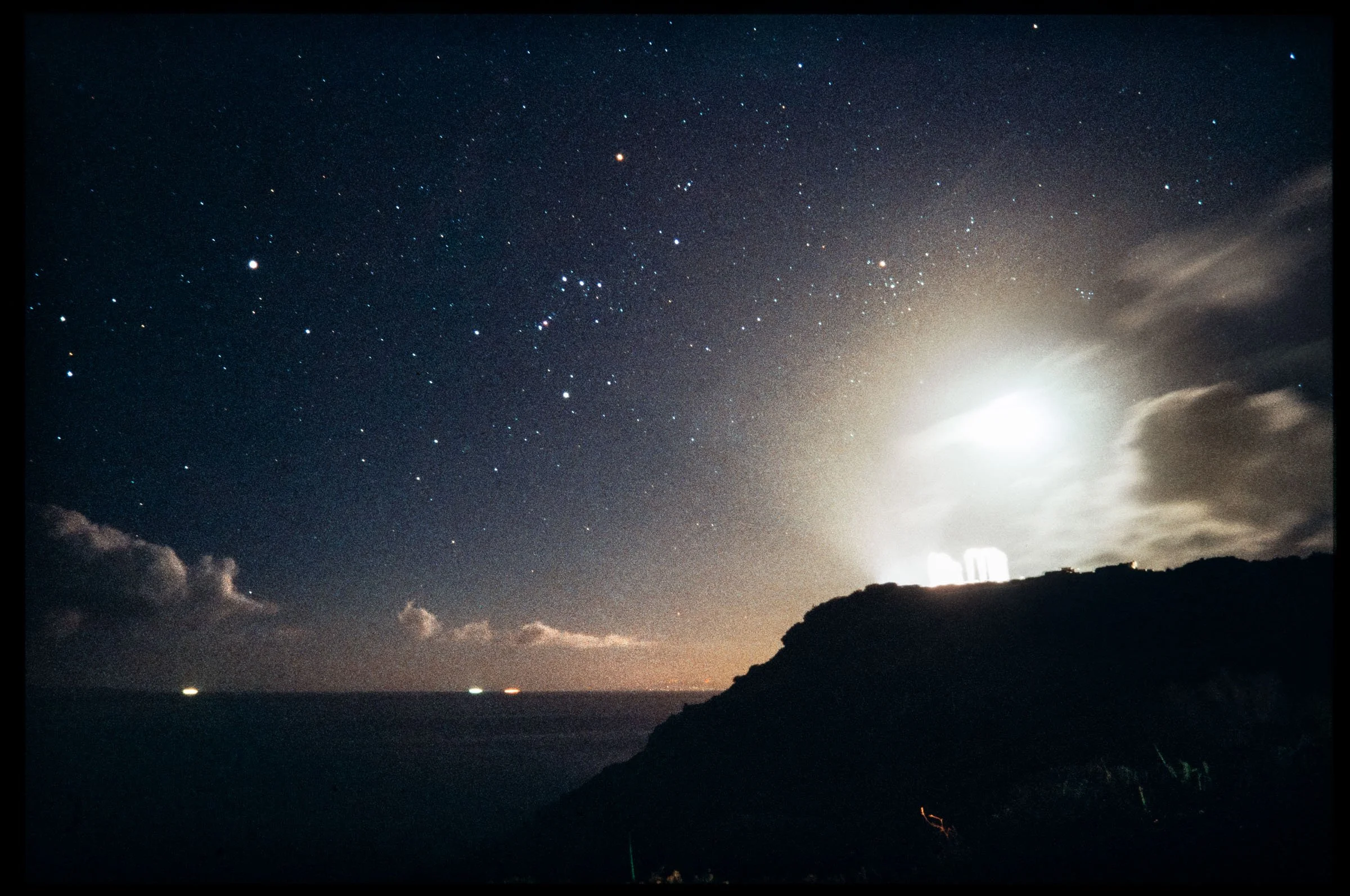
I was lucky enough to shoot a few more rolls of 400X in the past, so here is a mix of images taken between 2015-2016 in Greece.









One For The Future - Fuji 64T
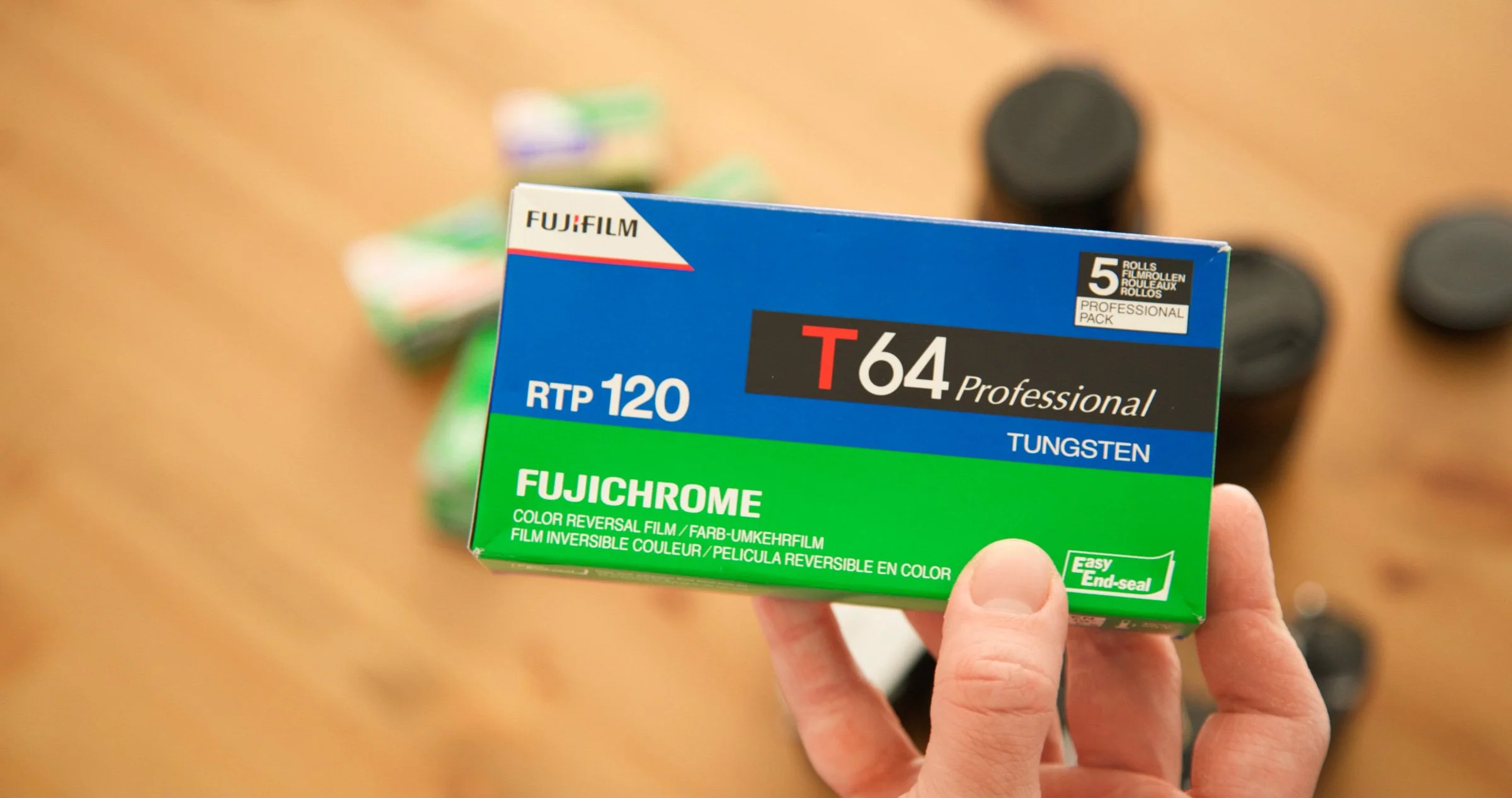
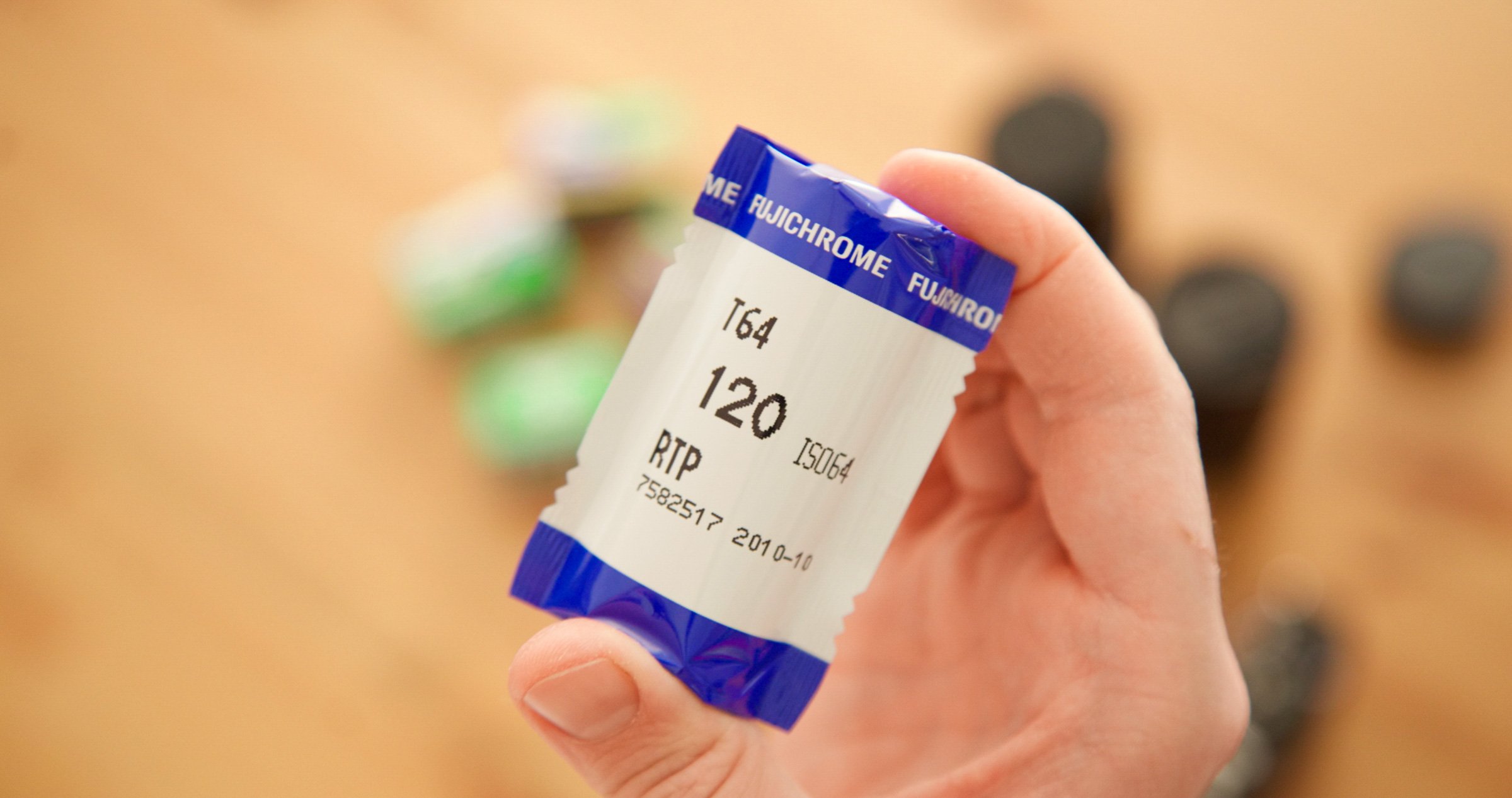
Before we move on to colour negatives, there's one more slide film I need to mention. I have a box of Fujichrome 64T in 120 format sitting in my freezer.
It’s a pretty unique, low-ISO, tungsten-balanced film that I haven’t shot yet, which is why it didn't make it into this chapter. However, whenever I do get around to shooting it, I’ll be updating this post with the scans and a proper breakdown of how the film behaves. If you check back here in a few months, hopefully you'll get to see how this unique stock turned out.
Colour Negative Films
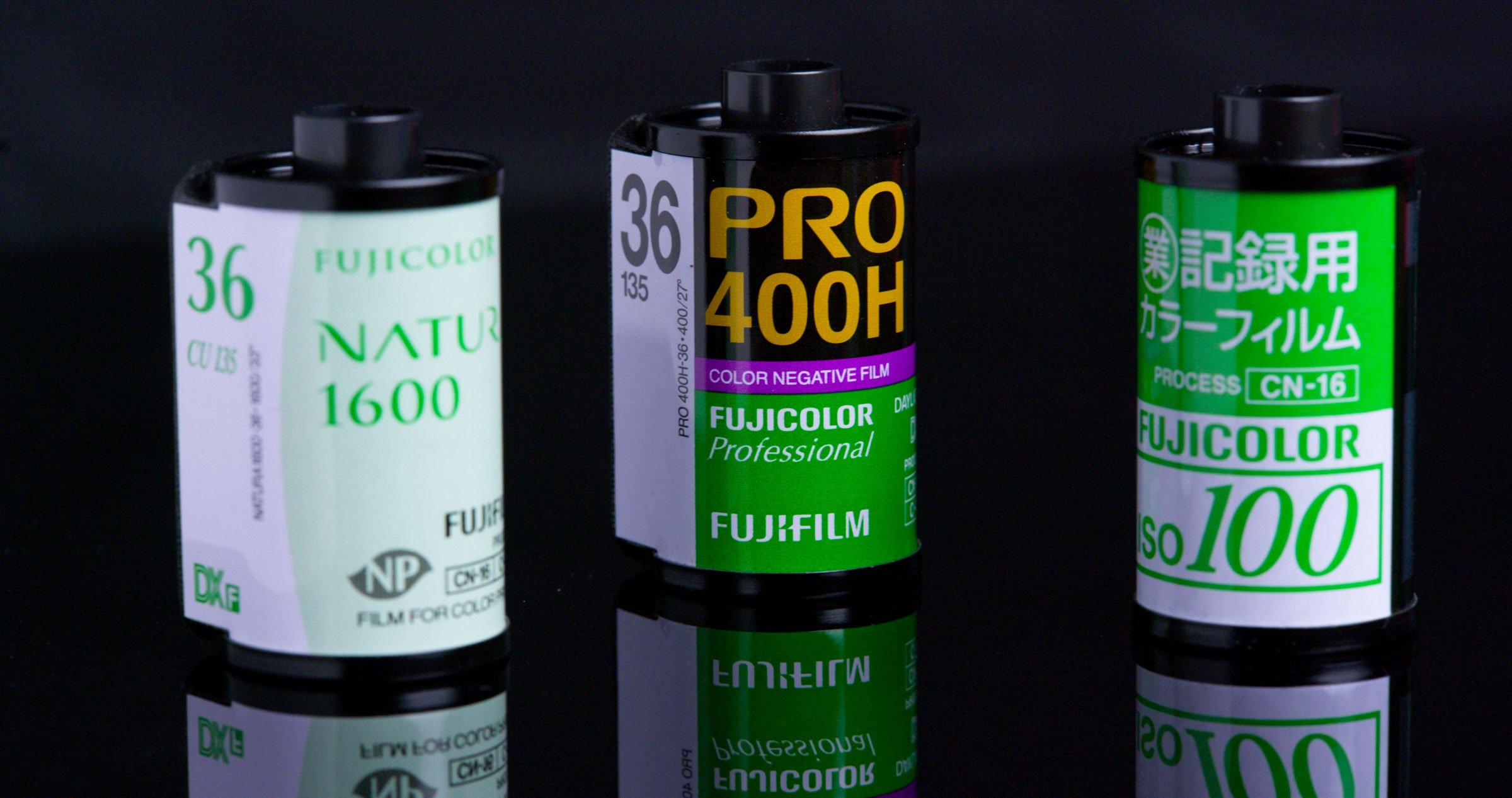
Leaving the high-contrast colourful world of slide film behind, we’re switching over to Fujifilm's colour negative lineup. Colour negatives offer far more exposure latitude and a completely different look, and in this section, we’ll be looking at three classics: Natura 1600, Pro 400H, and Industrial 100.
INDUSTRIAL 100 - 業記録用カラーフィルム
(Discontinued 2020) - No Data Sheet
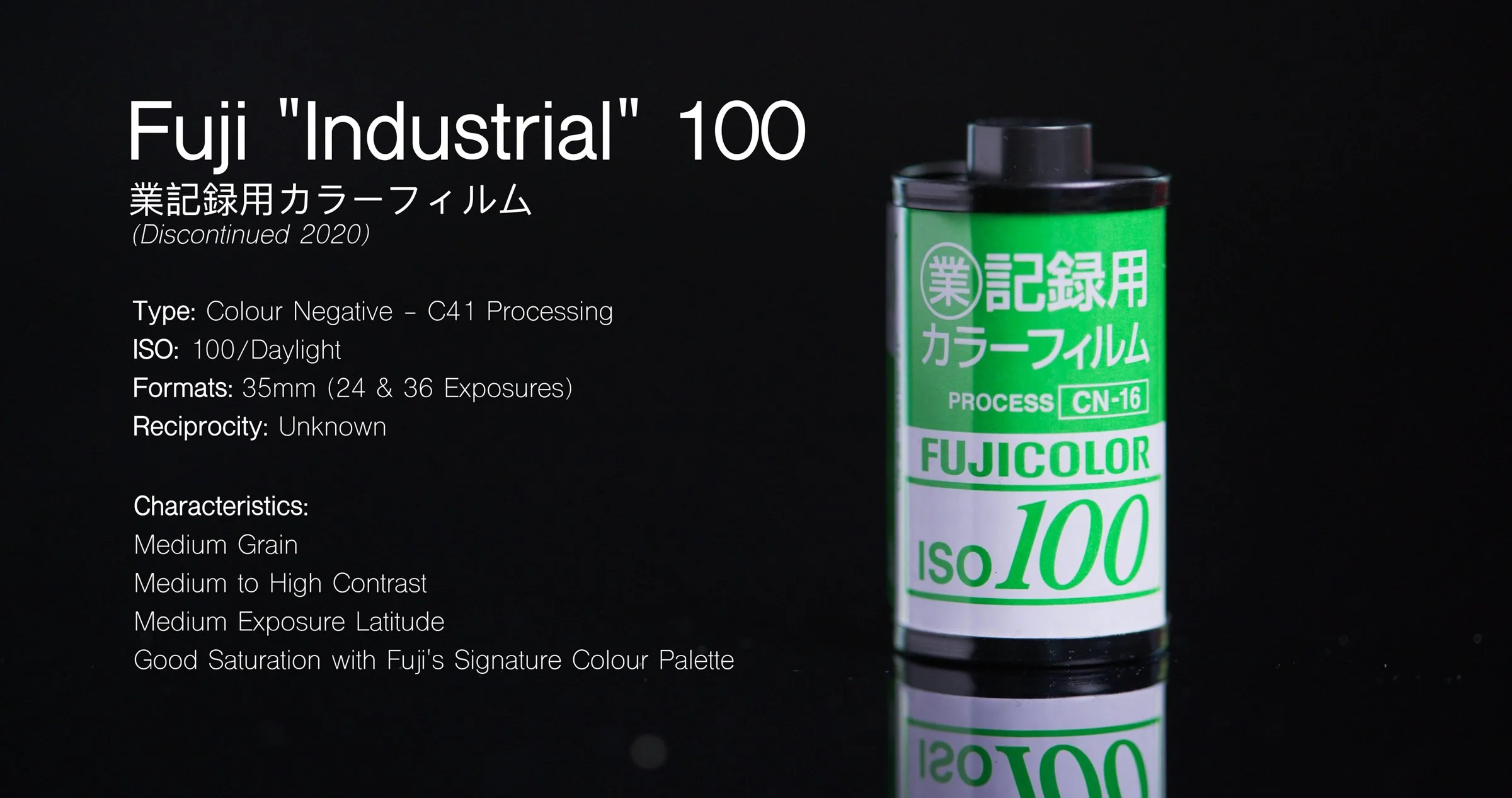
Packaged in a plain white box with minimalist green Japanese text, Industrial 100 looks more like an office supply item than a tool for artistic photography. Yet despite its unusual naming and its low availability, the film earned a cult following.
Sold almost exclusively within Japan, the stock remained largely under the radar for Western photographers until a few years before Fujifilm discontinued the film. It was mainly sold in bricks of 10 and Fuji never published a data sheet for it. Many people speculate it was a slightly tweaked formula of standard Fujicolor 100, while others believed it was a direct rebadge aimed for commercial and record-keeping use.
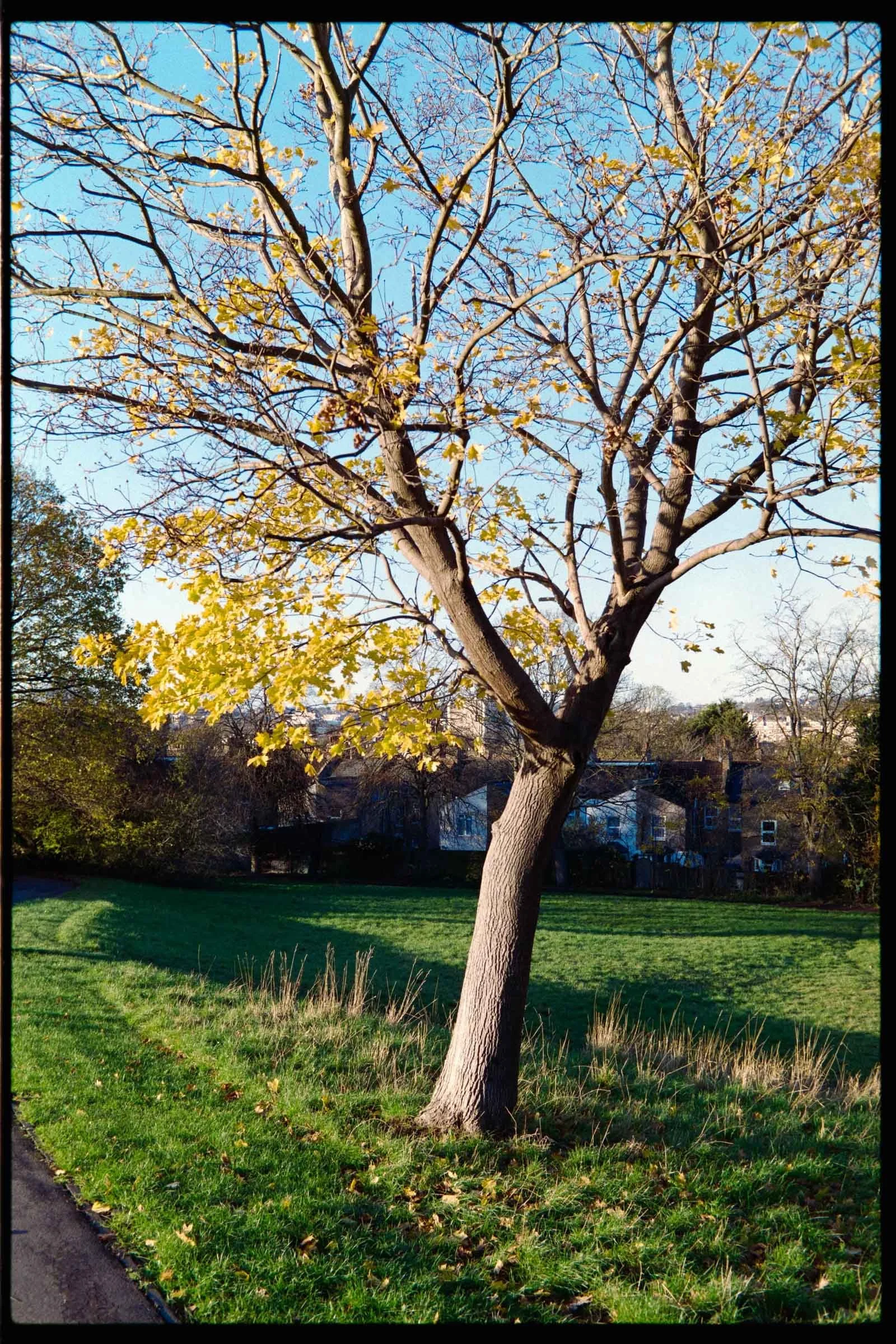
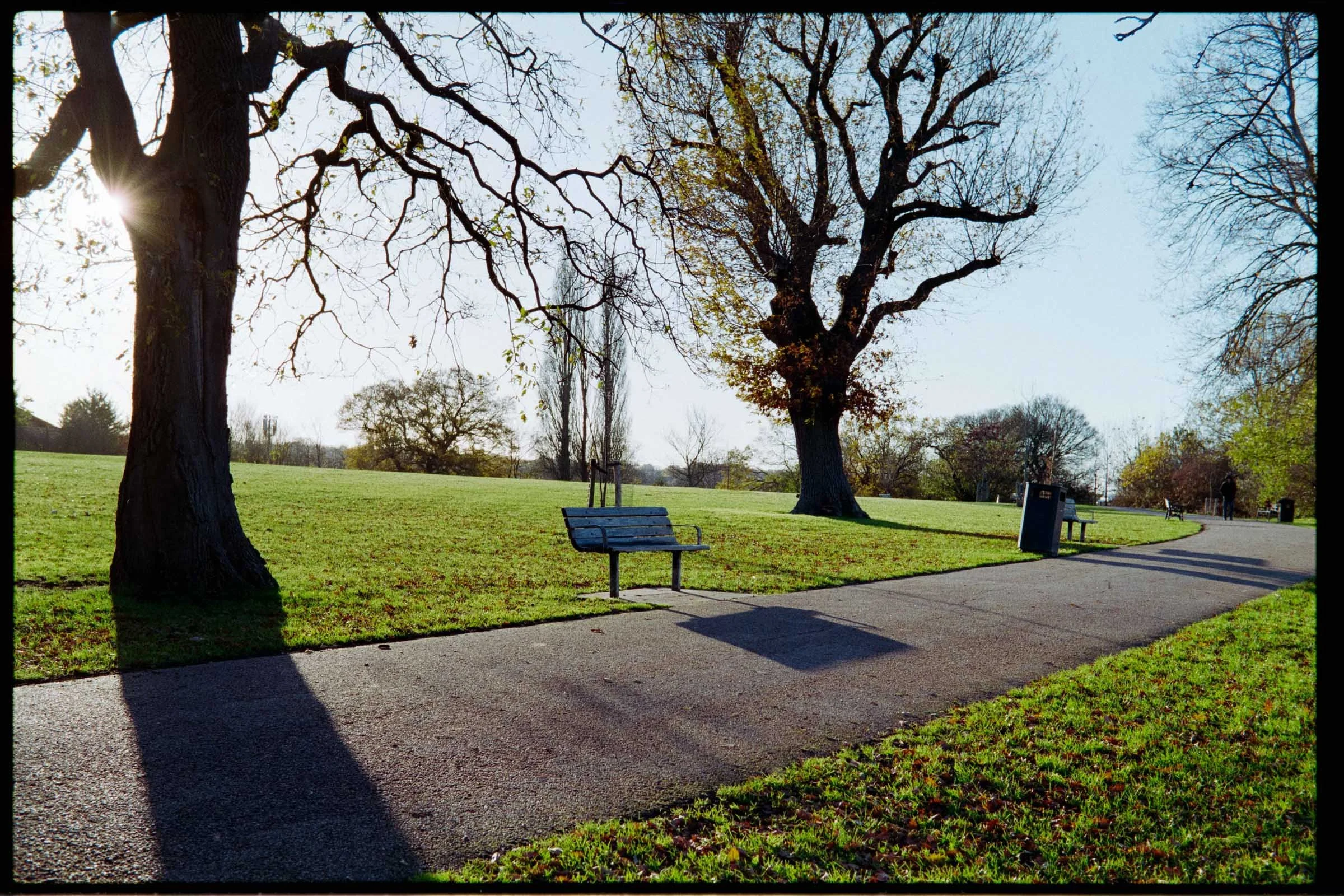


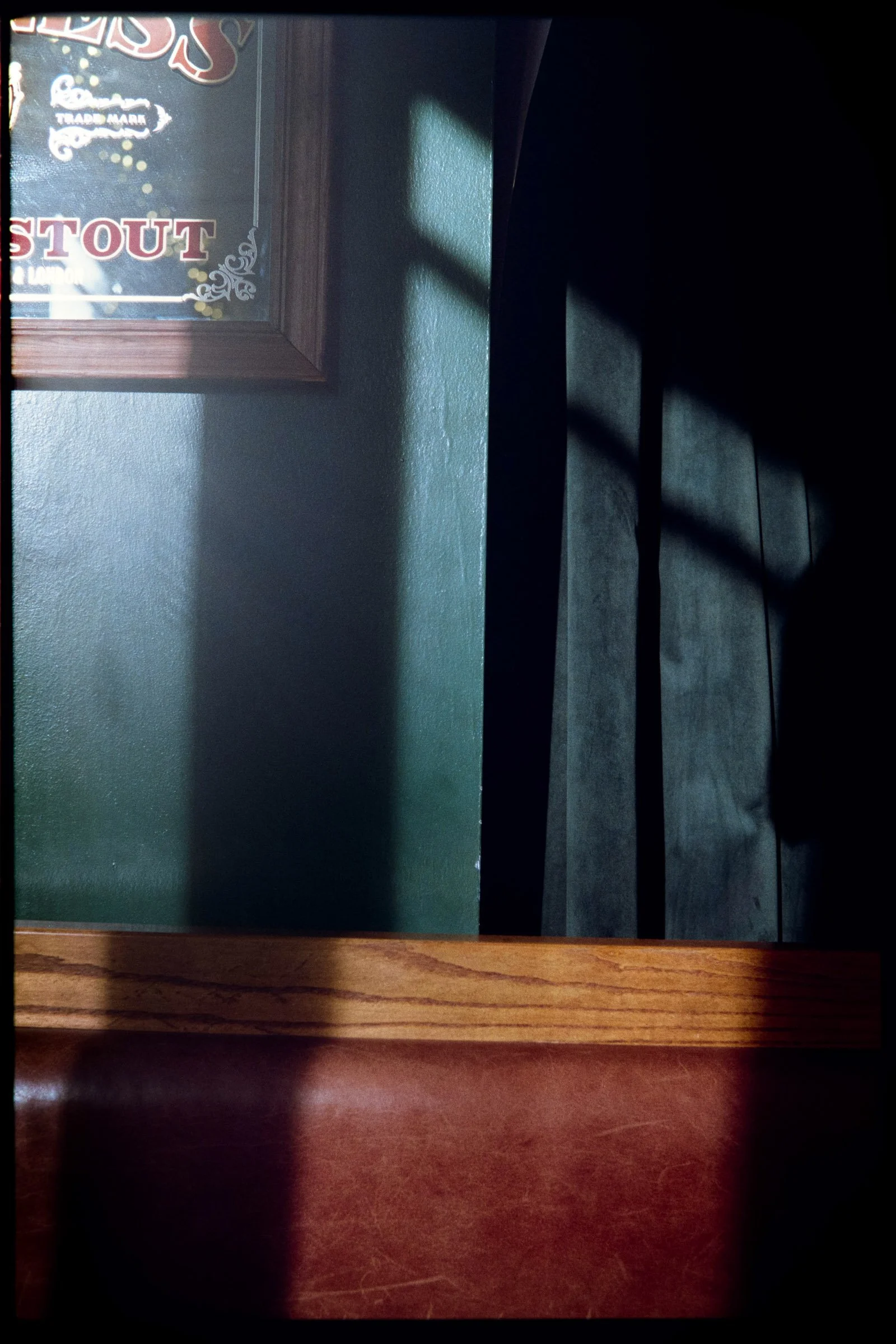
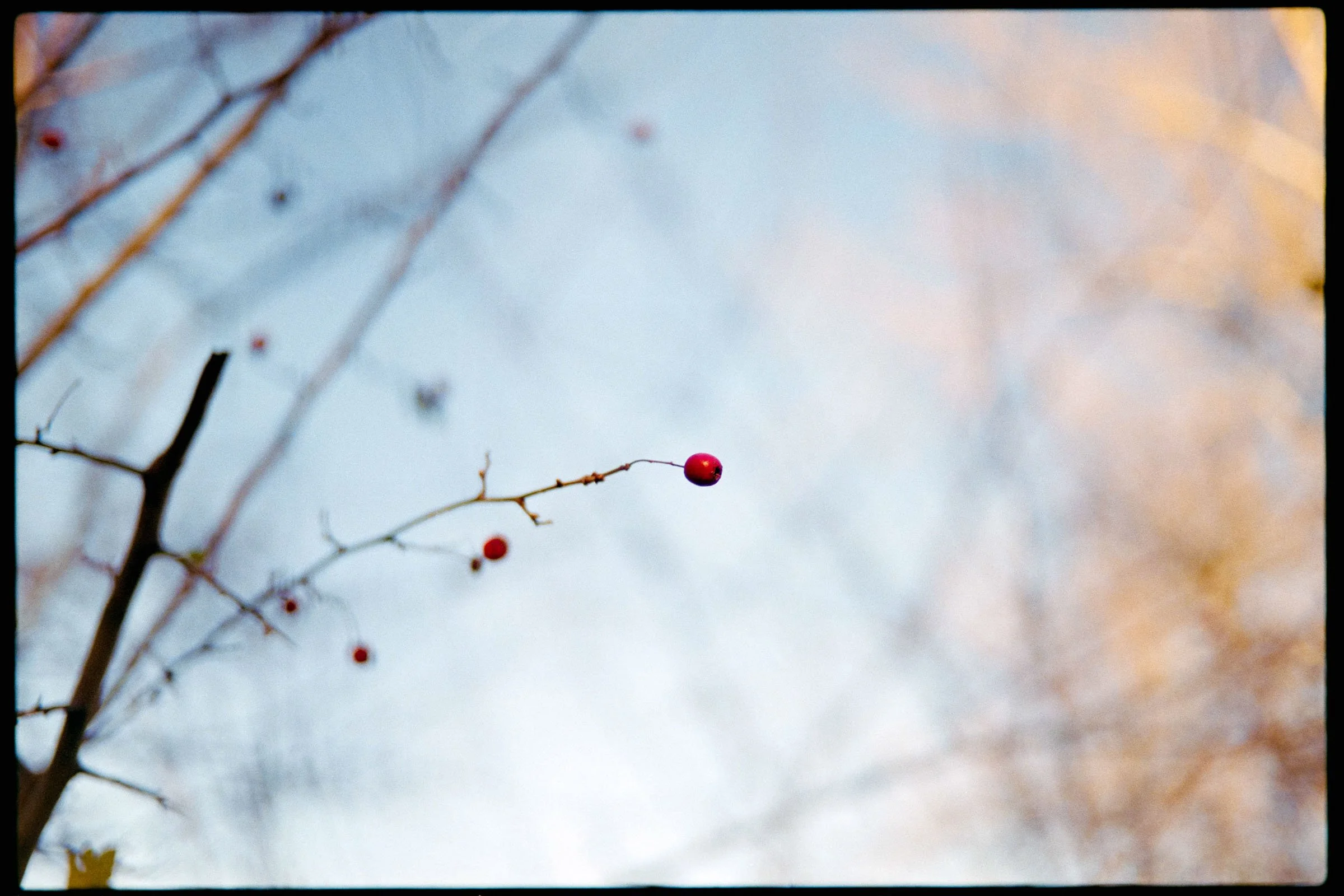
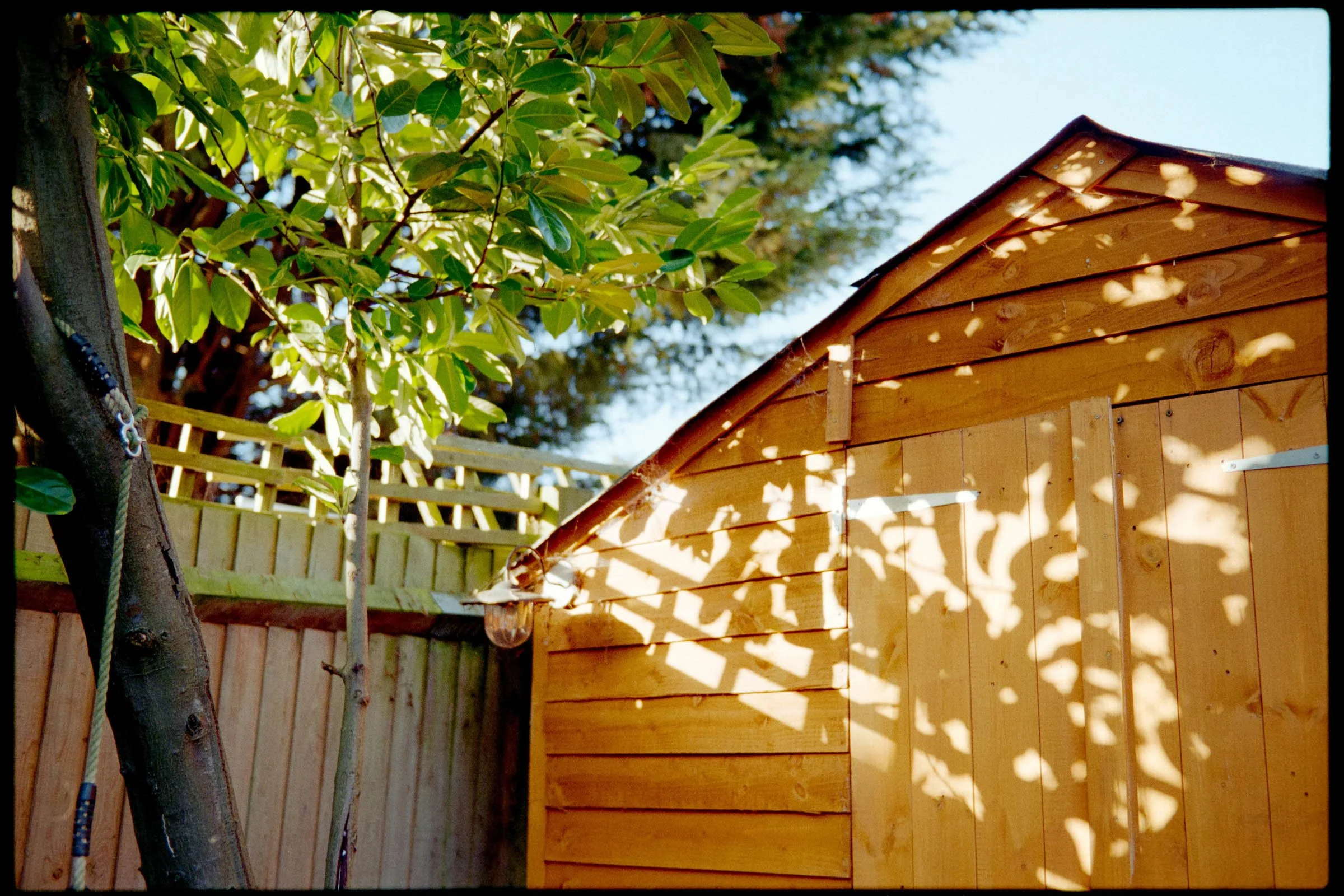
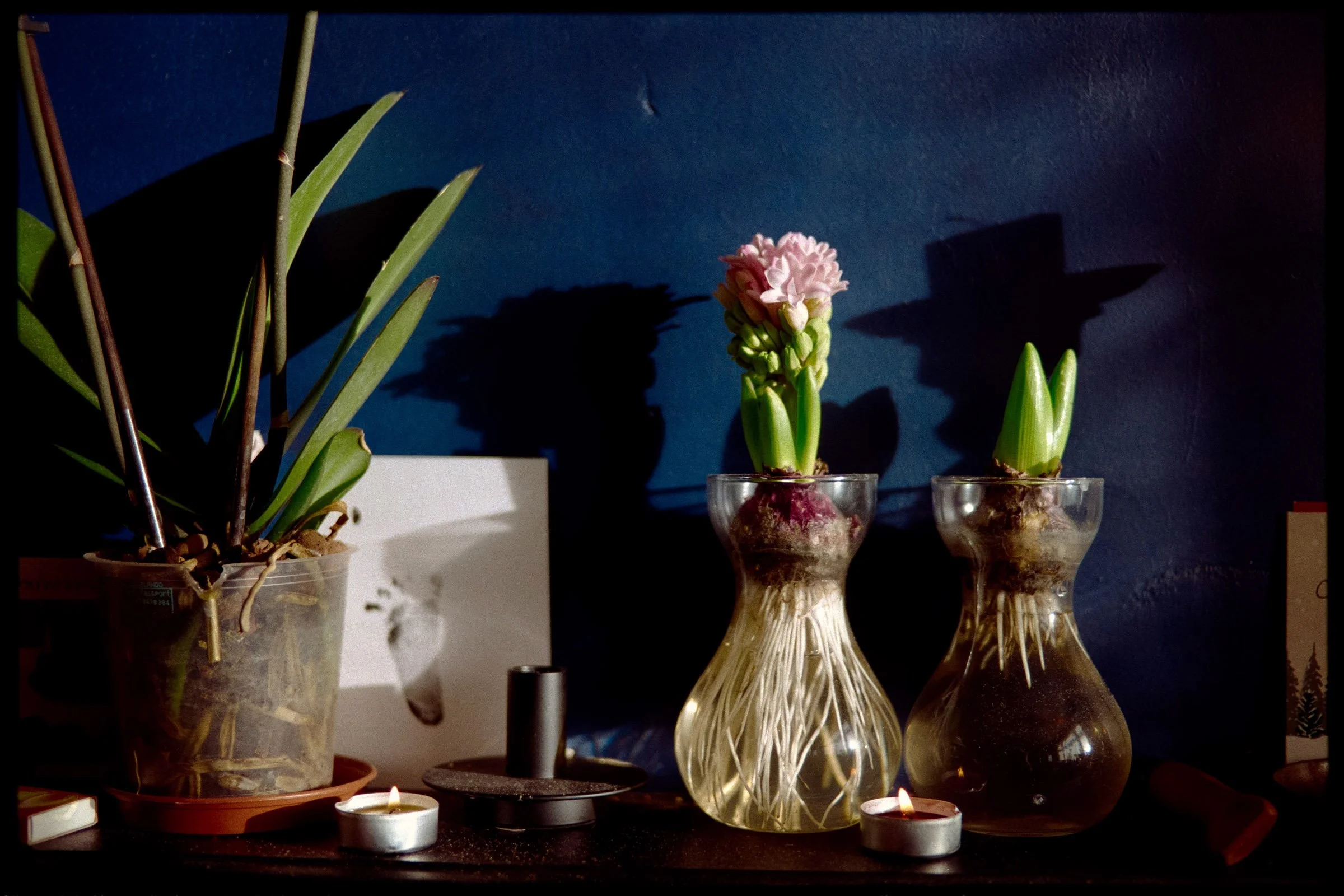
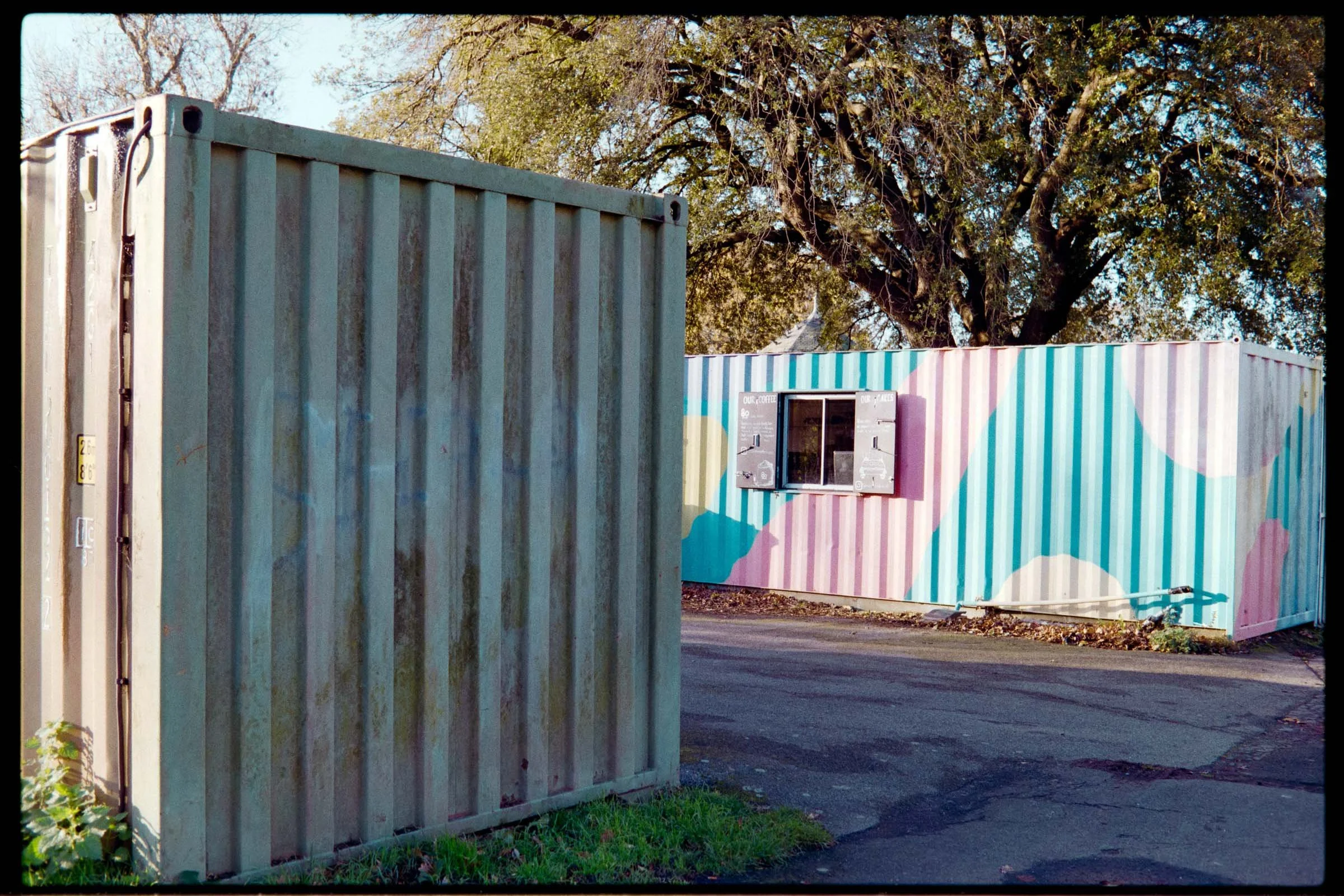
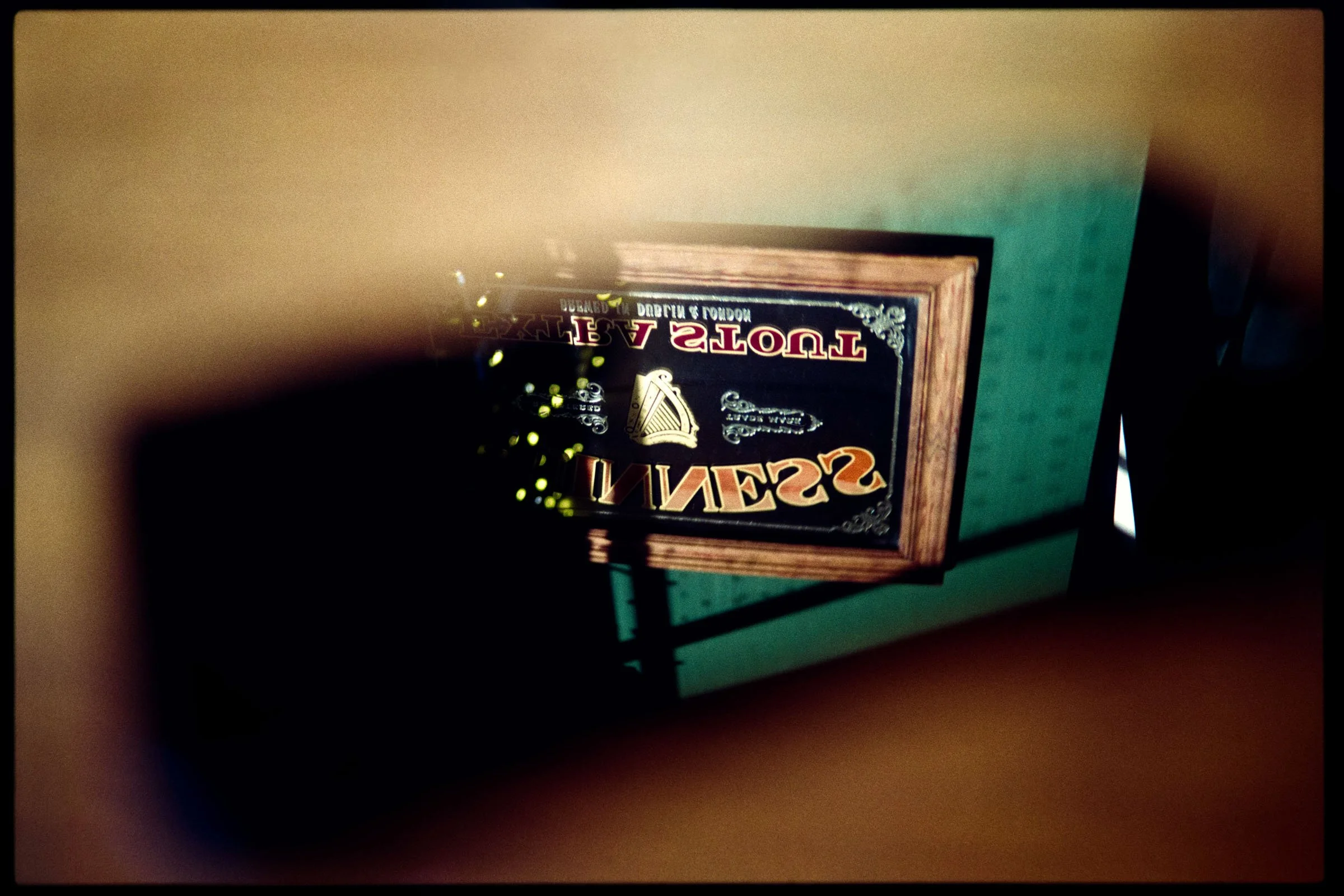
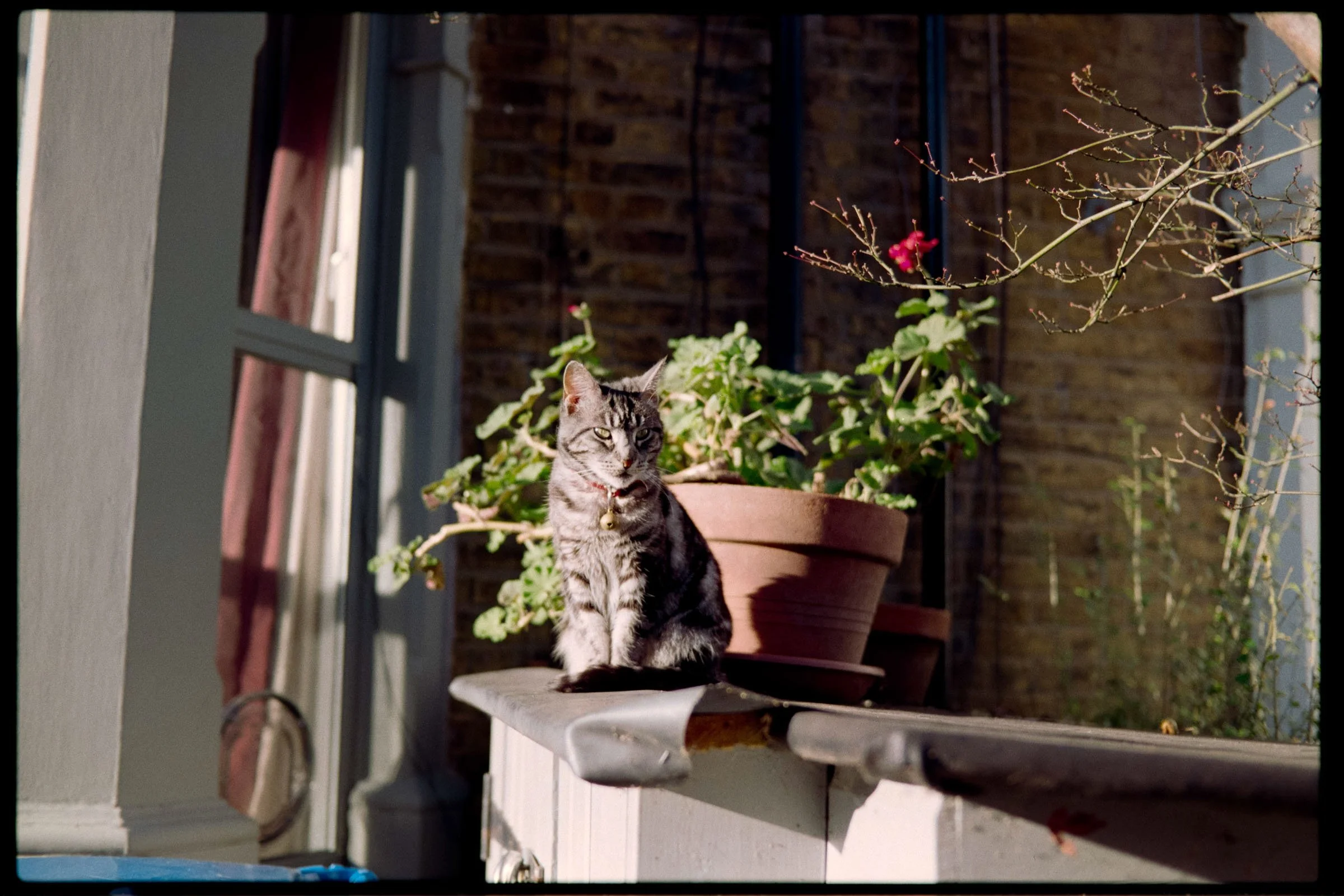
Whatever the true formula was, the one thing I can clearly see is that it has this unique colour palette that is shared among Fuji’s colour negative film. They have a pastel quality to them along with the signature reds and greens. Expiring back in 2022, this was the freshest roll of the bunch, and it performed brilliantly.
The images yielded crisp contrast and vibrant colours. Very enjoyable for casual, walk-around shooting, though a bit limiting for indoor or low light scenes.
PRO 400H
(Discontinued 2021) - Data Sheet
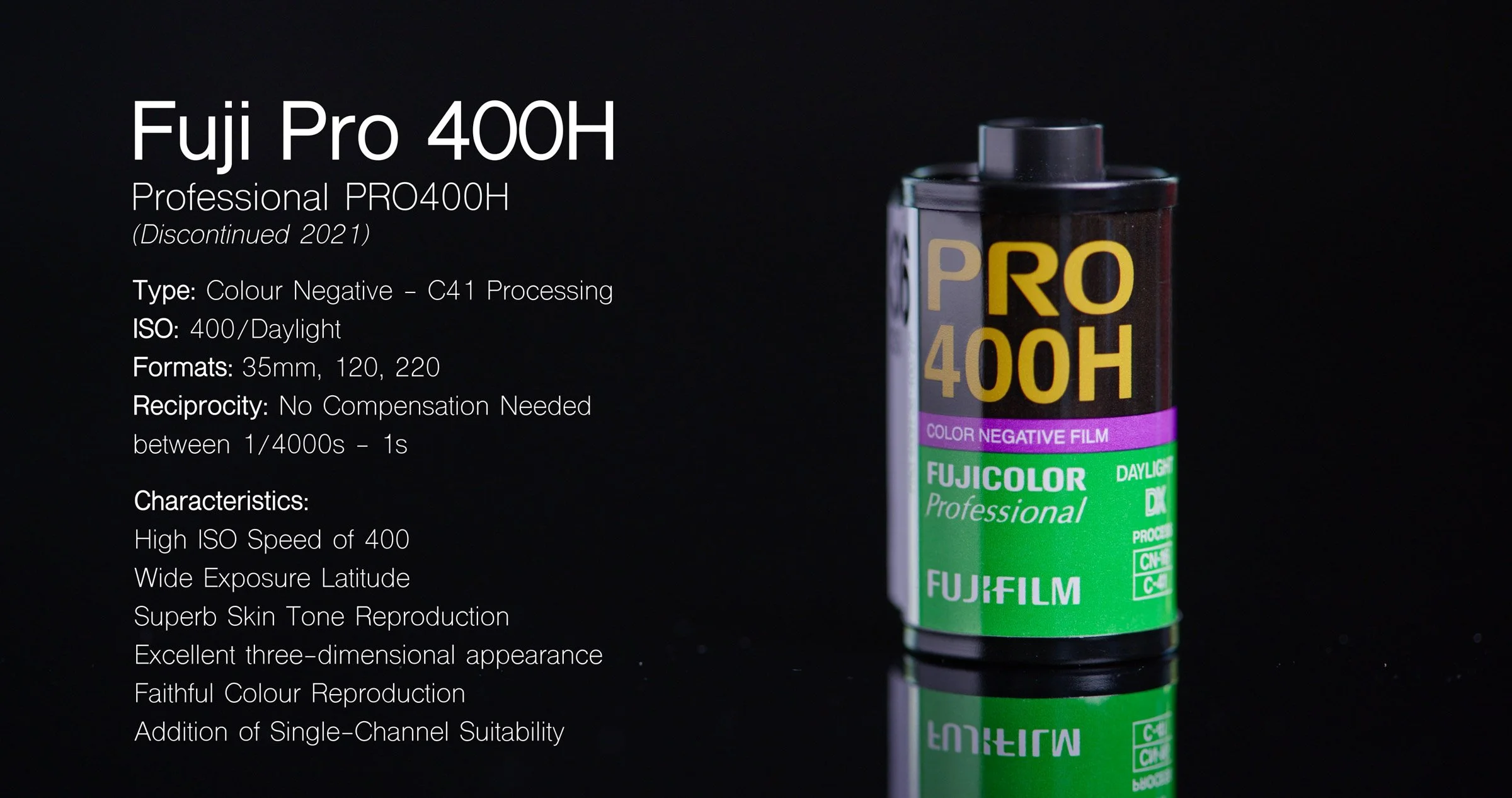
Next up is a film that needs almost no introduction. Widely regarded as one of the best colour negative films of its time, it has massive exposure latitude, fine grain and a beautiful colour palette. For years, it was the gold standard for portrait and wedding photography.
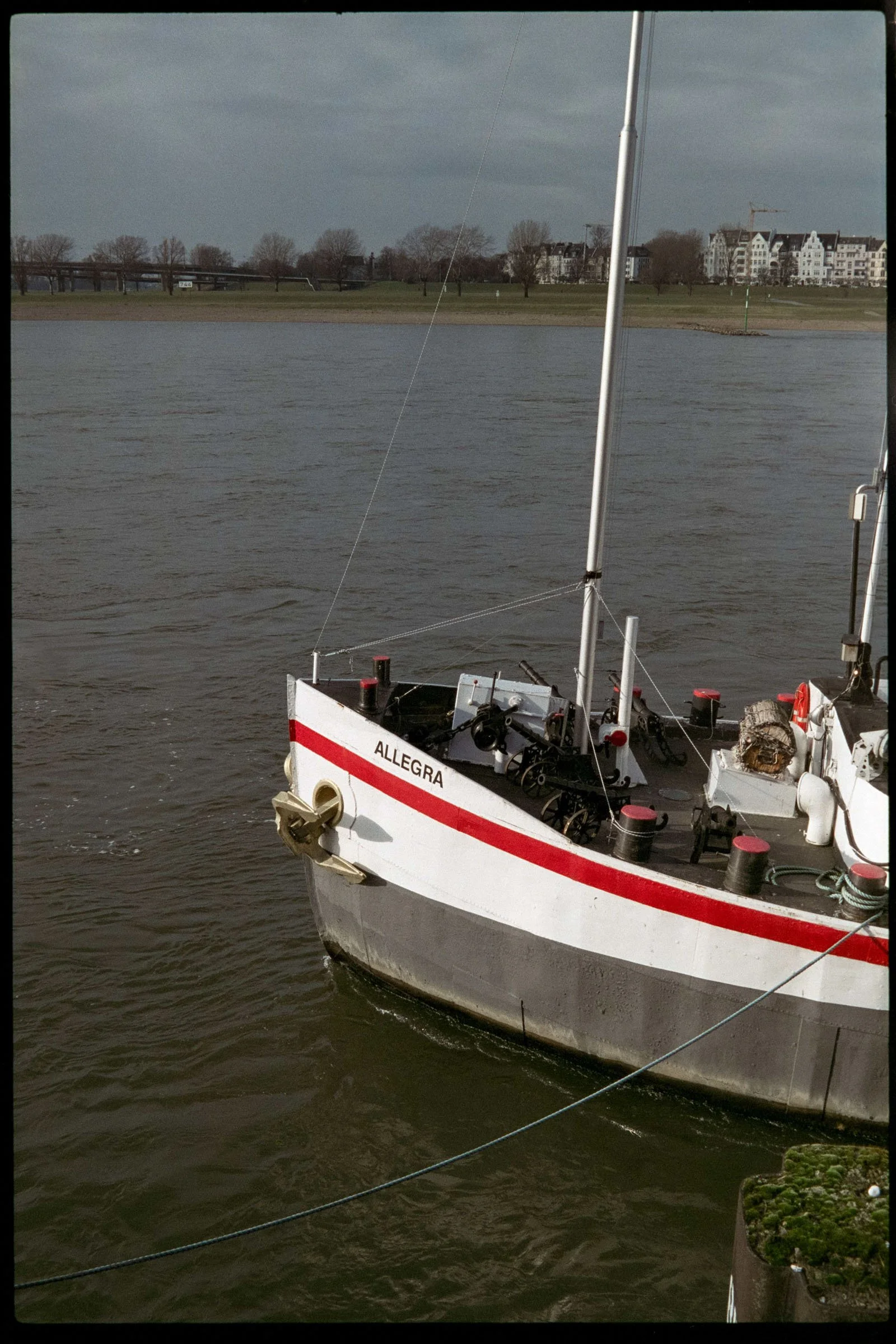
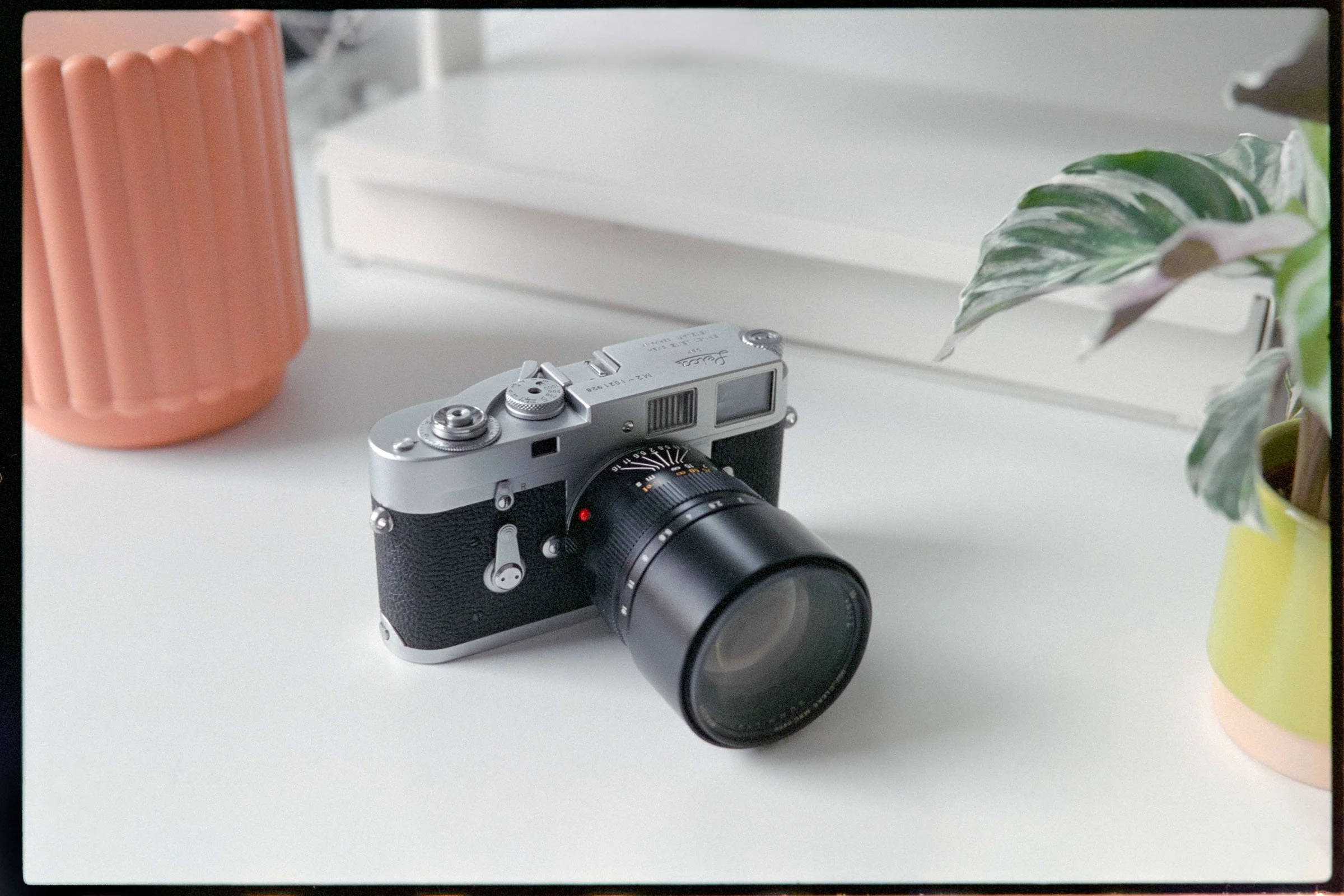


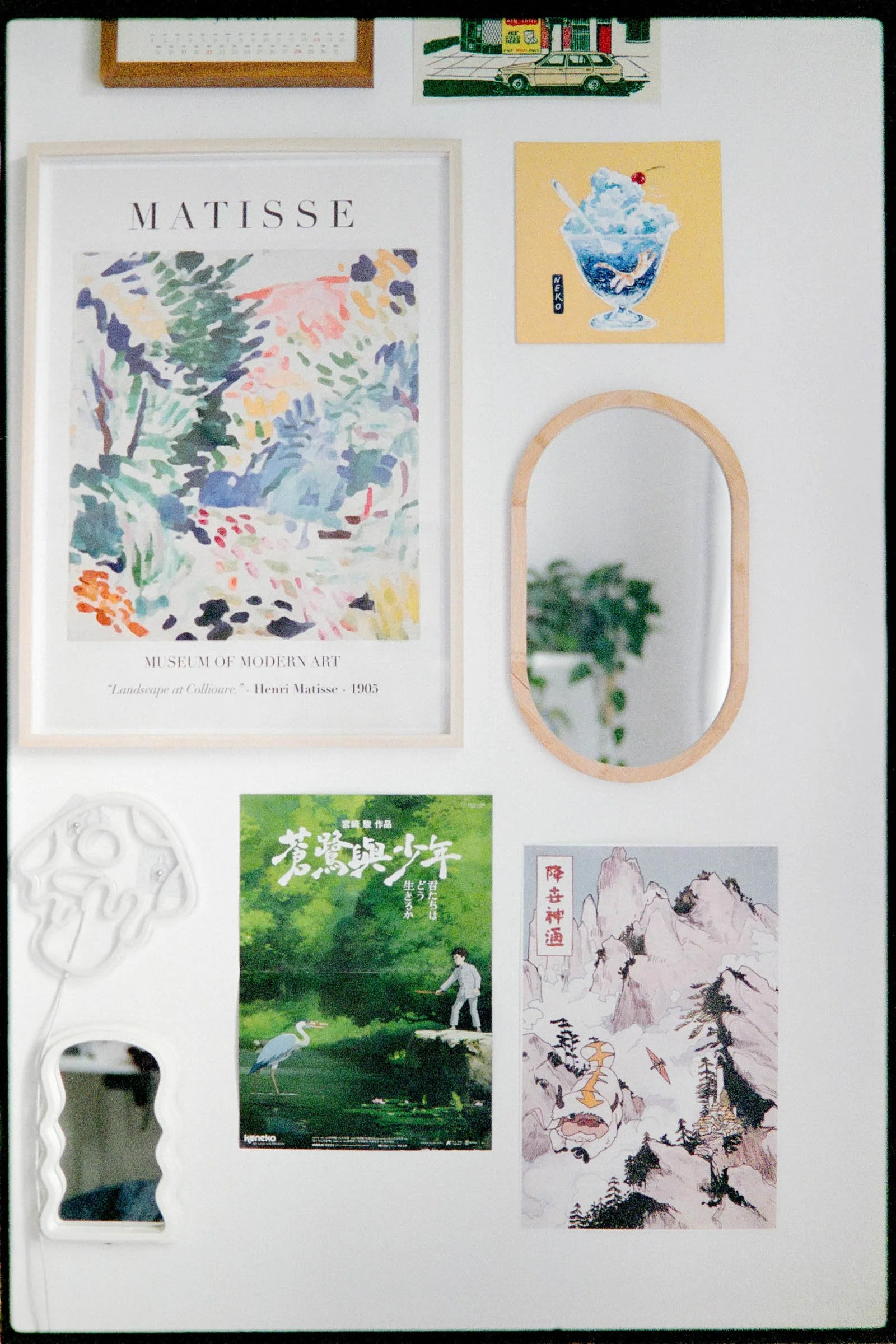
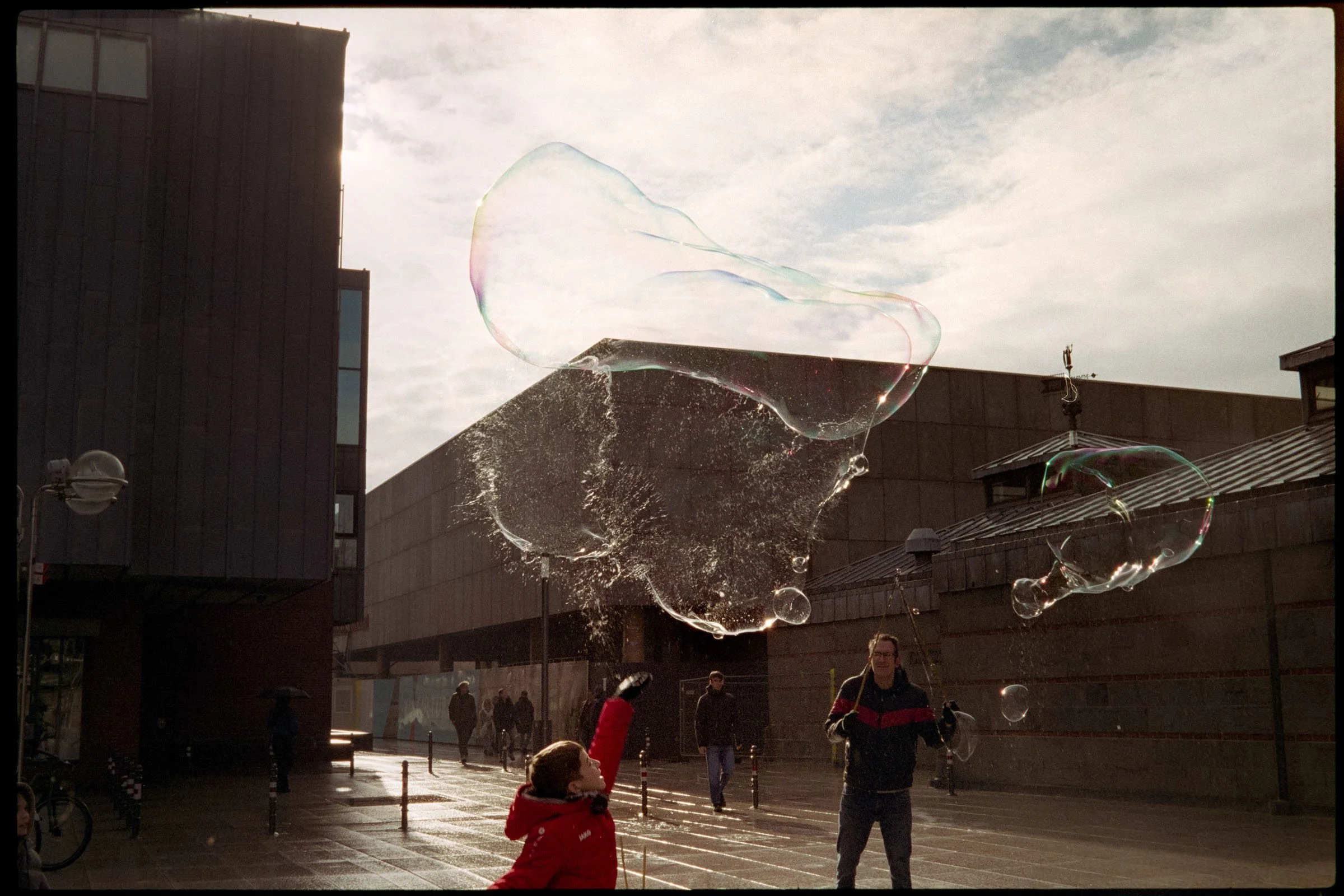

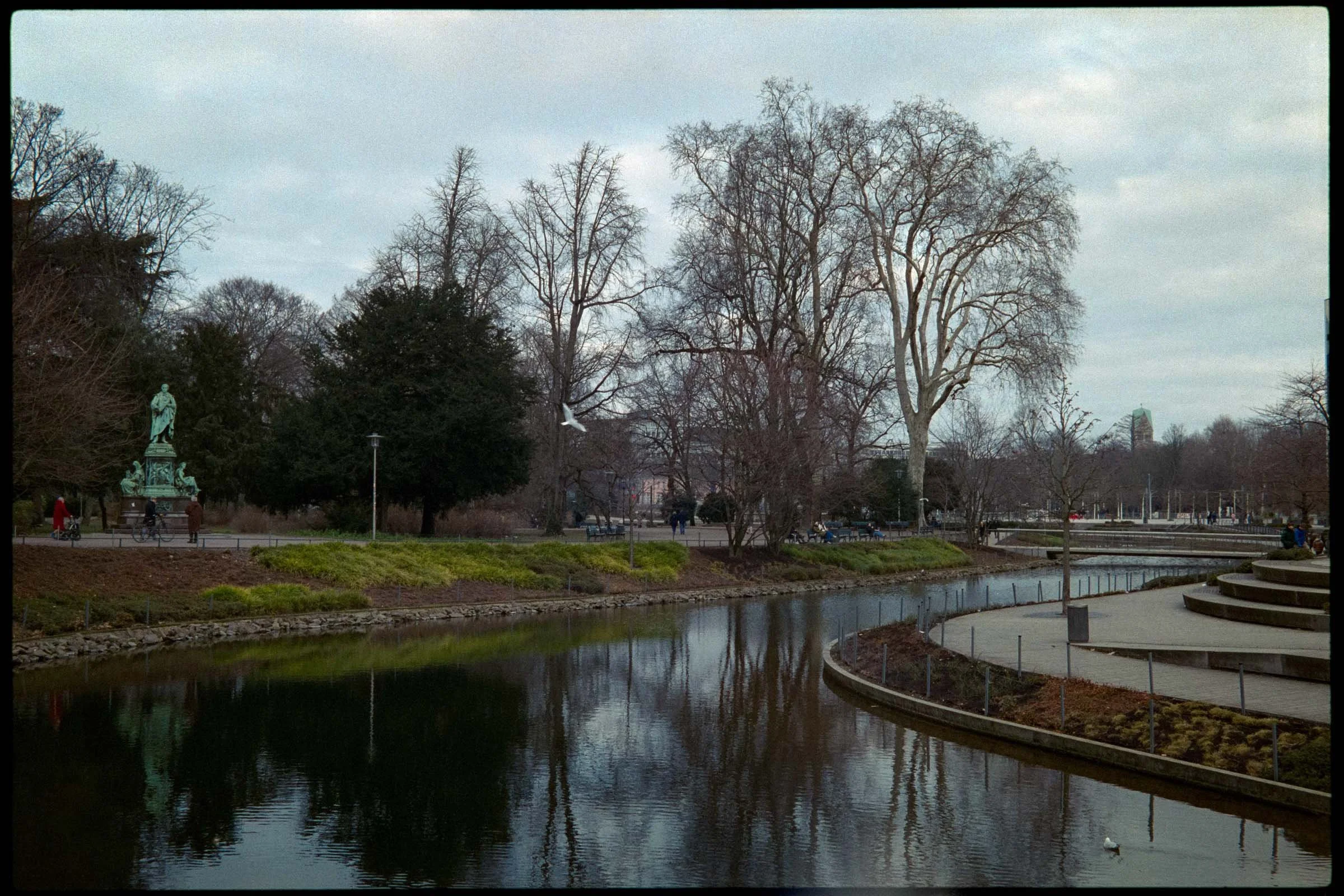


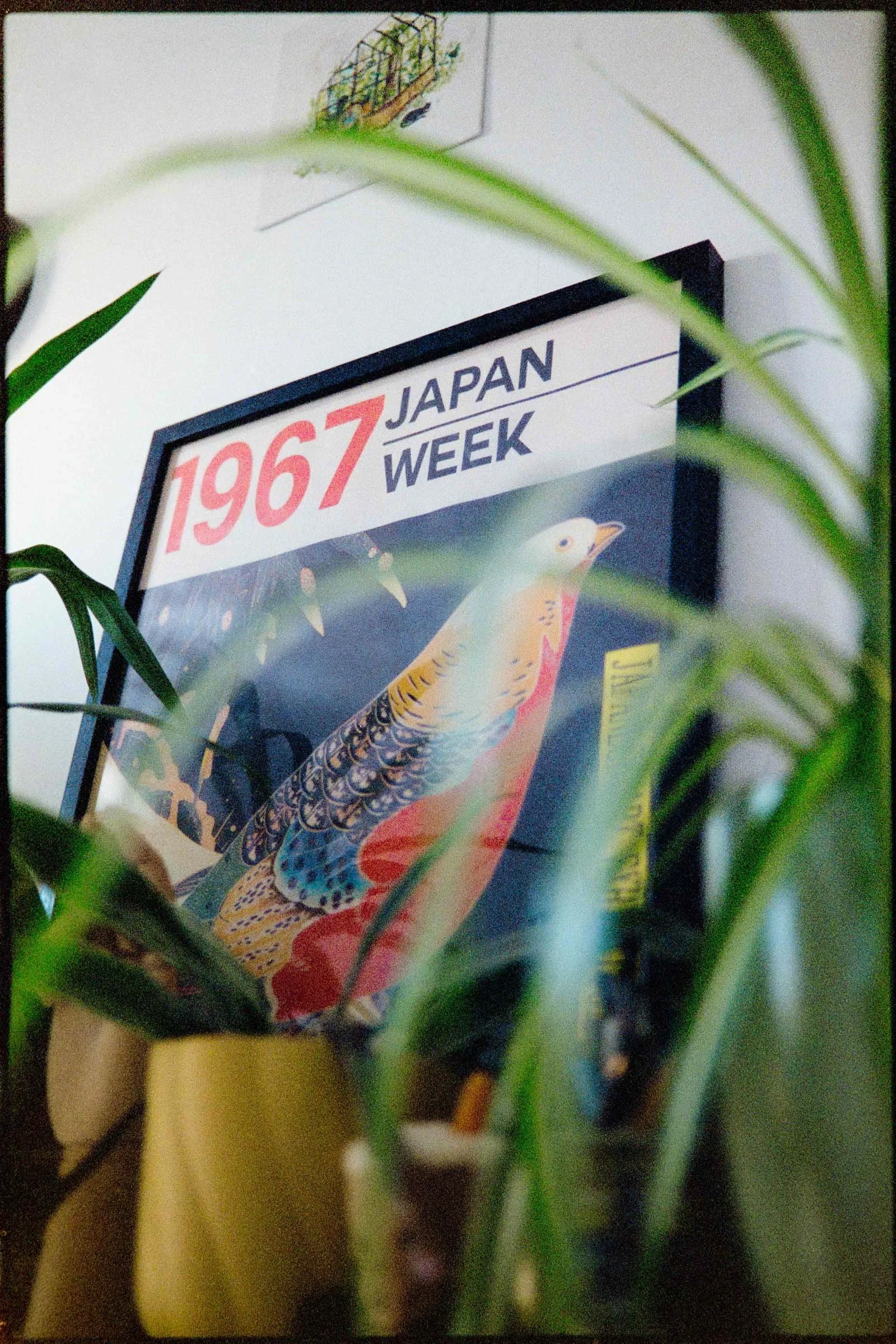
What made Pro 400H technically unique was Fujifilm's addition of a fourth cyan-sensitive emulsion layer. This extra layer significantly improved colour fidelity, especially when shooting under mixed or fluorescent lighting.
I have shot a bit of Pro 400H over the years, so I’ll be including a mix of past images alongside scans from this recent roll (the images are marked with the year the photos are taken, so you can tell which is which).
Expired in 2021, this last roll I shot performed flawlessly. Honestly, so much has been written about Pro 400H that it's hard to add anything that hasn't already been said. You can find tons of resources online with beautiful examples of this stock. If you never had the chance to shoot it before its discontinuation, the simplest way to describe it is as the only true rival to Kodak Portra 400, just with those iconic, cool Fuji greens and delicate skin tones that made it one of a kind.
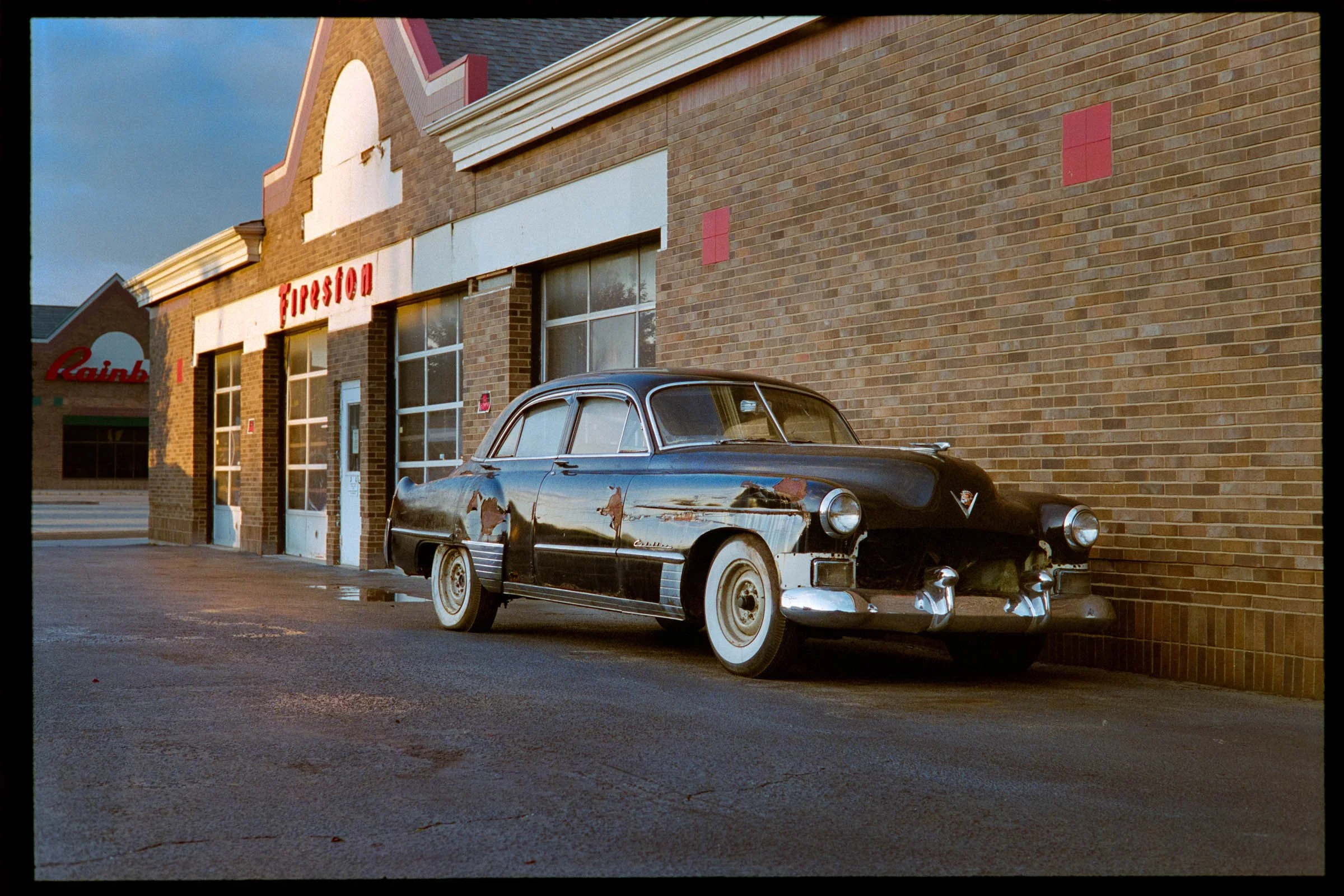
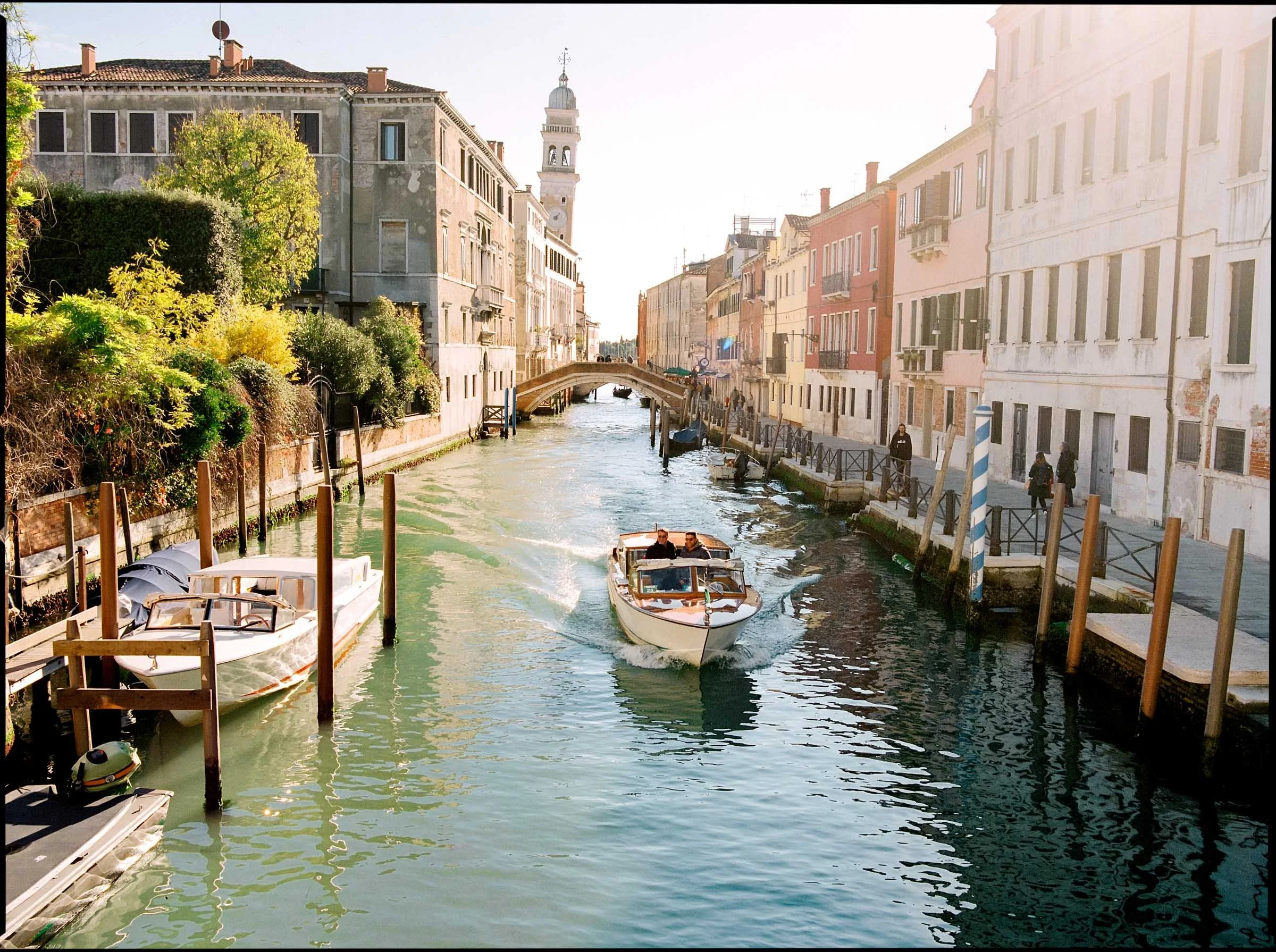
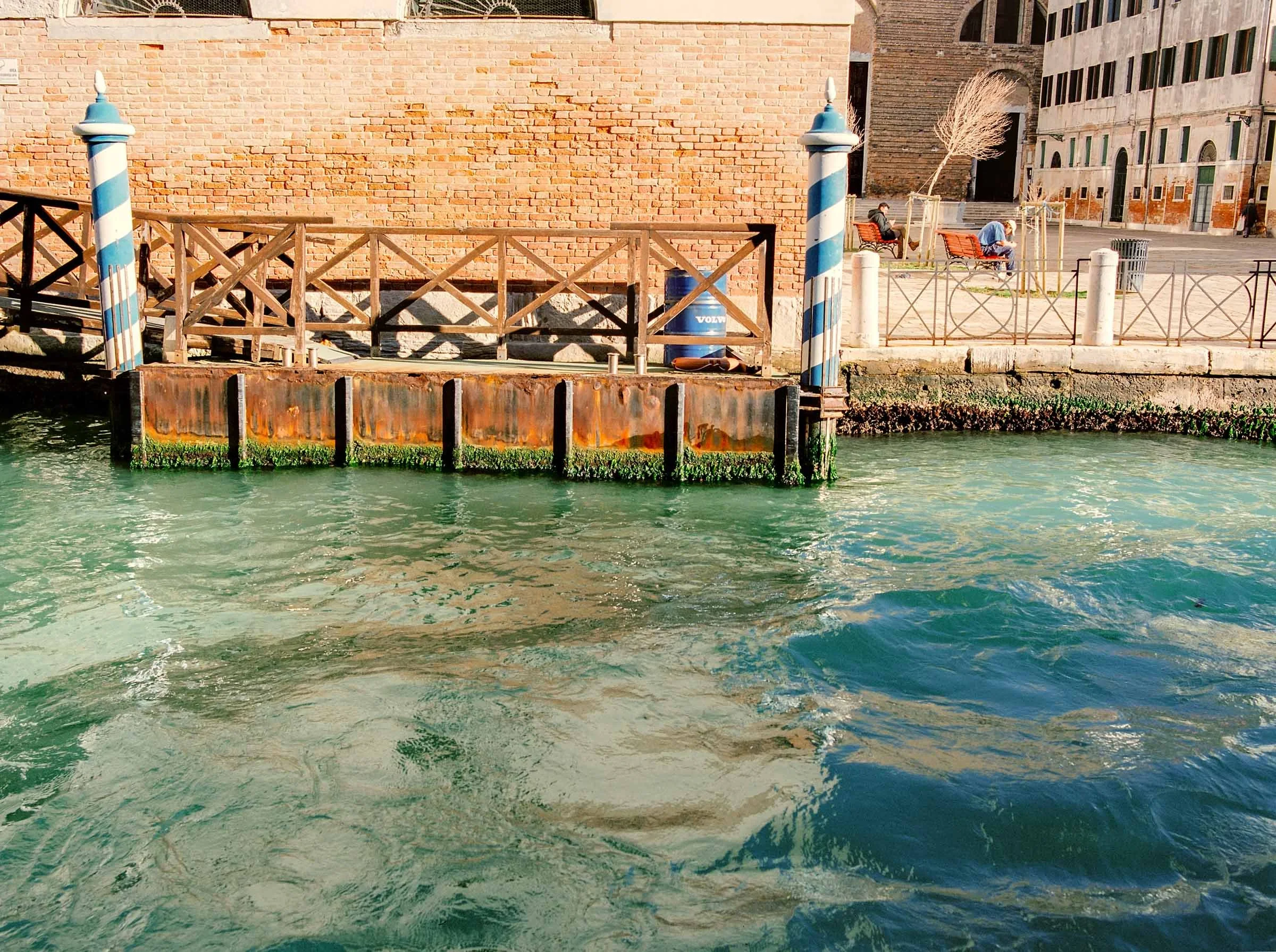
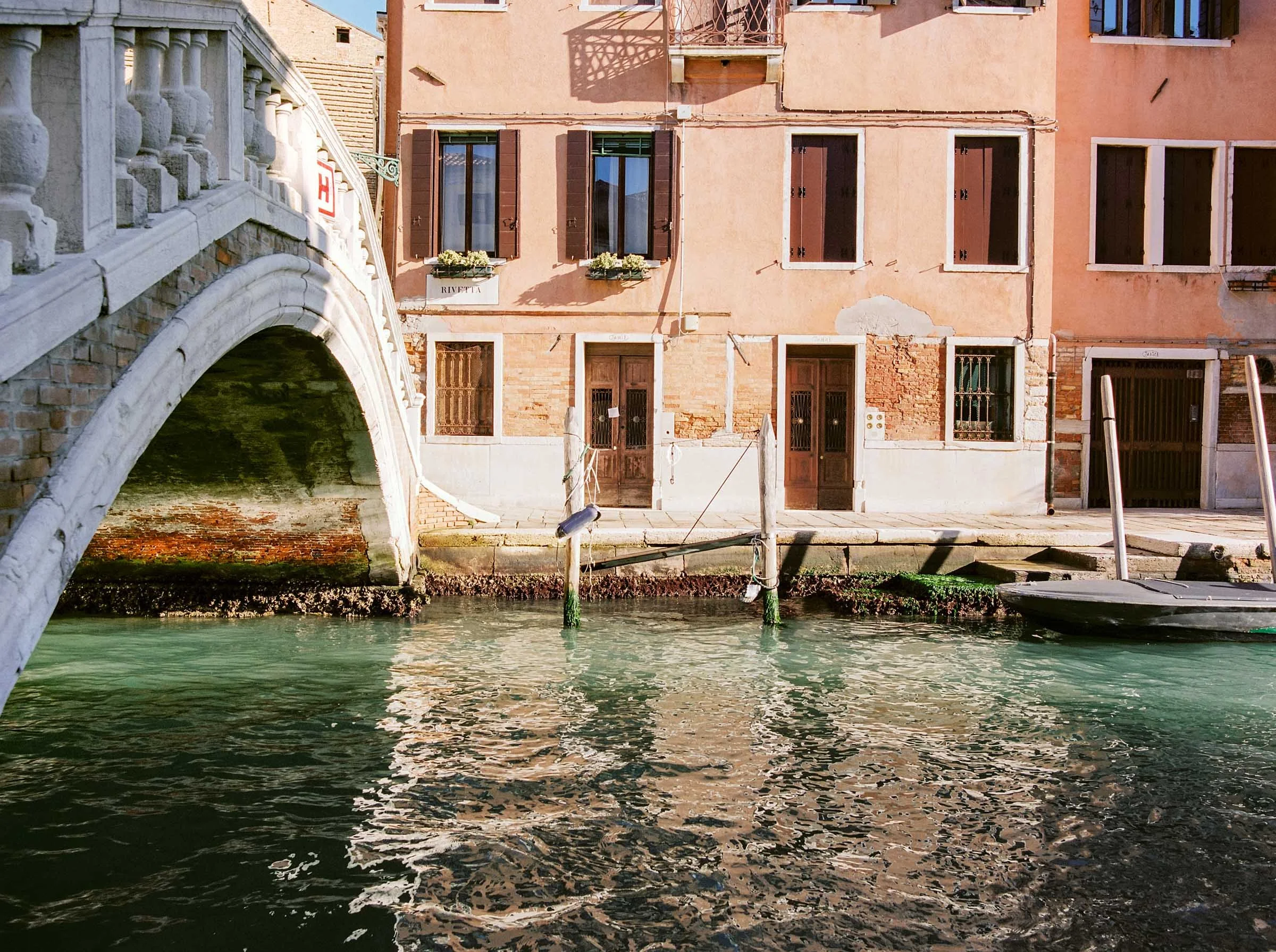
To close out the chapter with a bit of variety, I'll leave you with a few more frames from older rolls of 400H, with images from St. Louis taken in 2017 and Venice in 2022.





NATURA 1600
(Discontinued 2017) - Data Sheet (JP)
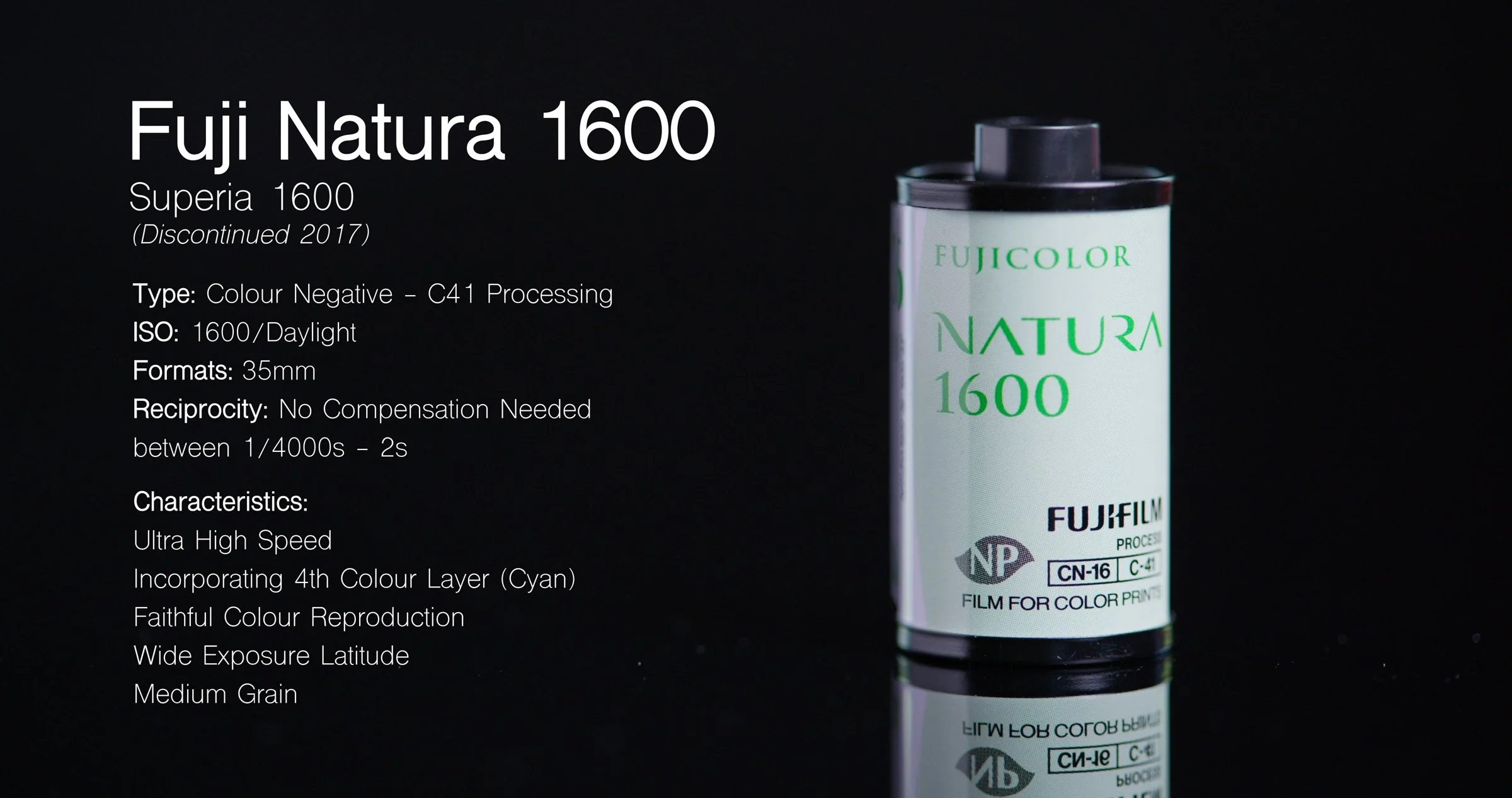
Quick note: for the longest time I thought there was no data sheet published for this film, but it turns out there is one buried deep in the Fuji archives. It exists solely in Japanese though. I will make an attempt to translate it and add it as a second link.
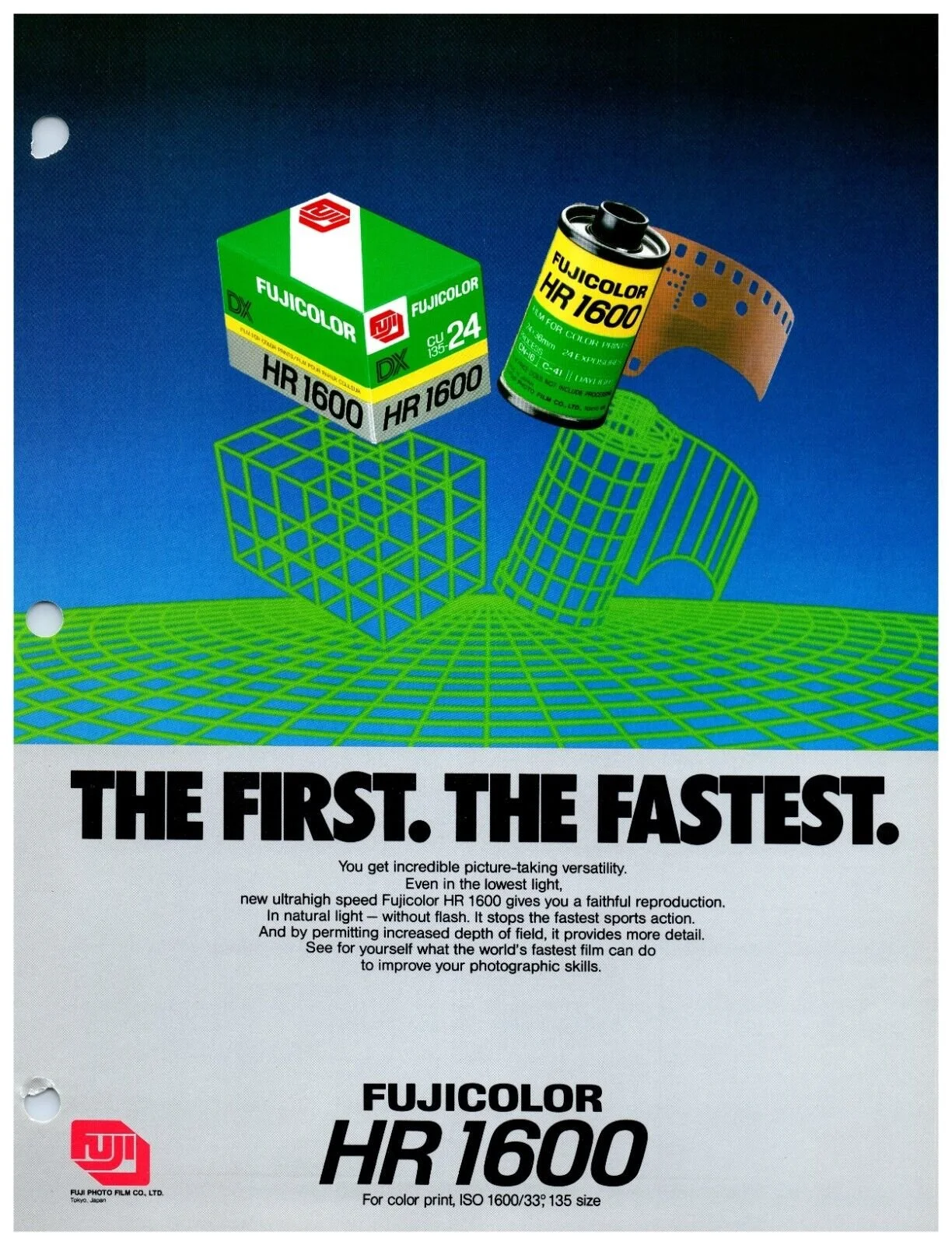
The final colour negative film is Natura 1600—a true unicorn amongst colour films, especially today when the available options cap out at ISO 800. Fujifilm pioneered high-speed colour film when they released the world’s first 1600 ISO colour negative back in 1984. Over the years, that formula evolved through several iterations, eventually becoming Superia 1600 near the end of the 1990s.
FUJICOLOR HR 1600
The first ever 1600 speed colour negative film was developed and released by Fujifillm in 1984.
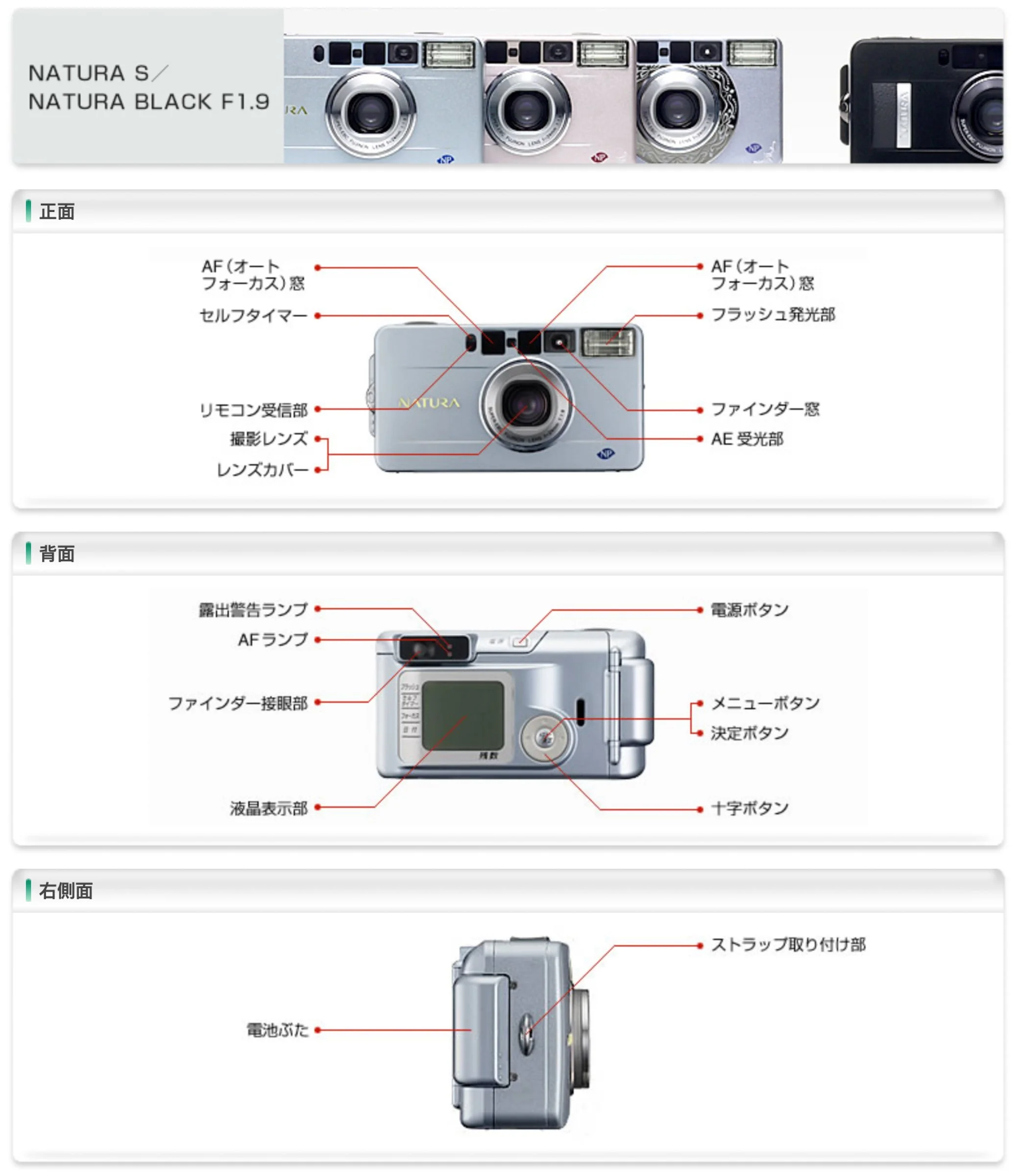
The "Natura" branding came along in 2001 with the release of the Fuji Natura S—a Japan-exclusive premium point-and-shoot featuring a fast f/1.9 wide angle lens designed to minimise the need for flash. To promote the camera’s ability to shoot in low light, Fuji rebranded Superia 1600 as Natura 1600 for the Japanese market, while it retained the Superia name for the rest of the world. Considering its high sensitivity, Natura features remarkably well-managed grain—it can actually look surprisingly smooth if given plenty of light. True to its name, the colour palette is natural and subdued, avoiding heavy saturation or strong contrast.
FUJI NATURA S
In 2001 Fuji released a premium point-and-shoot camera featuring a 24mm wide angle lens with a very fast f/1.9 aperture.
My roll expired about 7 years ago, and it already showed signs of aging (this was a more recent purchase, and I’m not sure if the results are due to storage conditions from the previous owner or due to the fact that it’s a high speed film, which makes it prone to faster degradation). I rated it at EI 800, but in hindsight, it definitely would have benefited from another stop of overexposure. That said, the colours still held nicely and I was able to get a glimpse of it.
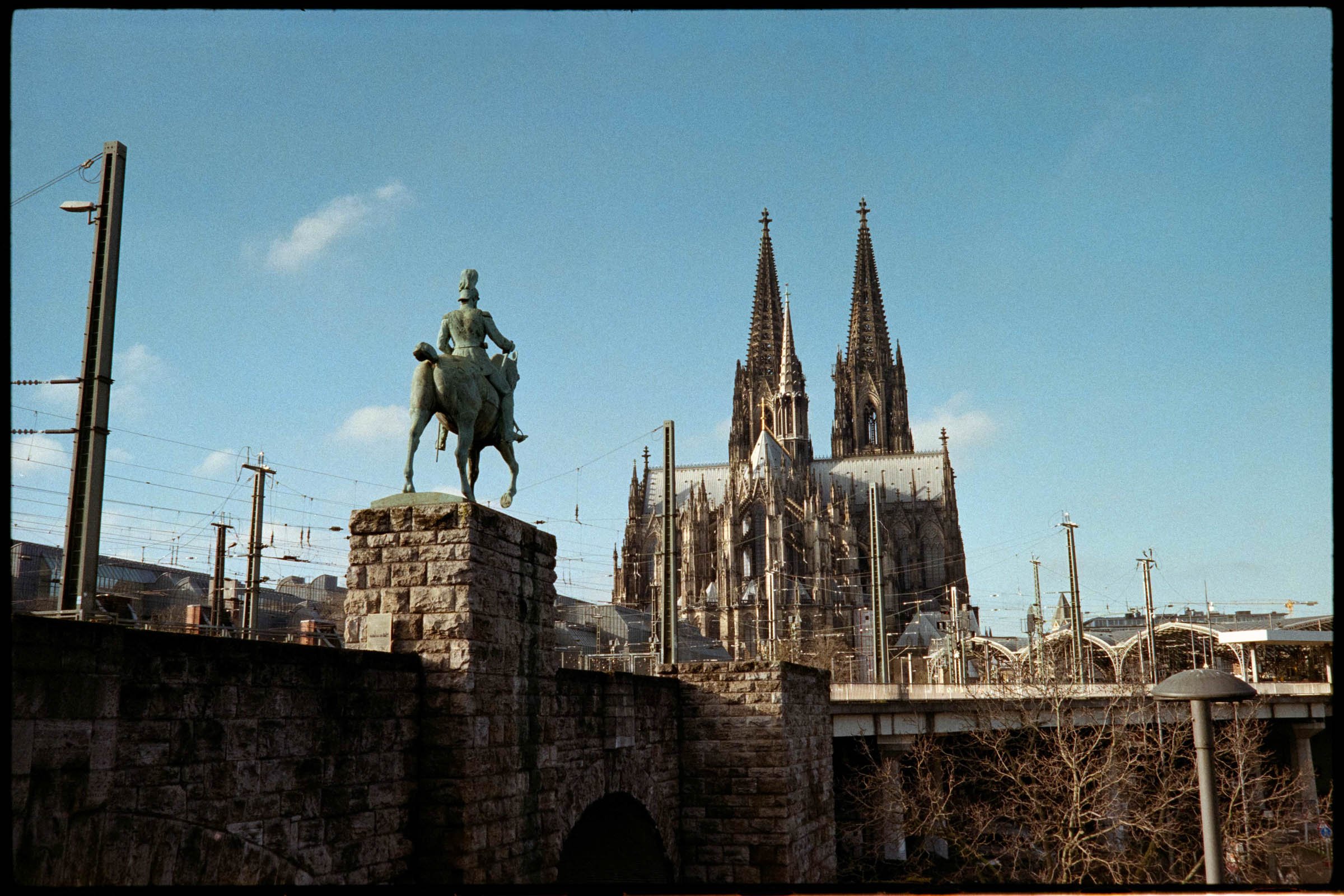
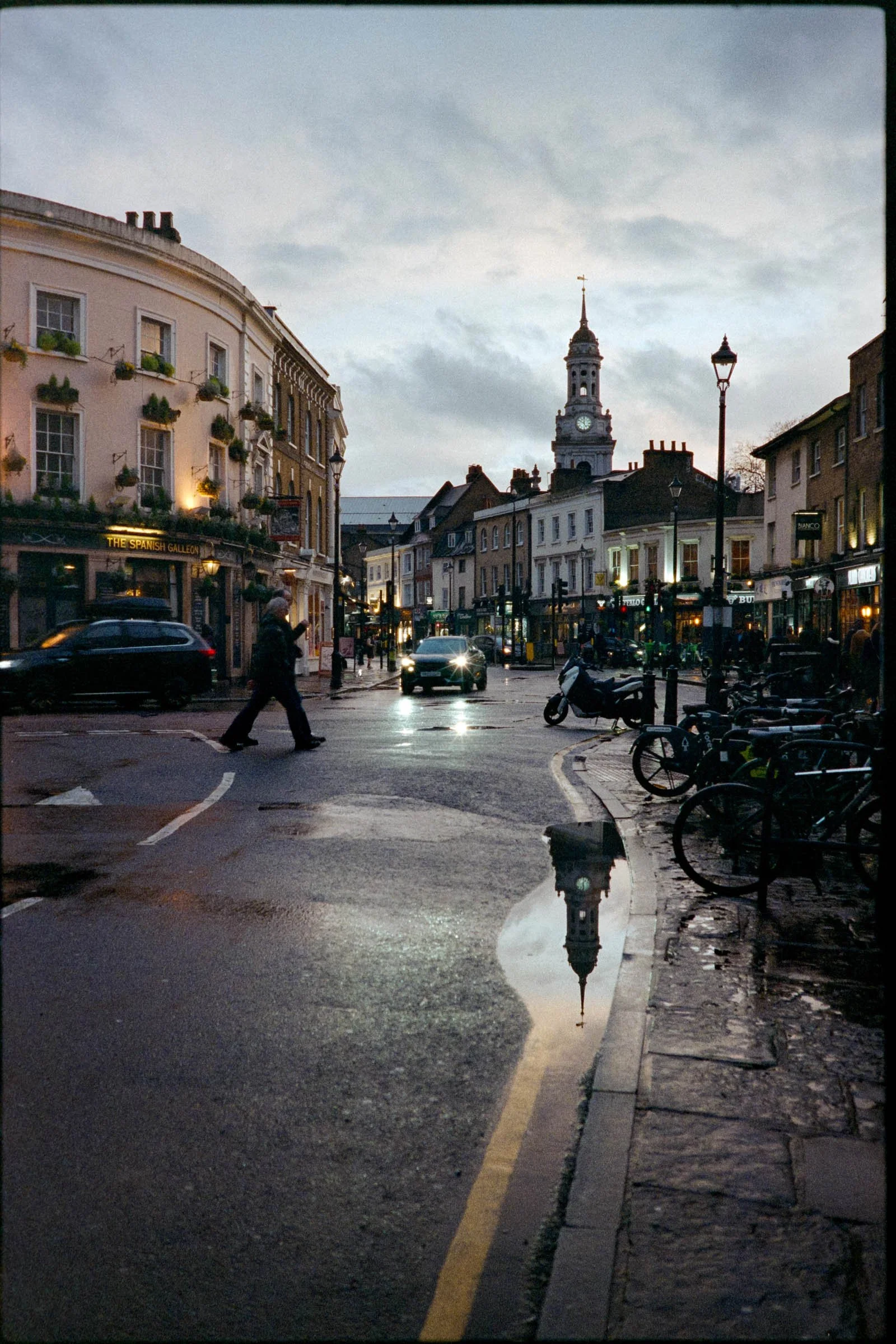
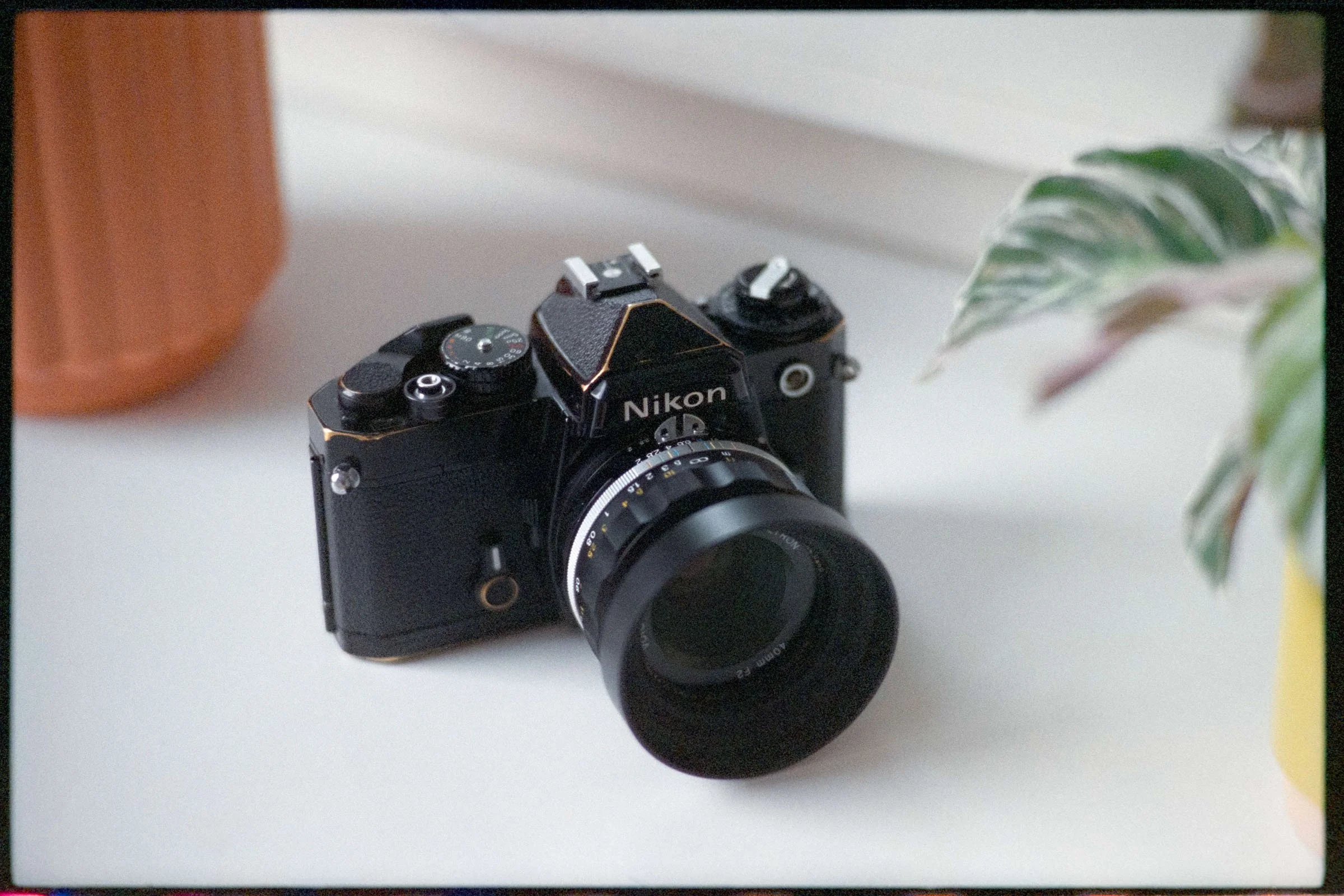
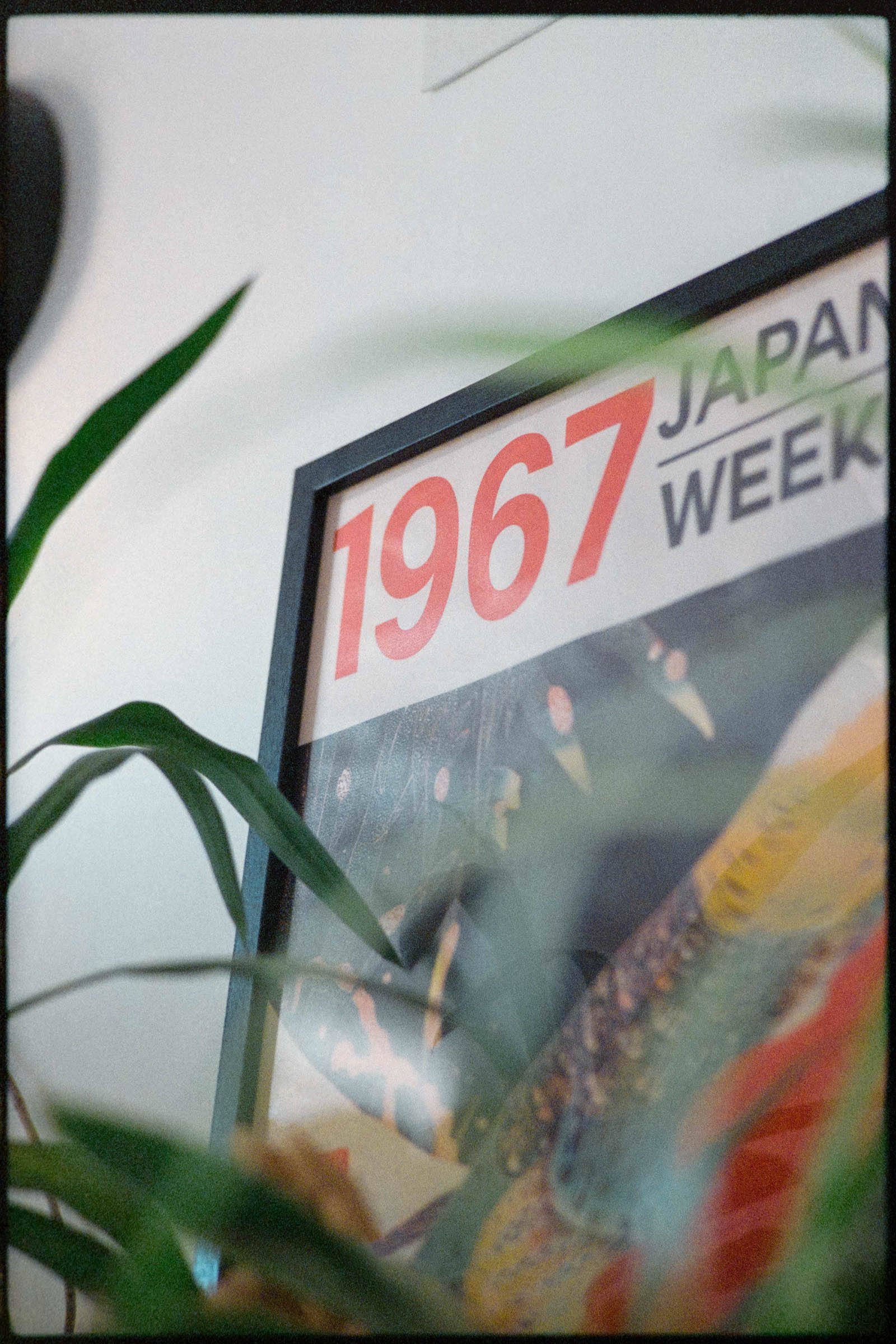


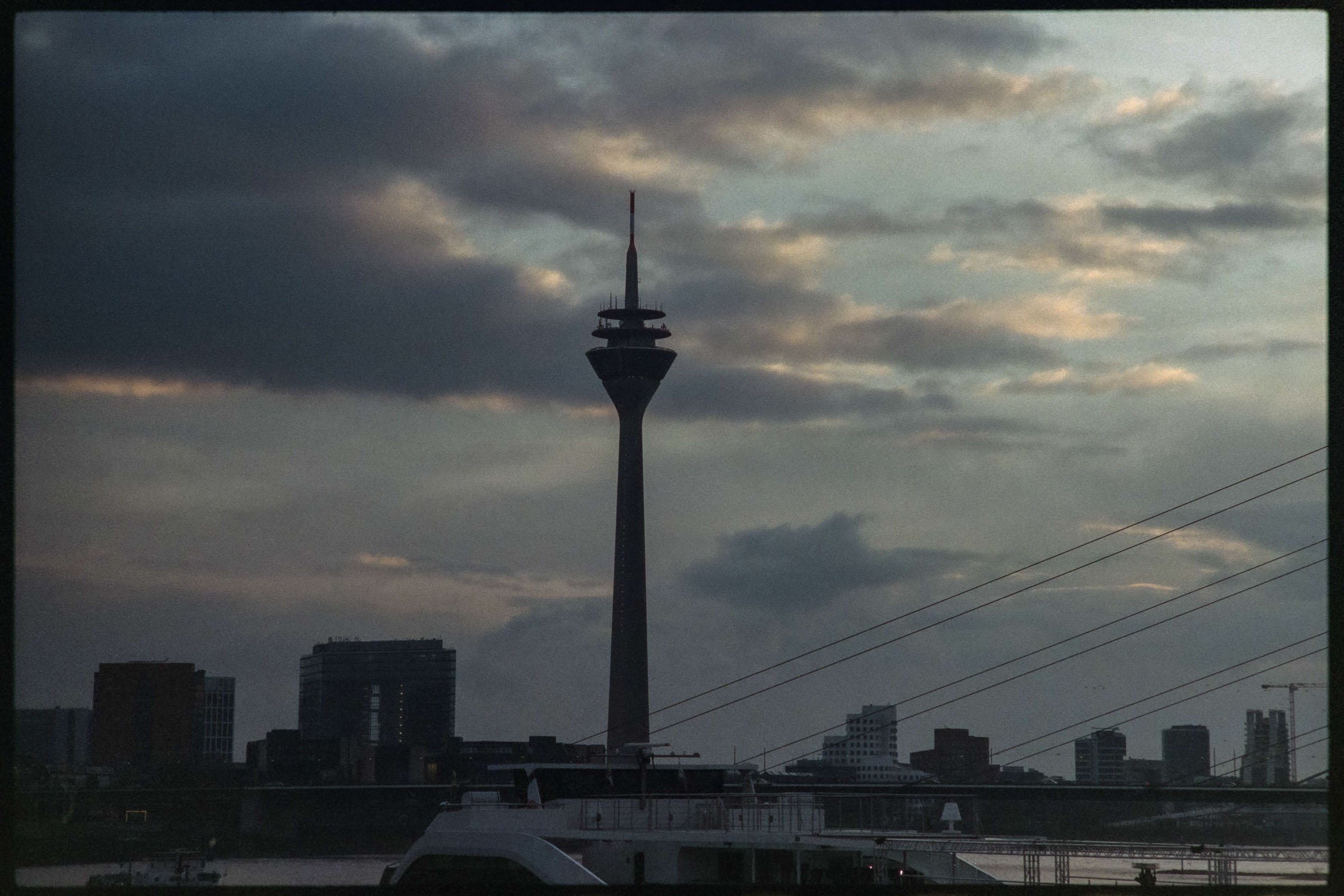
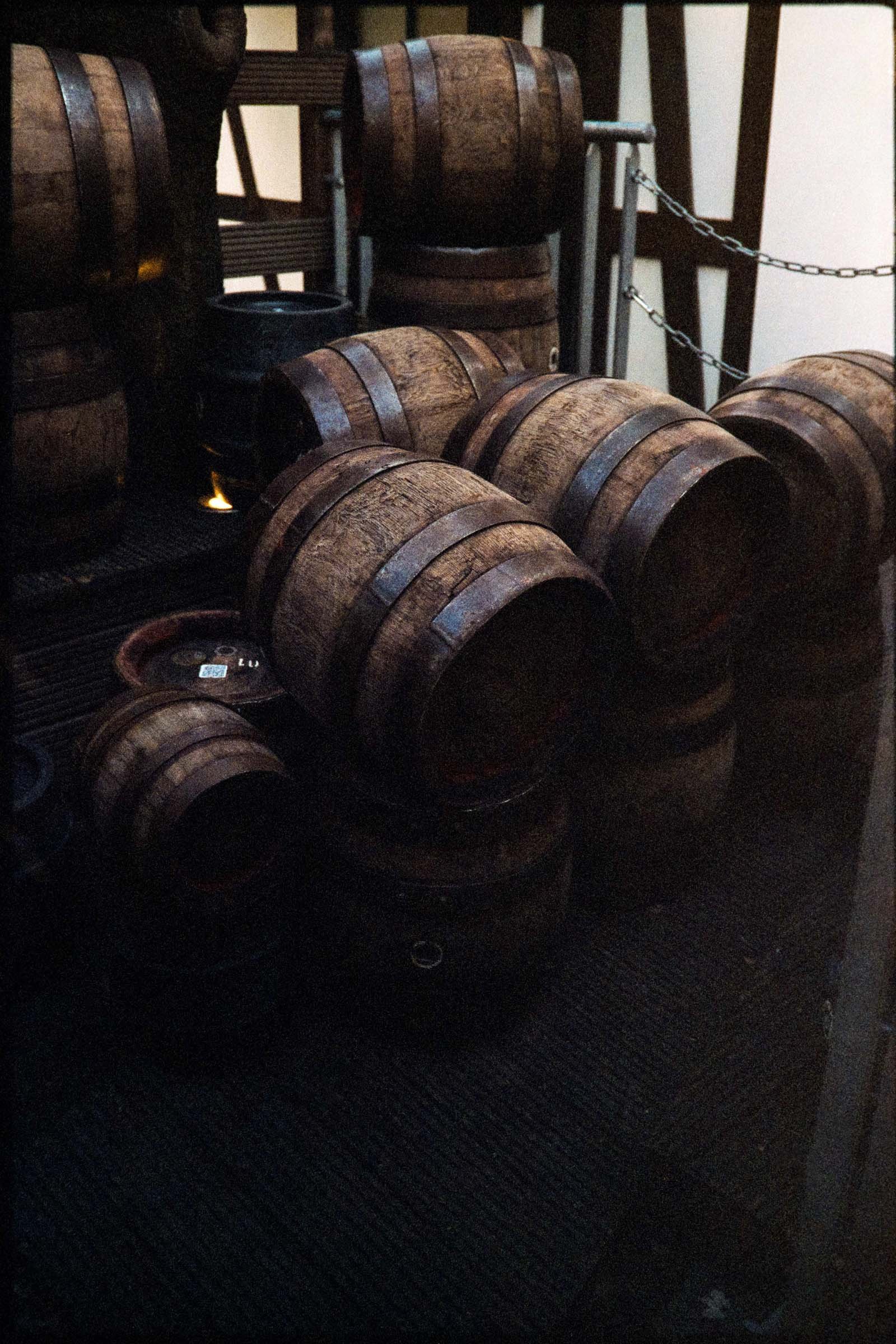
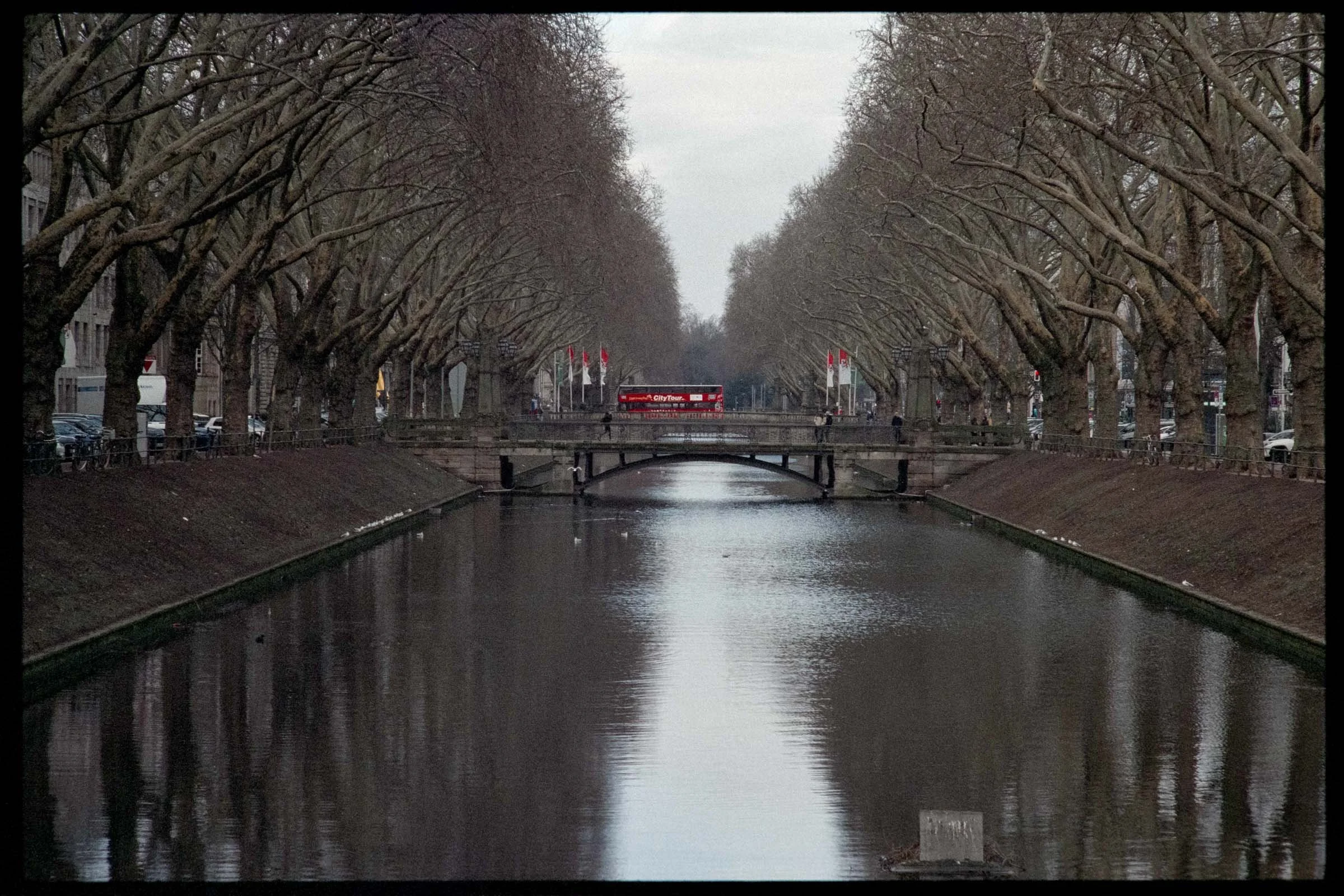
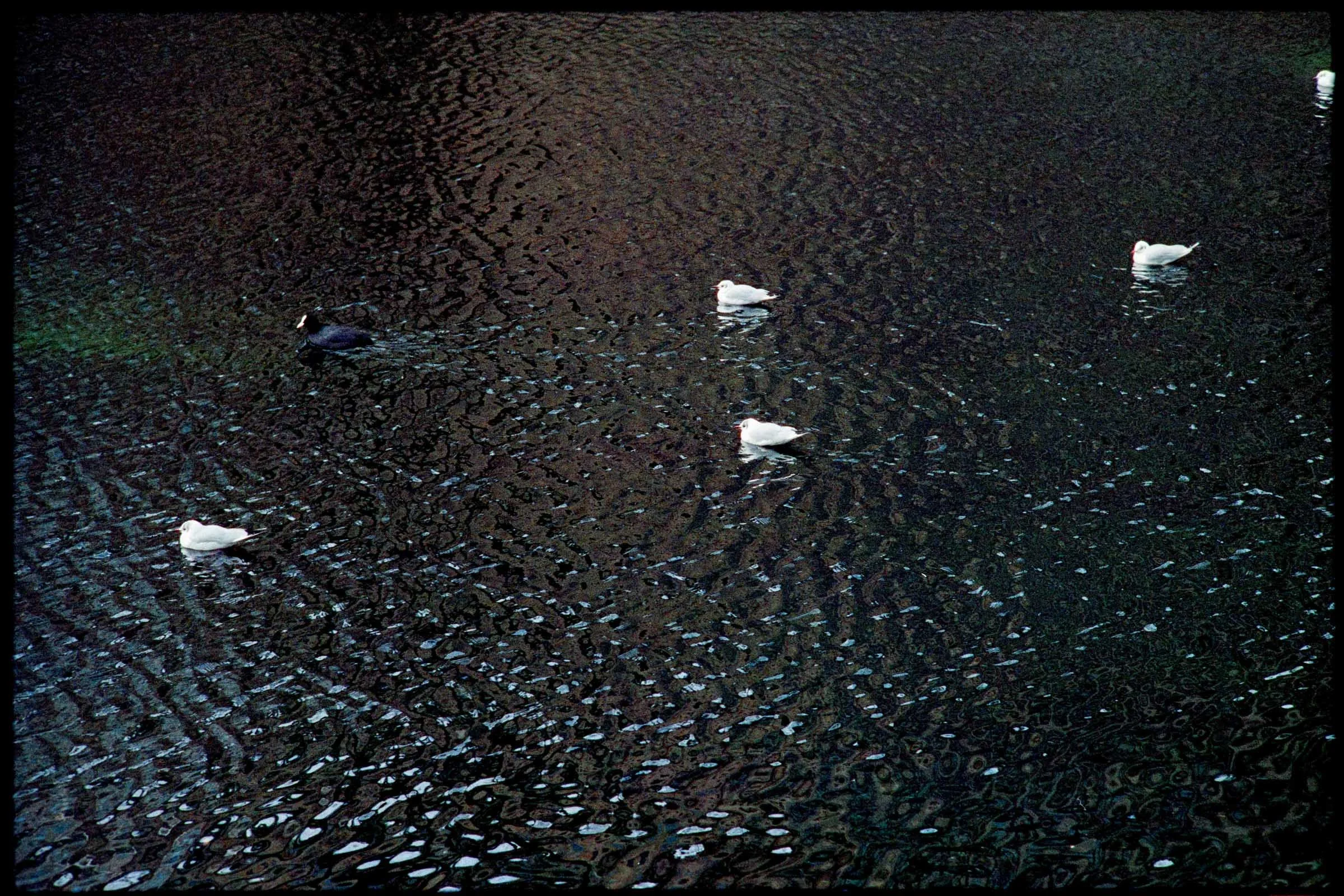
Sadly Fuji was the last film manufacturer to produce a 1600-speed colour film and since its discontinuation we don’t have any equivalent option available. Natura 1600 has reached absolute cult status, with rolls frequently listed online for absurd prices of $75 or more.
Black & White Films
For our final chapter, we will have a look at two iconic black and white films from Fuji that are the two extremes of their range: Acros 100 and Neopan 1600.
Now, some of you will probably point out that Acros isn't technically gone, given that Fujifilm resurrected it in 2019 as Acros II. But since the film I am shooting here is the original formula, I think it fits the list of discontinued stocks.
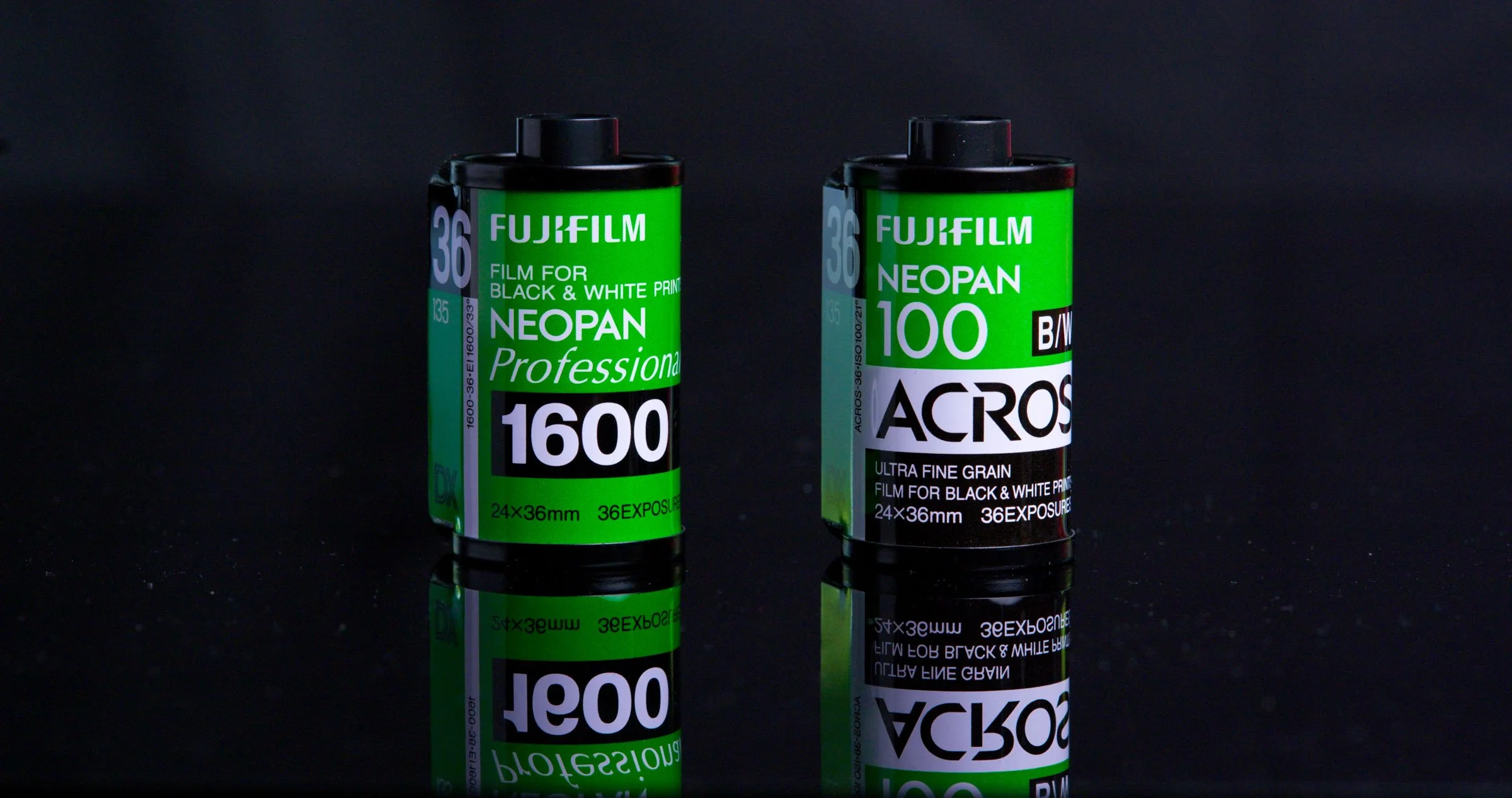
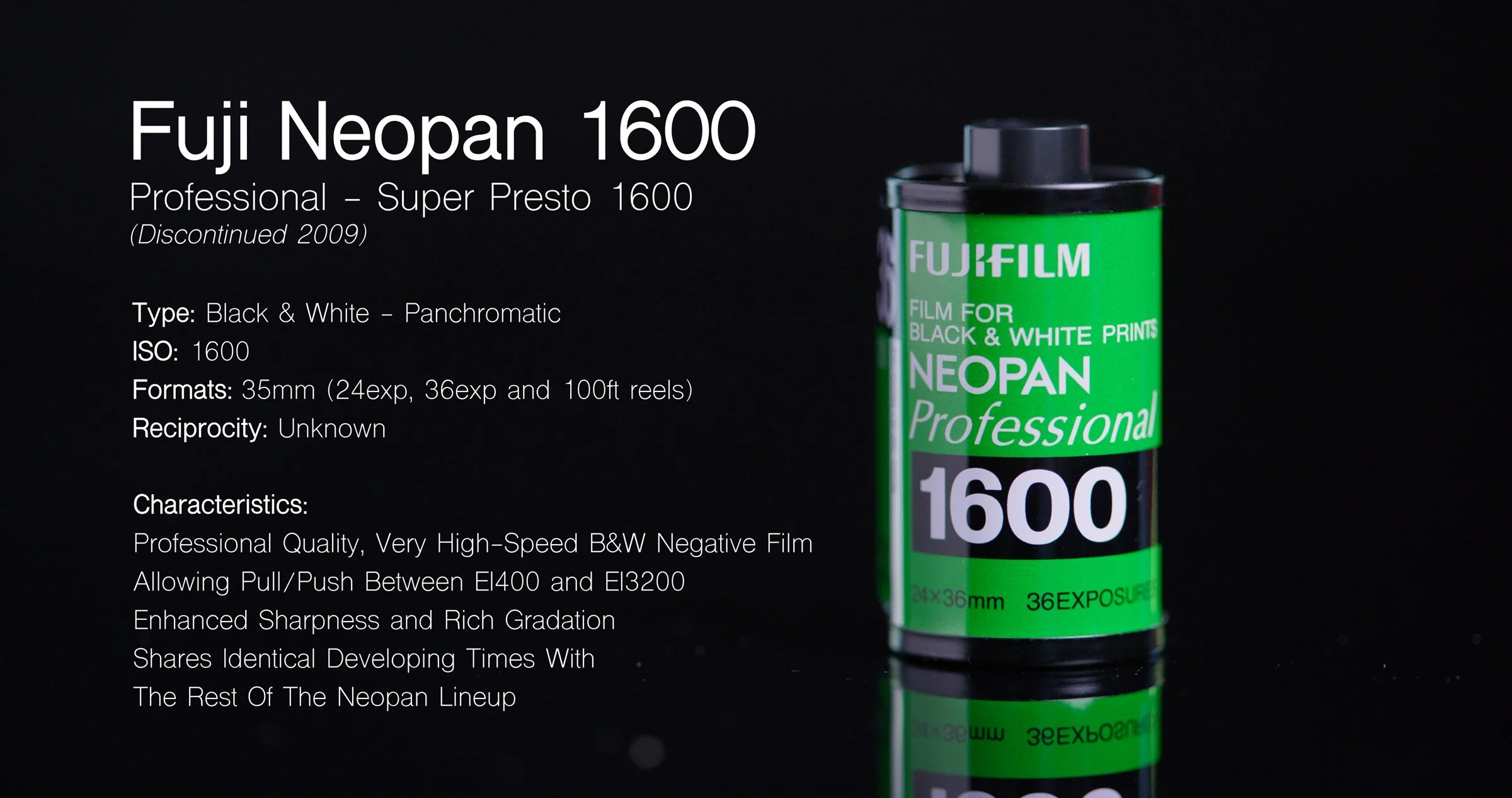
We’ll start our final chapter with a true unicorn: a native 1600 ISO black and white film. To understand why this film occupies such a special place in analog history, you have to take a look at the high-speed monochrome films that are available today. Popular options like Kodak T-Max 3200 or Ilford Delta 3200 aren't actually native 3200-speed emulsions; both have a nominal speed of ISO 1000 and are designed to be push-processed. Neopan 1600, on the other hand, stood in a league of its own with a genuine 1600 sensitivity.
First launched in the 1980s, and sold under the name "Super Presto" in Japan, it remained a staple for photojournalists, sports photographers, stage or event work and anything that required speed without compromising quality, before eventually being discontinued in 2009.
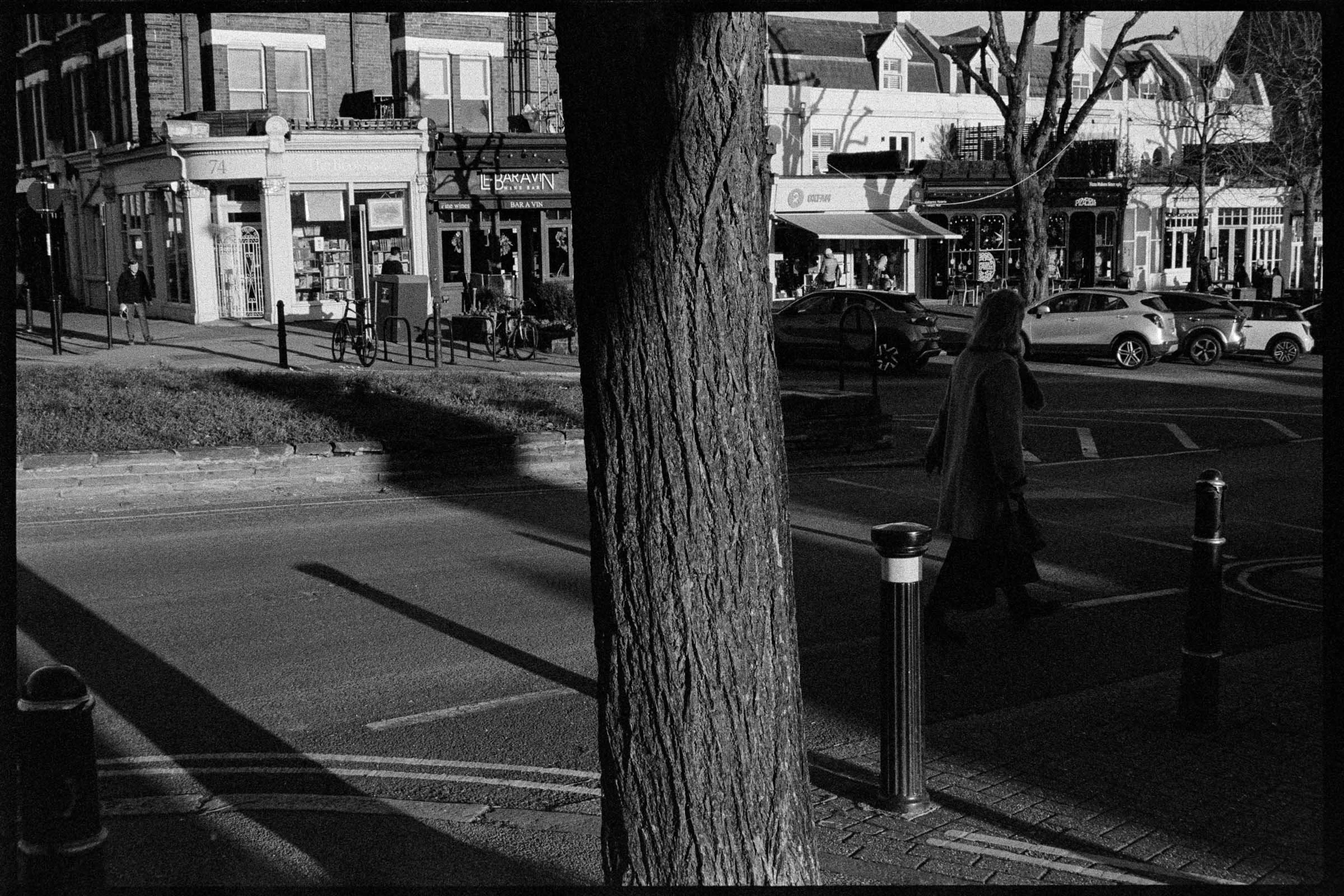
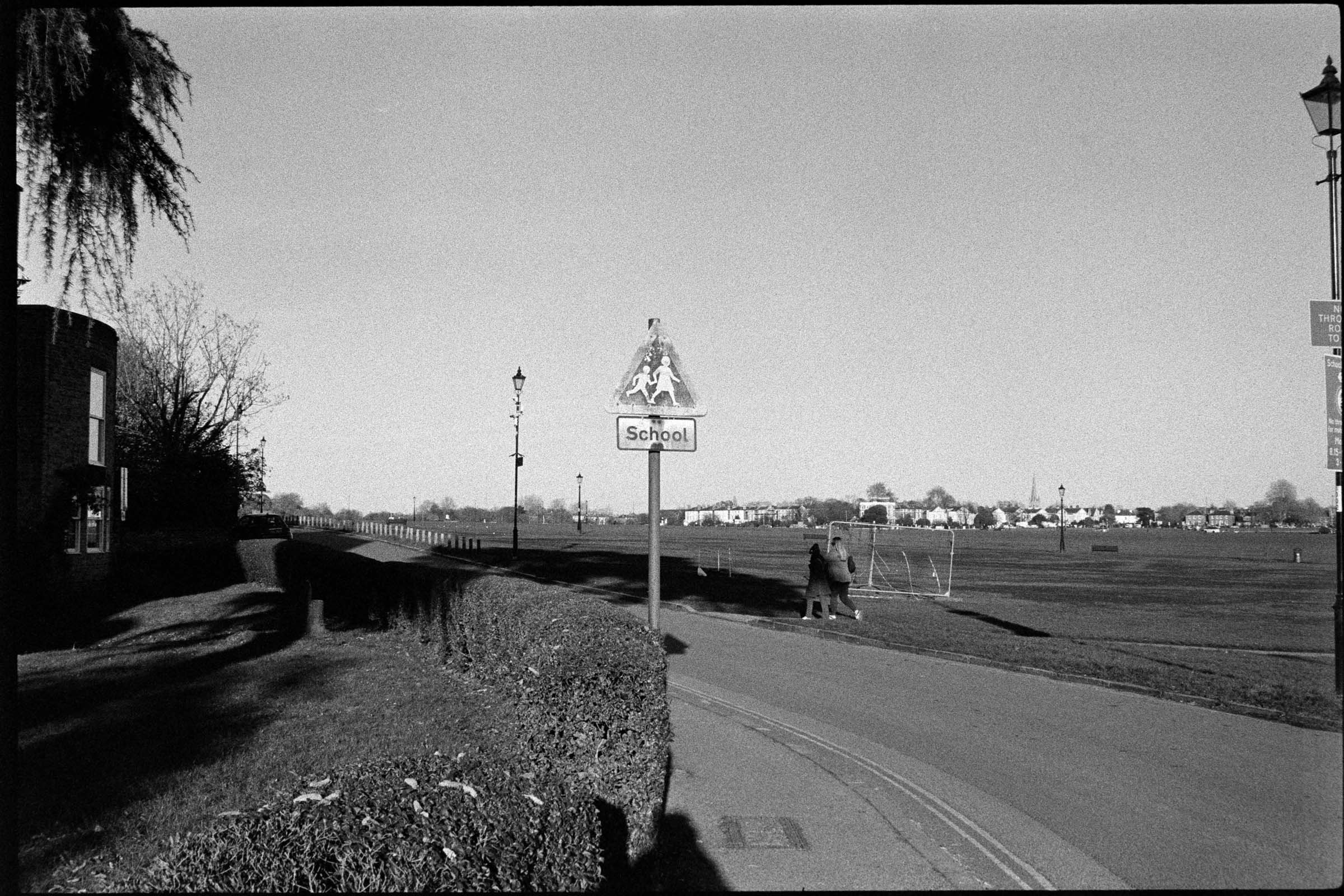
As a panchromatic, cubic-grain emulsion, it has a classic grain structure with good tonal range and rich contrast. My roll expired back in 2012 and to account for its age, I rated it at ISO 400 and developed it in Kodak D-76 for 7.5 minutes.

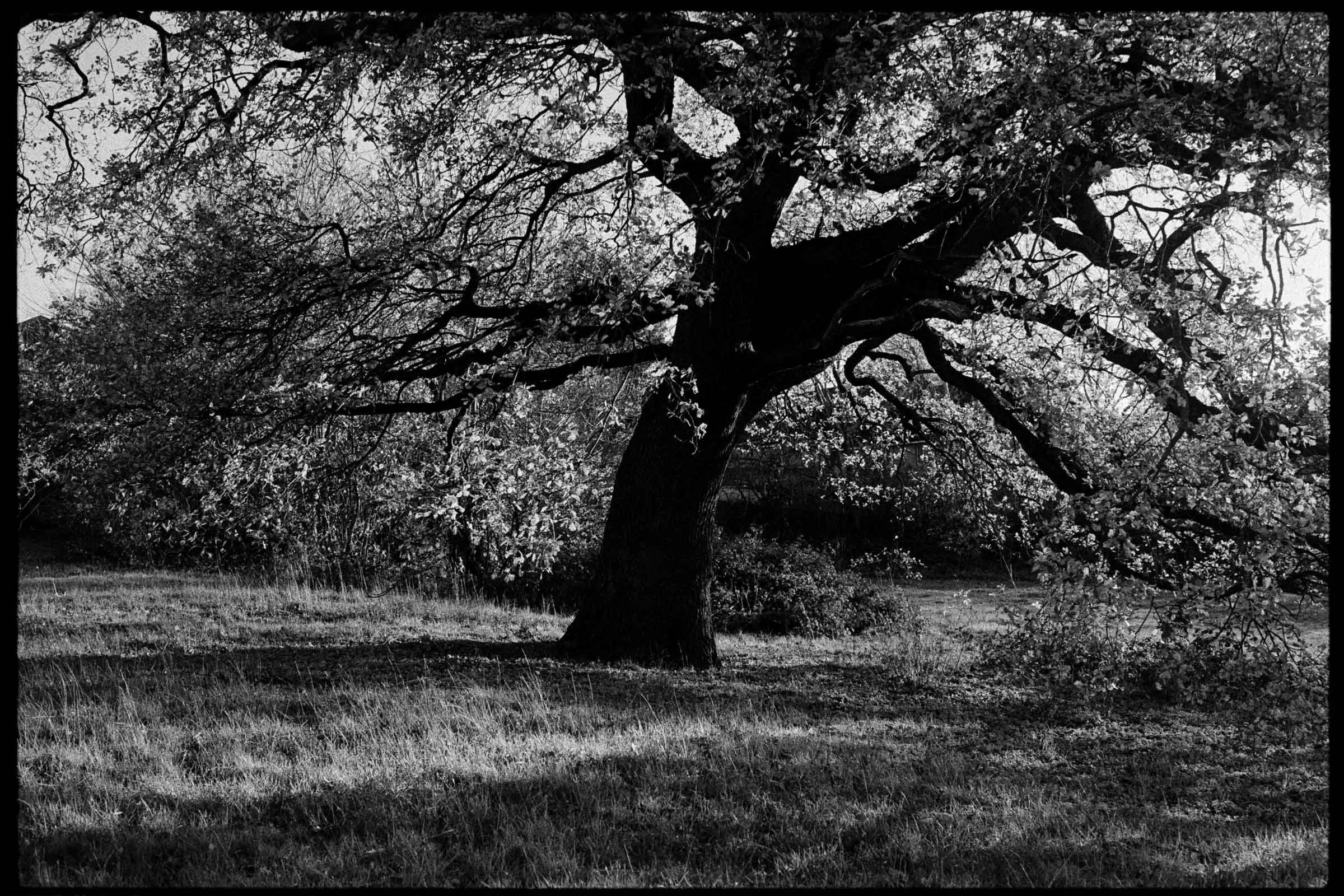

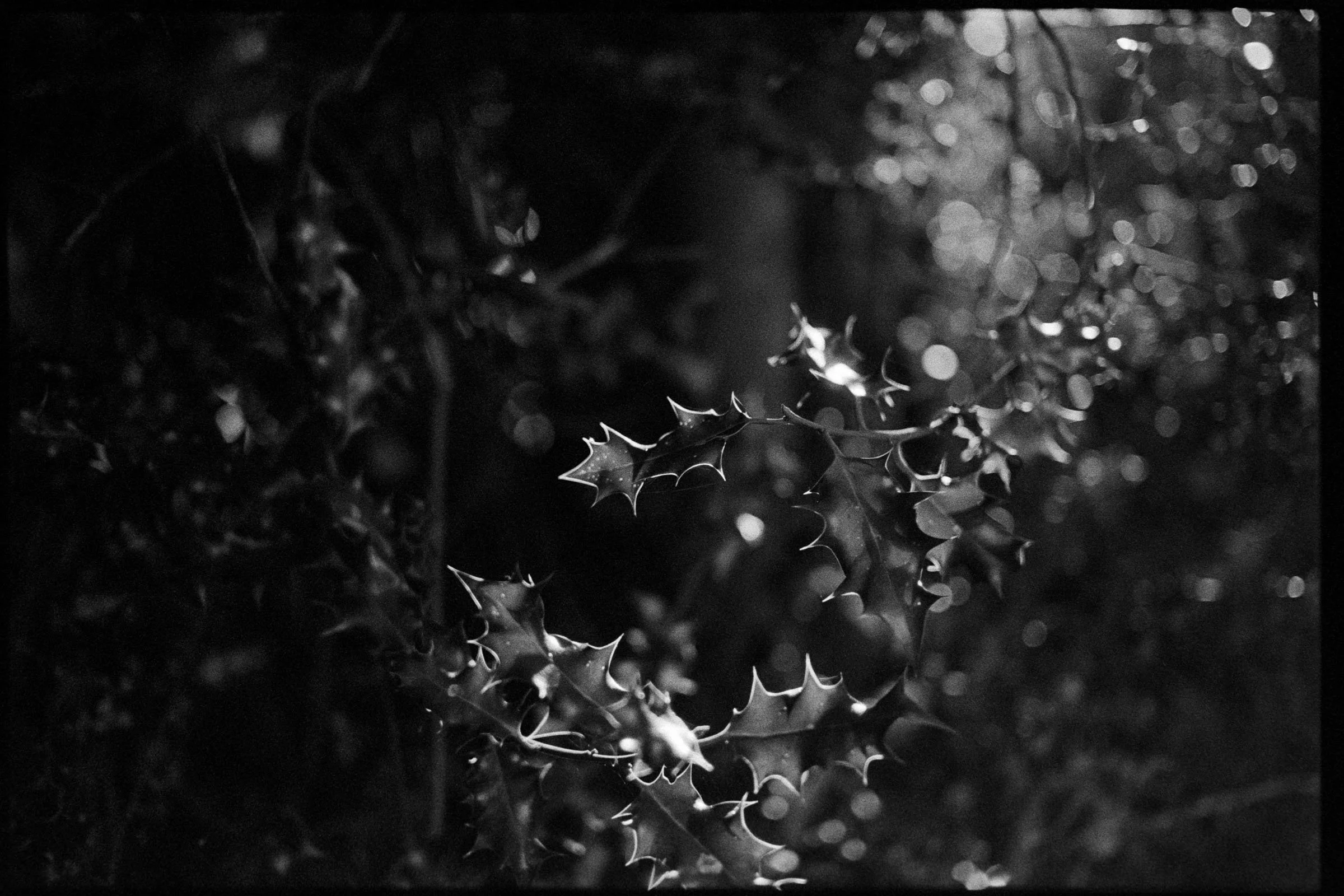
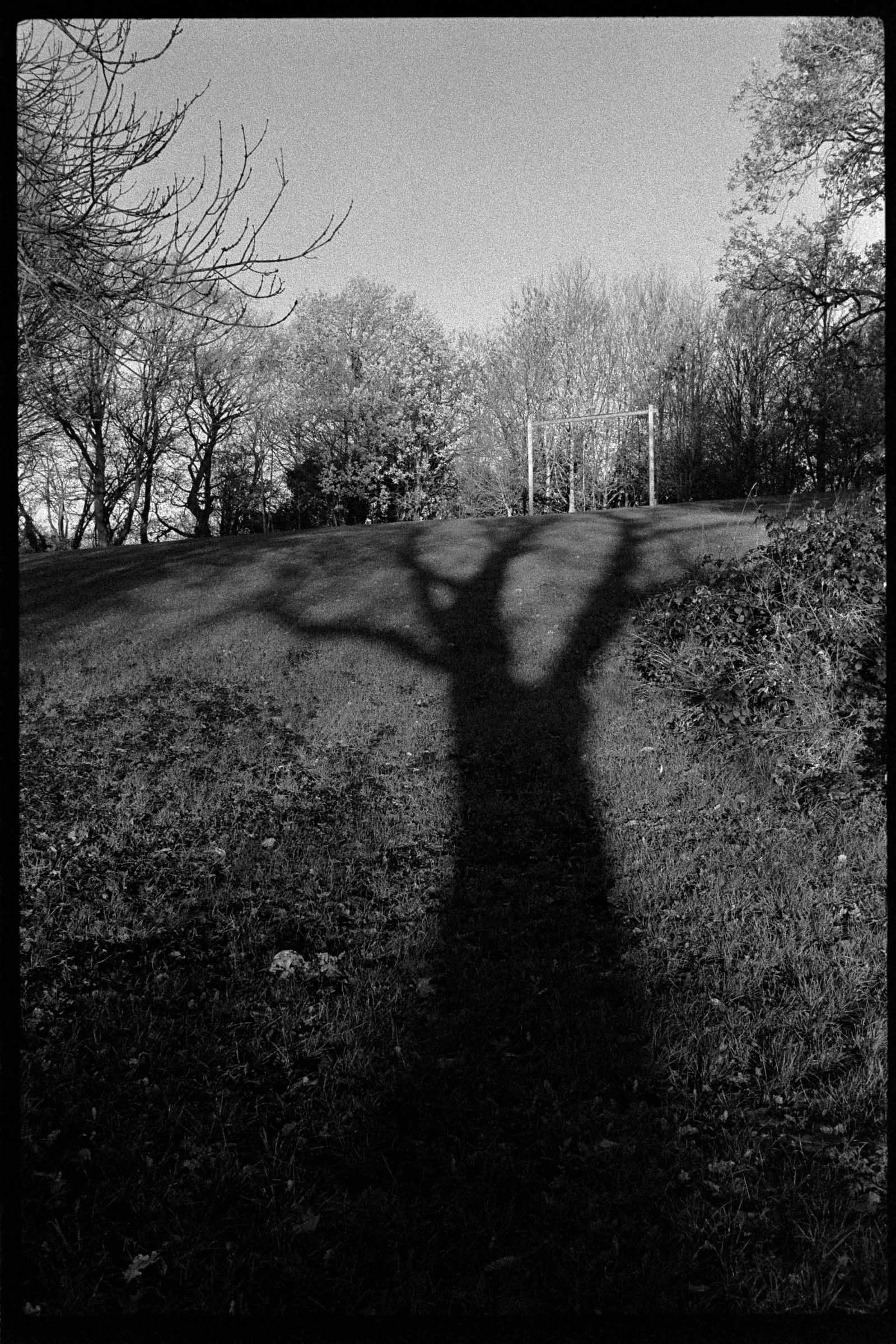
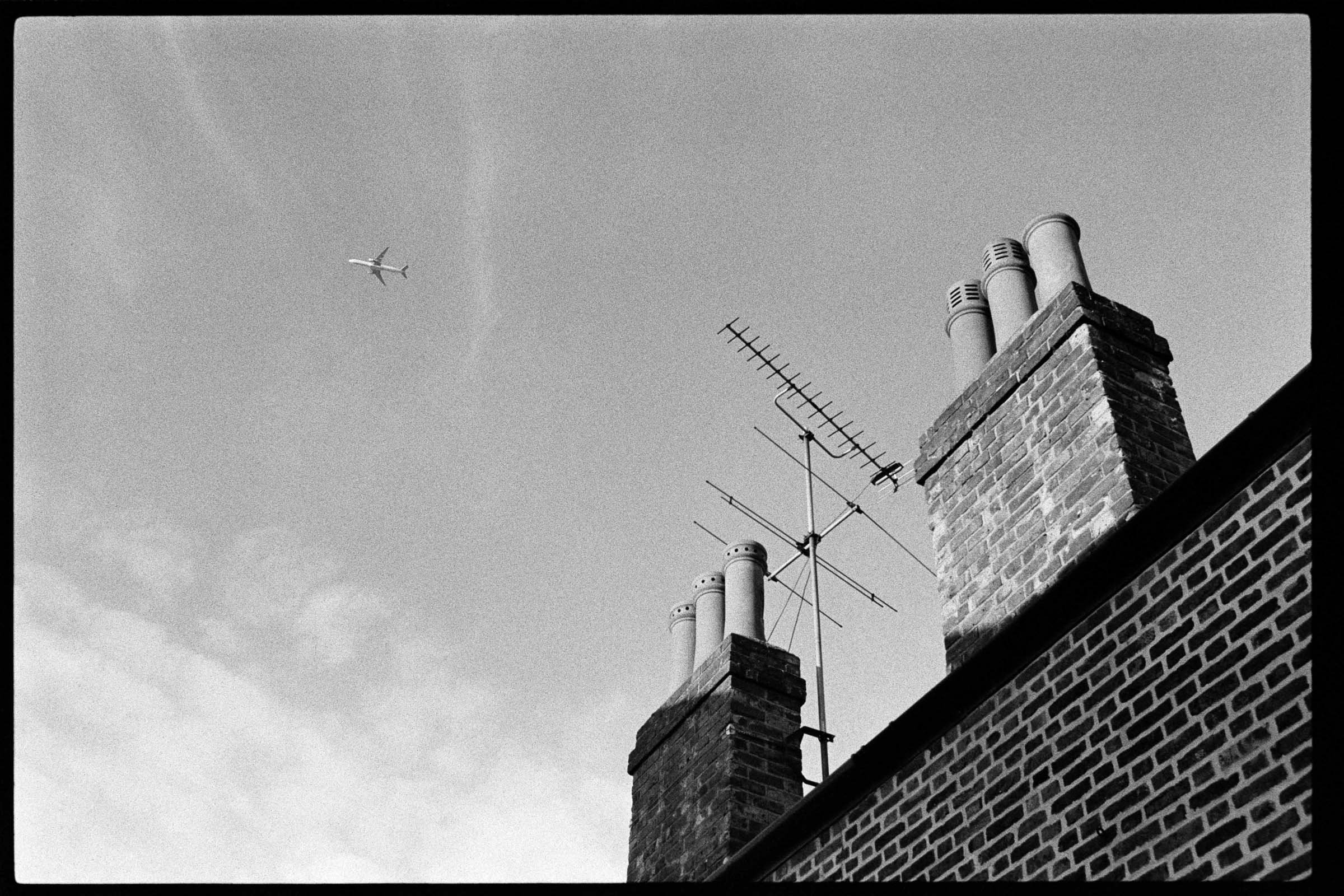
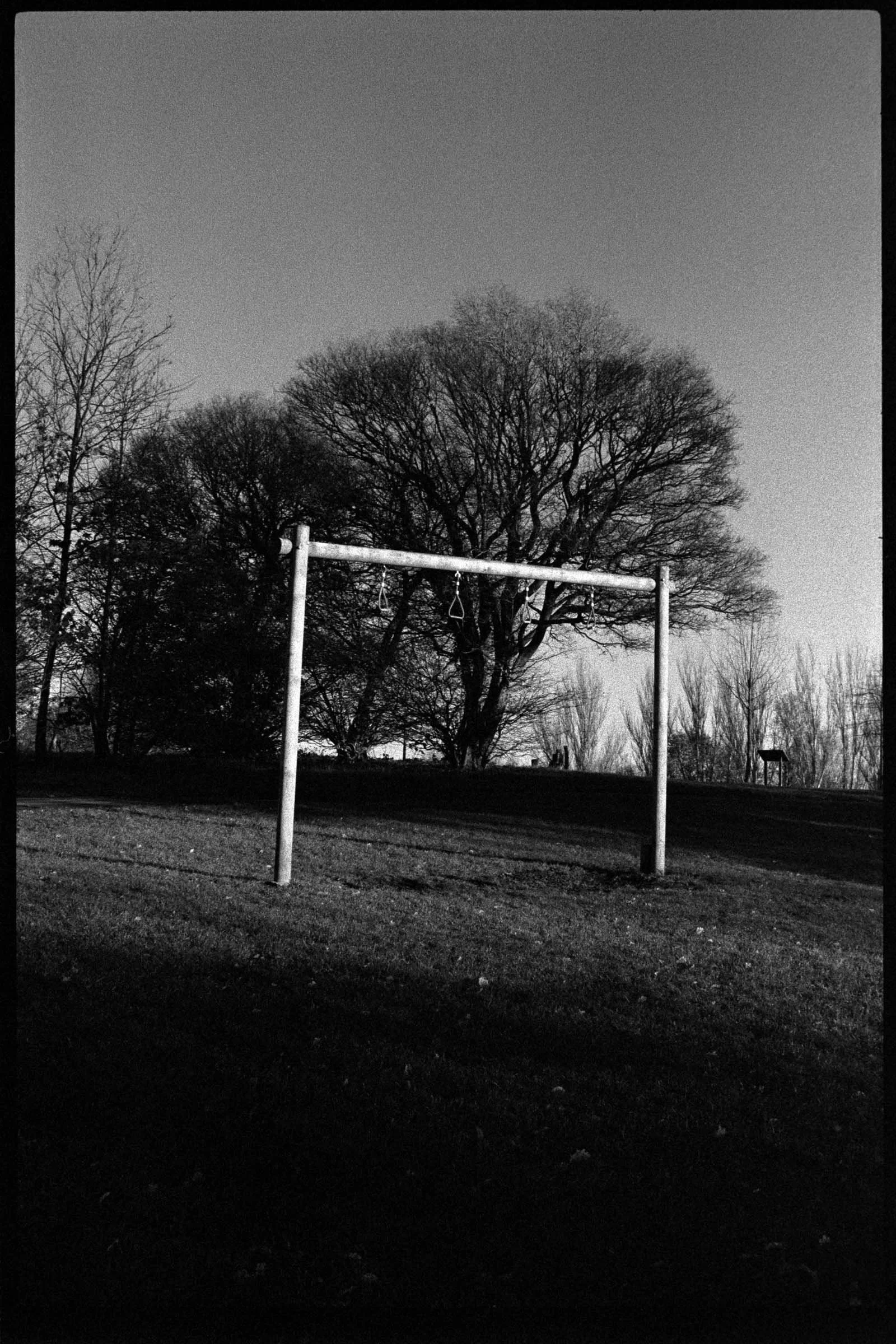
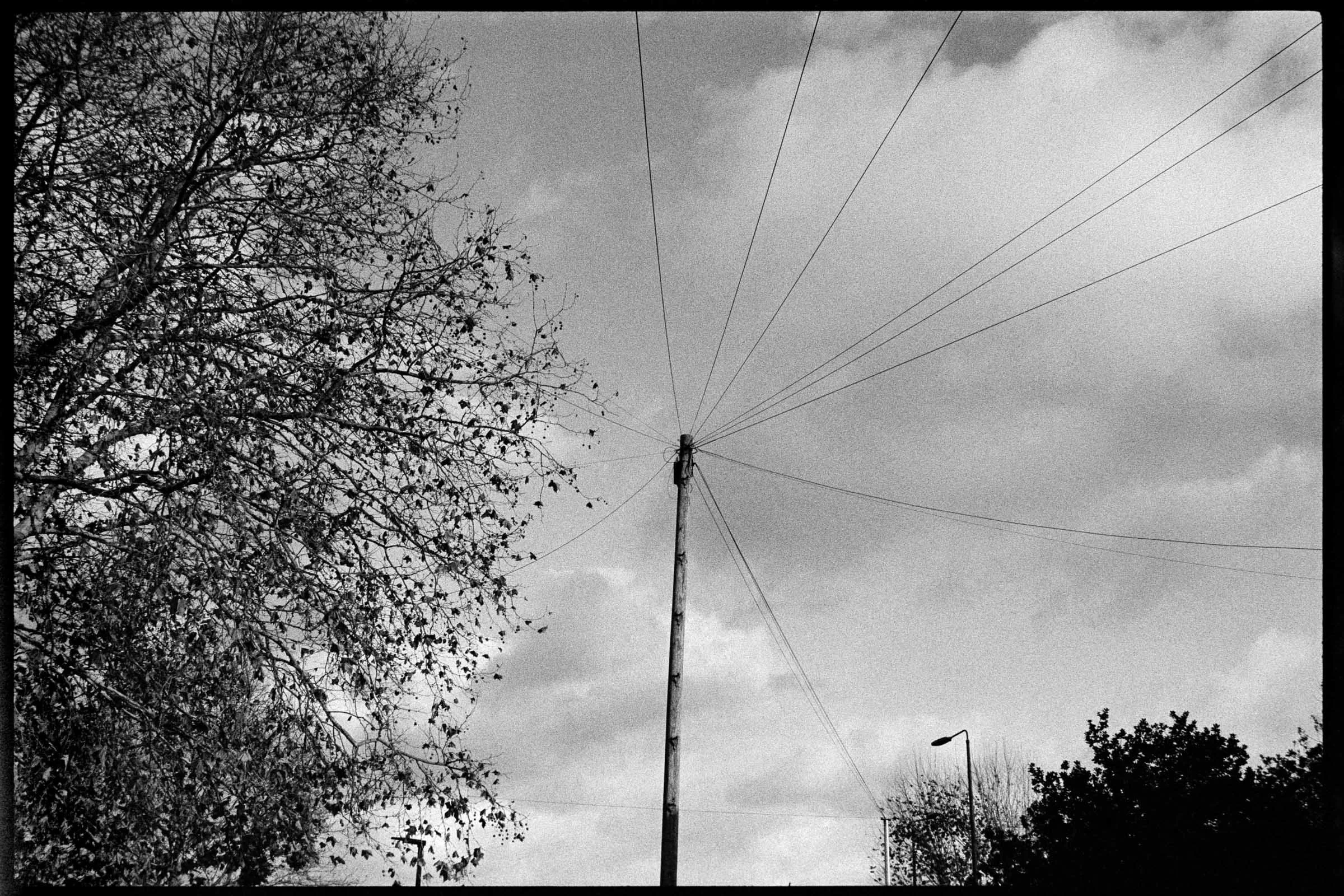
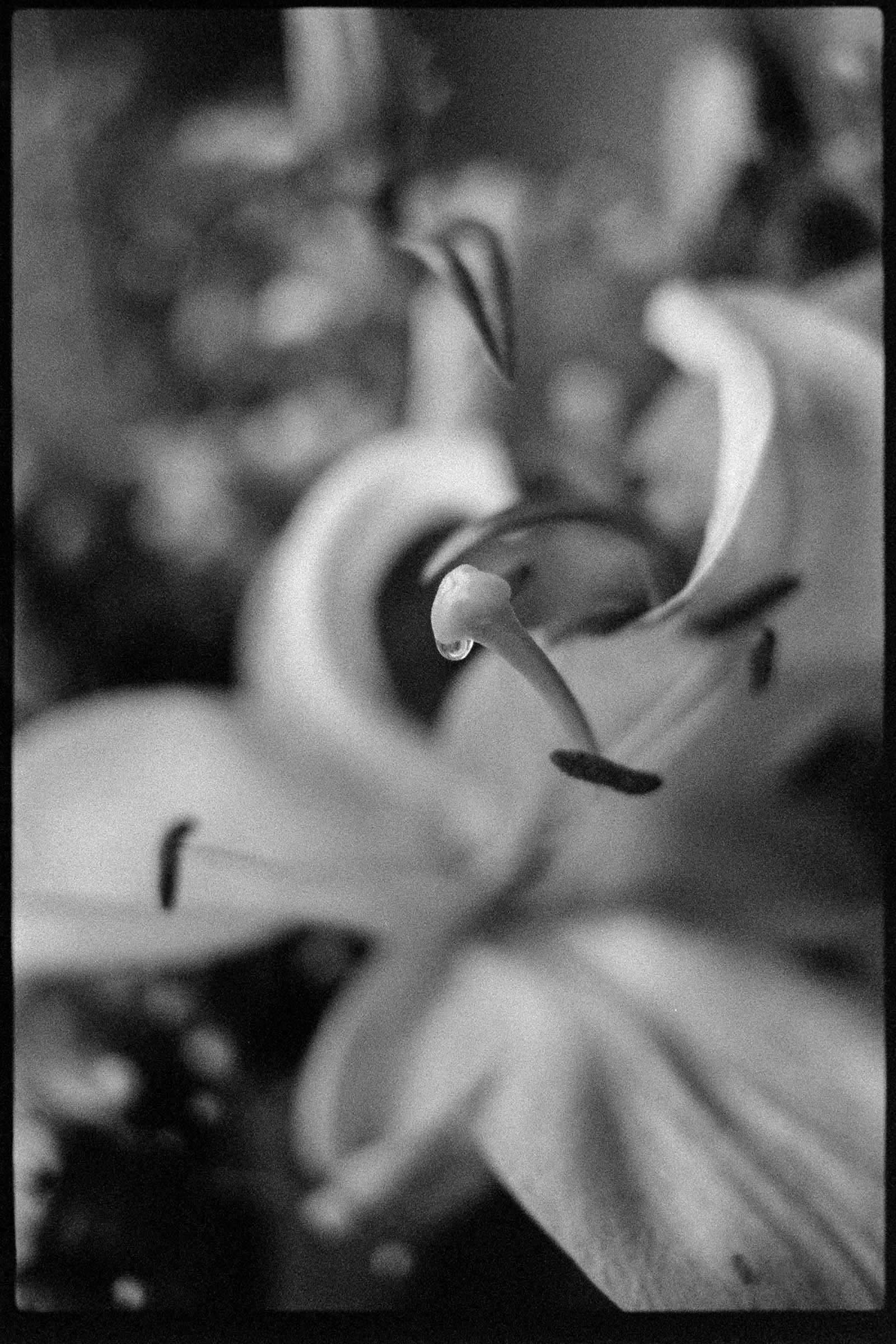
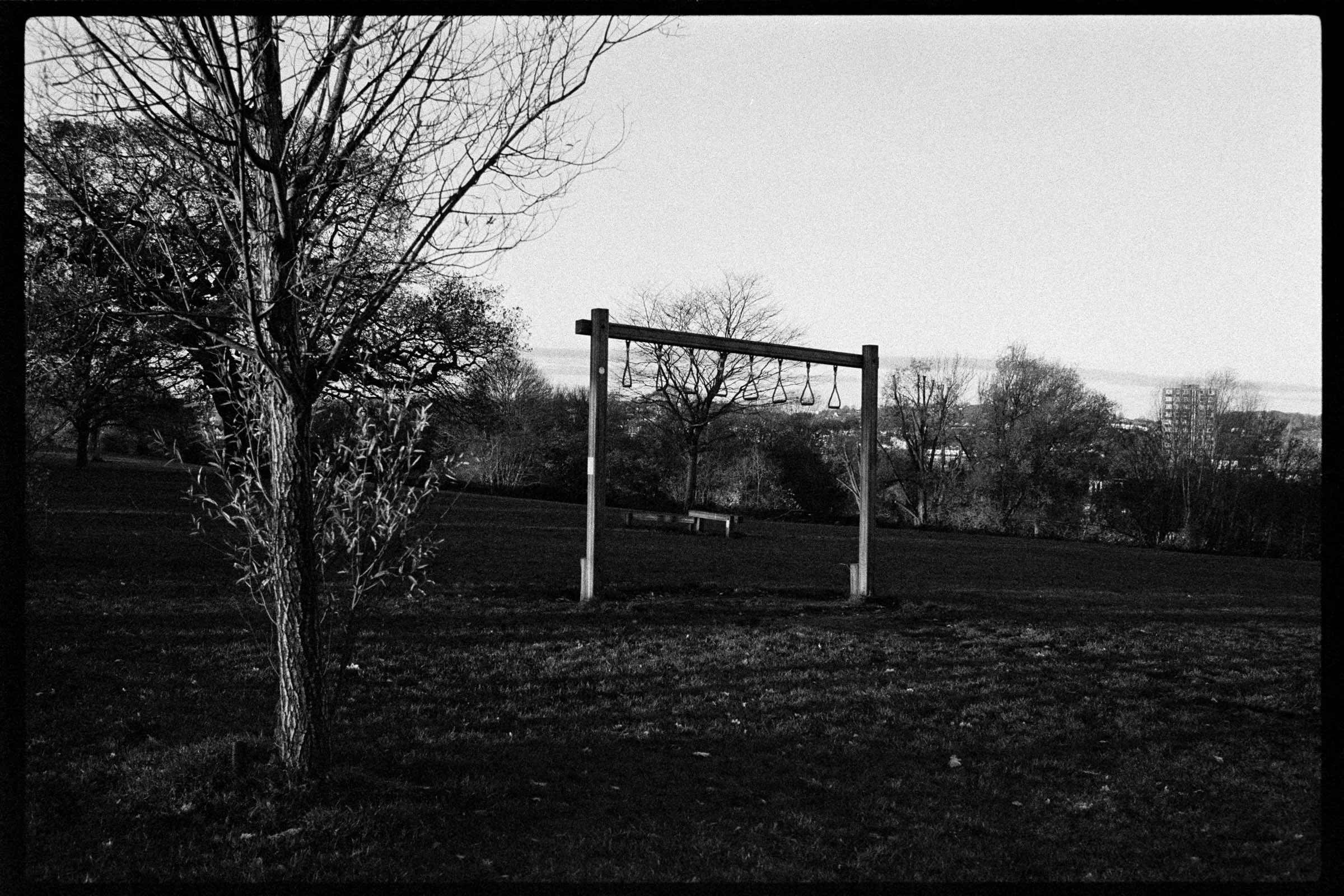
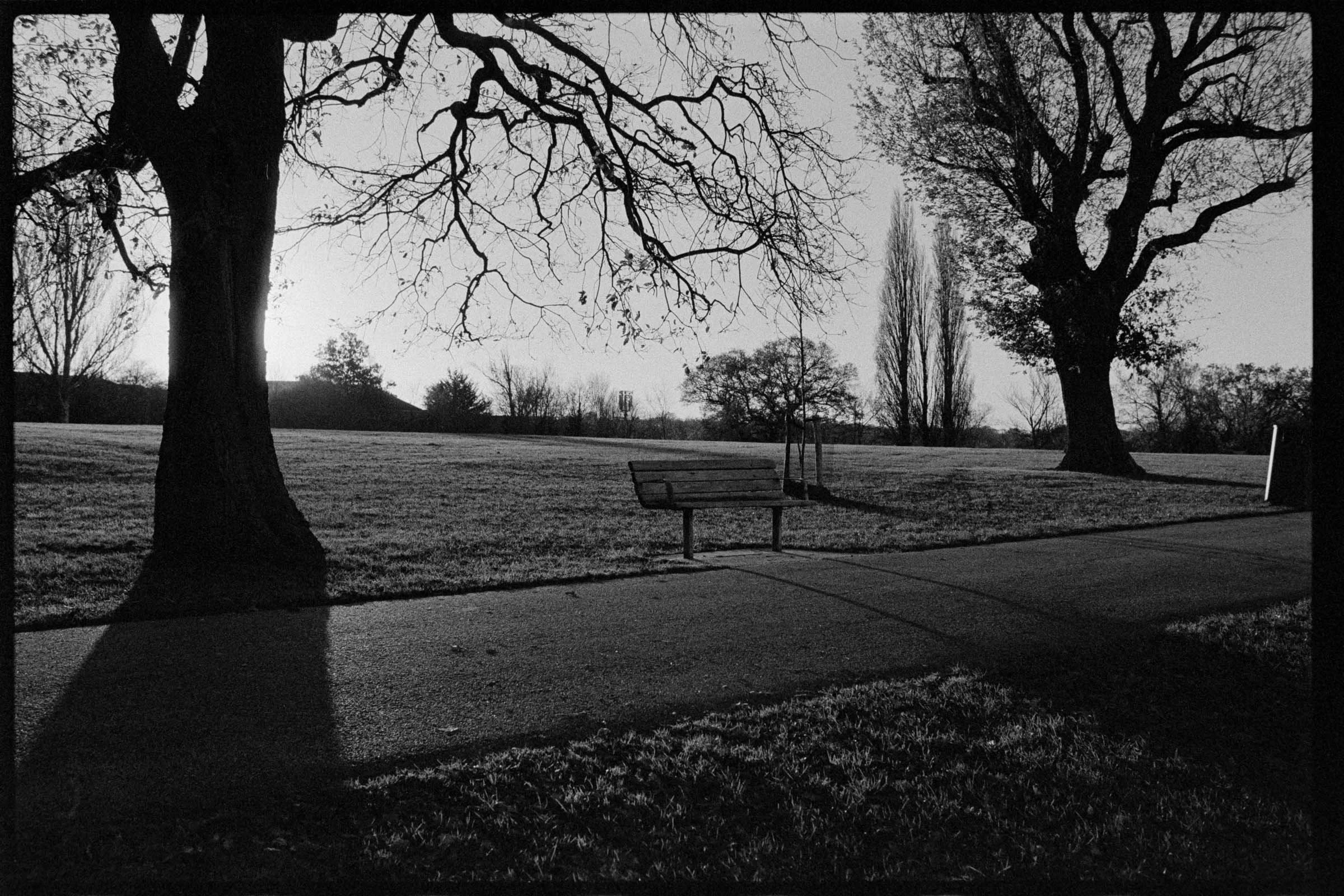
One fascinating technical detail about Neopan 1600 was that Fujifilm engineered it to share identical development times with Acros 100 and Neopan 400—a massive time-saver for working pros processing multiple rolls in the same tank.
Despite its age, the resulting images were stunning: deep contrast, nice tonality and controlled grain considering its high sensitivity. It was one of my favourites out of all 8 films. I would love to run a direct side-by-side test against HP5 pushed to 1600 or the 3200 stocks from Ilford and Kodak, but the inevitable base fog and speed loss make a fair comparison nearly impossible today.
ACROS 100
(Discontinued 2018) - Data Sheet
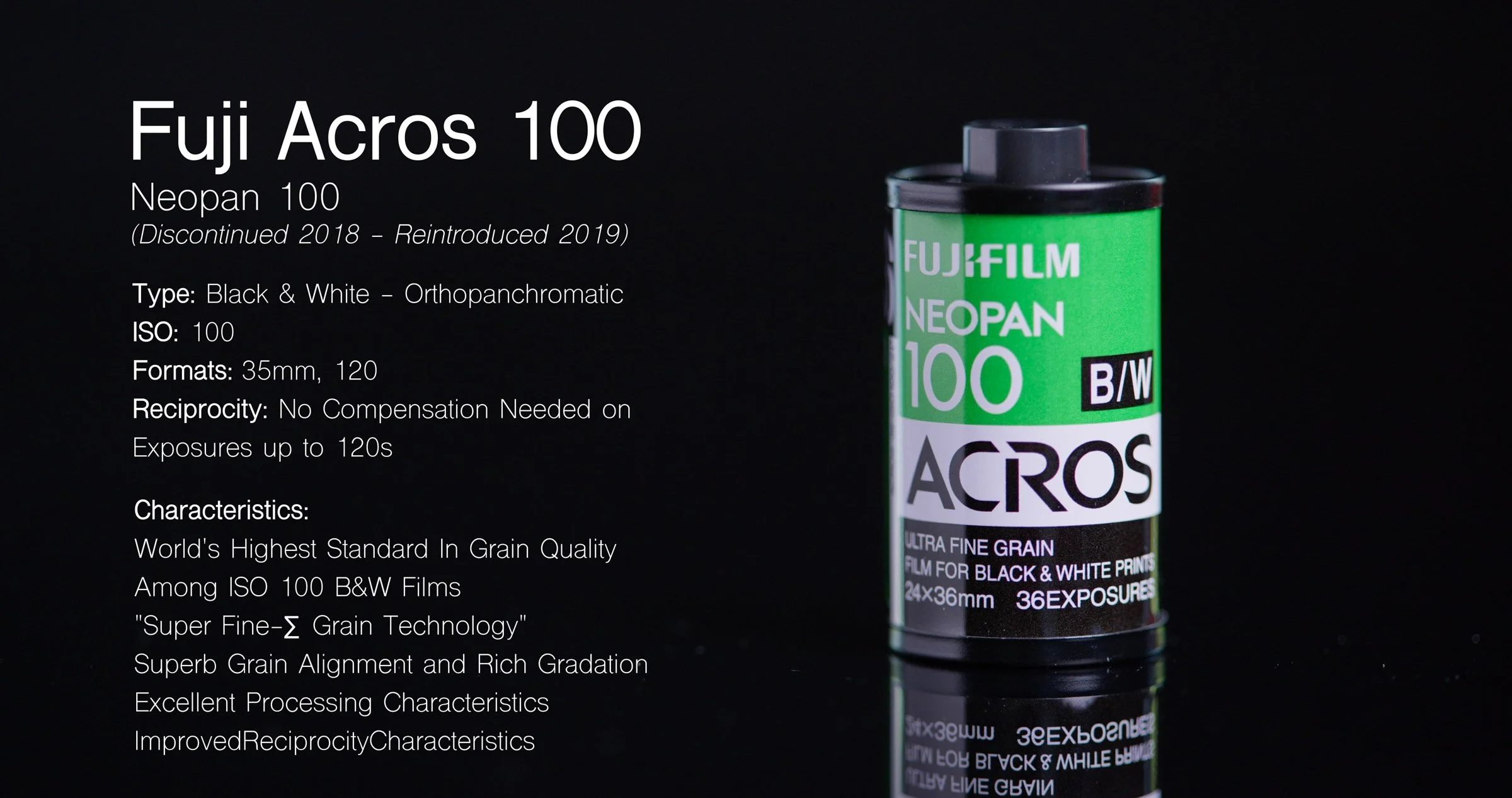
To close out the black & white chapter, we’re ending with the original Acros 100.
Marketed by Fuji as having the "World’s Highest Standard in Grain Quality" among ISO 100 films, Acros was famous for its exceptional sharpness and rich, punchy contrast. It has a tabular grain (T-grain) design, producing silky-smooth images that many people often describe as looking "nearly digital." It is an ortho-panchromatic film—meaning it has slightly reduced sensitivity to the red spectrum, and as noted earlier, it conveniently shares identical development times with the rest of the Neopan family. It’s also worth noting that it has remarkable reciprocity characteristics that require no exposure compensation for exposures at shutter speeds of up to 120 seconds.
My roll expired in 2019. I shot it at box speed and developed it in Ilfotec HC (1+47 dilution) for 8 minutes.
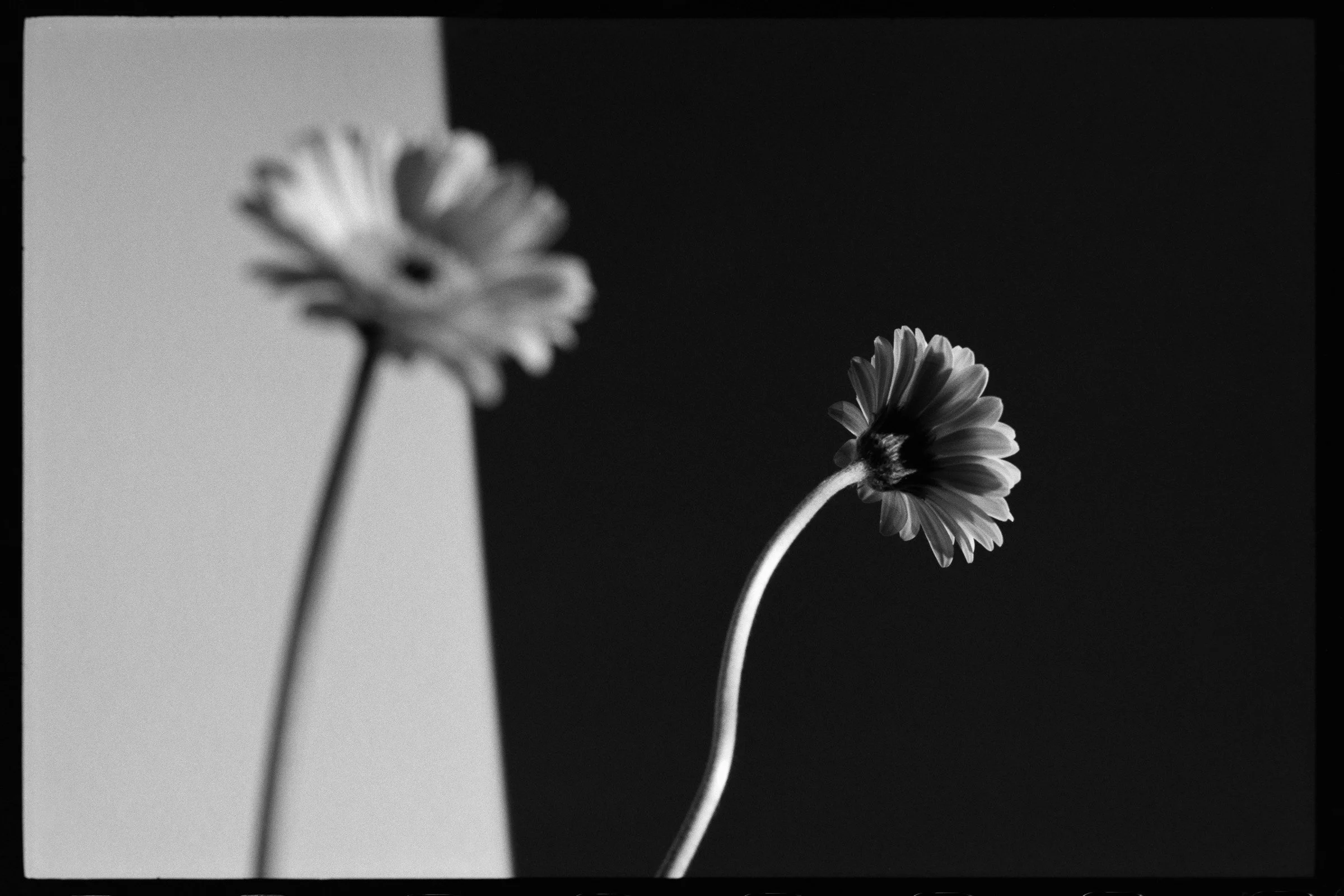
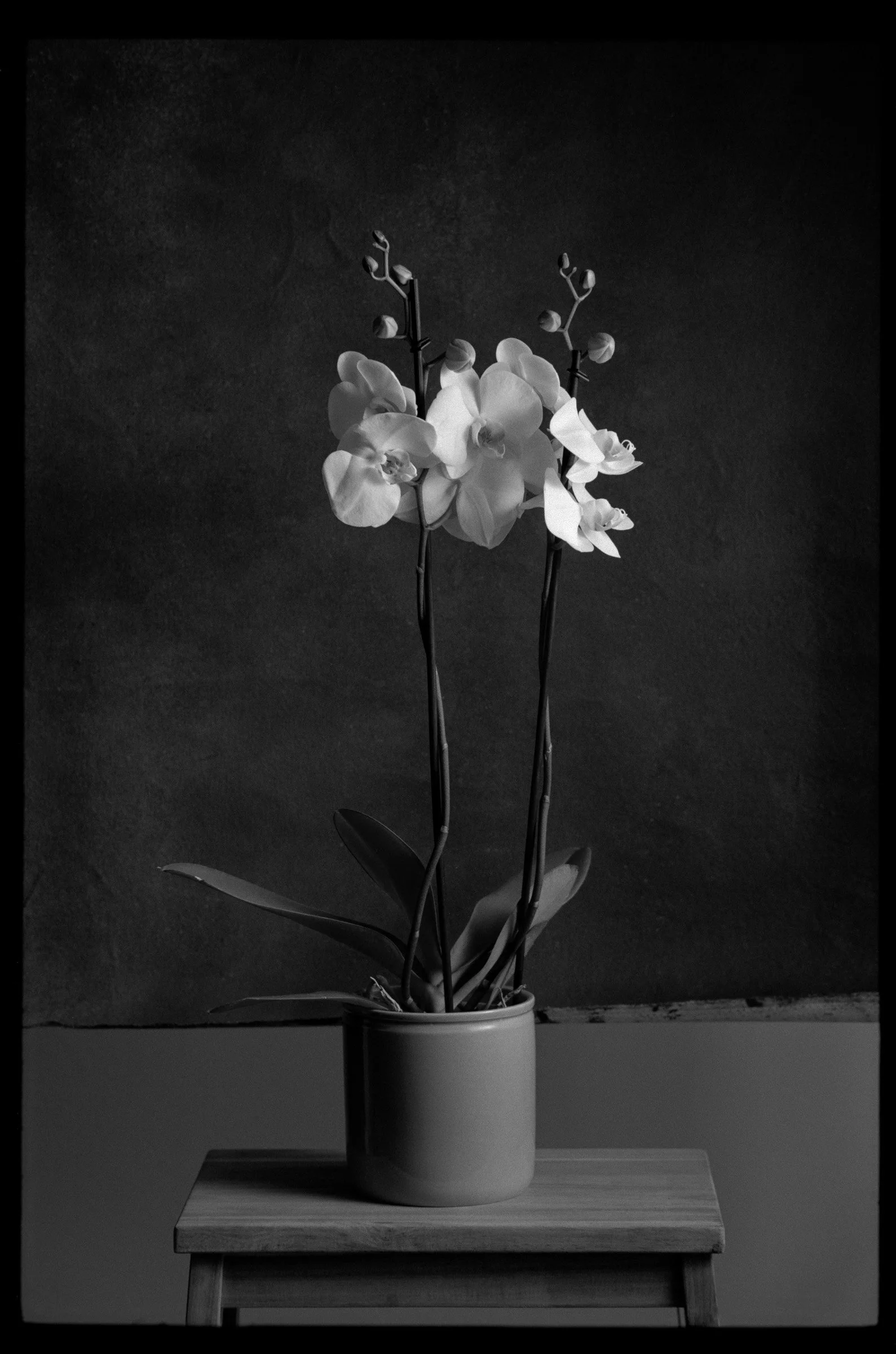

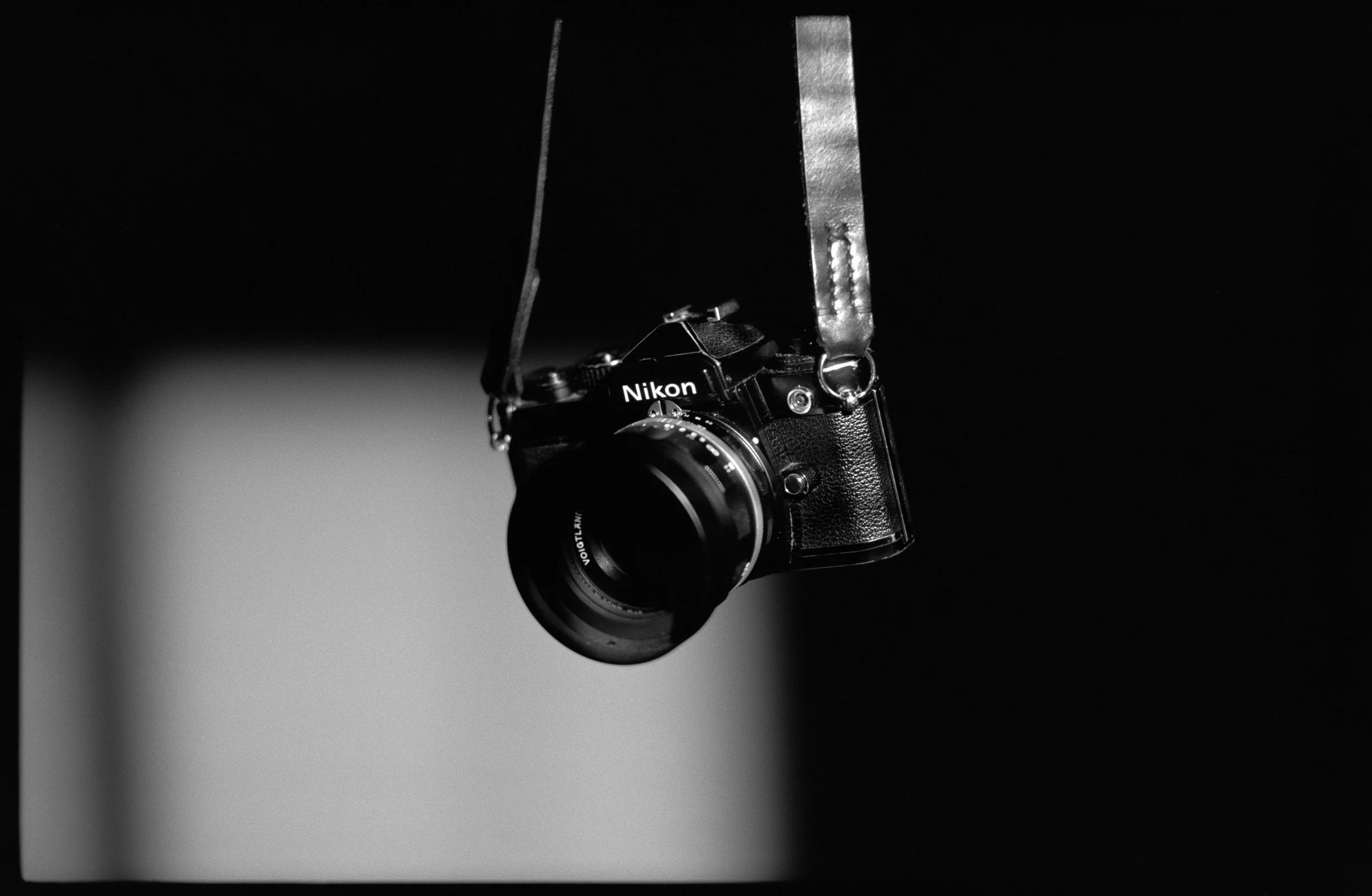


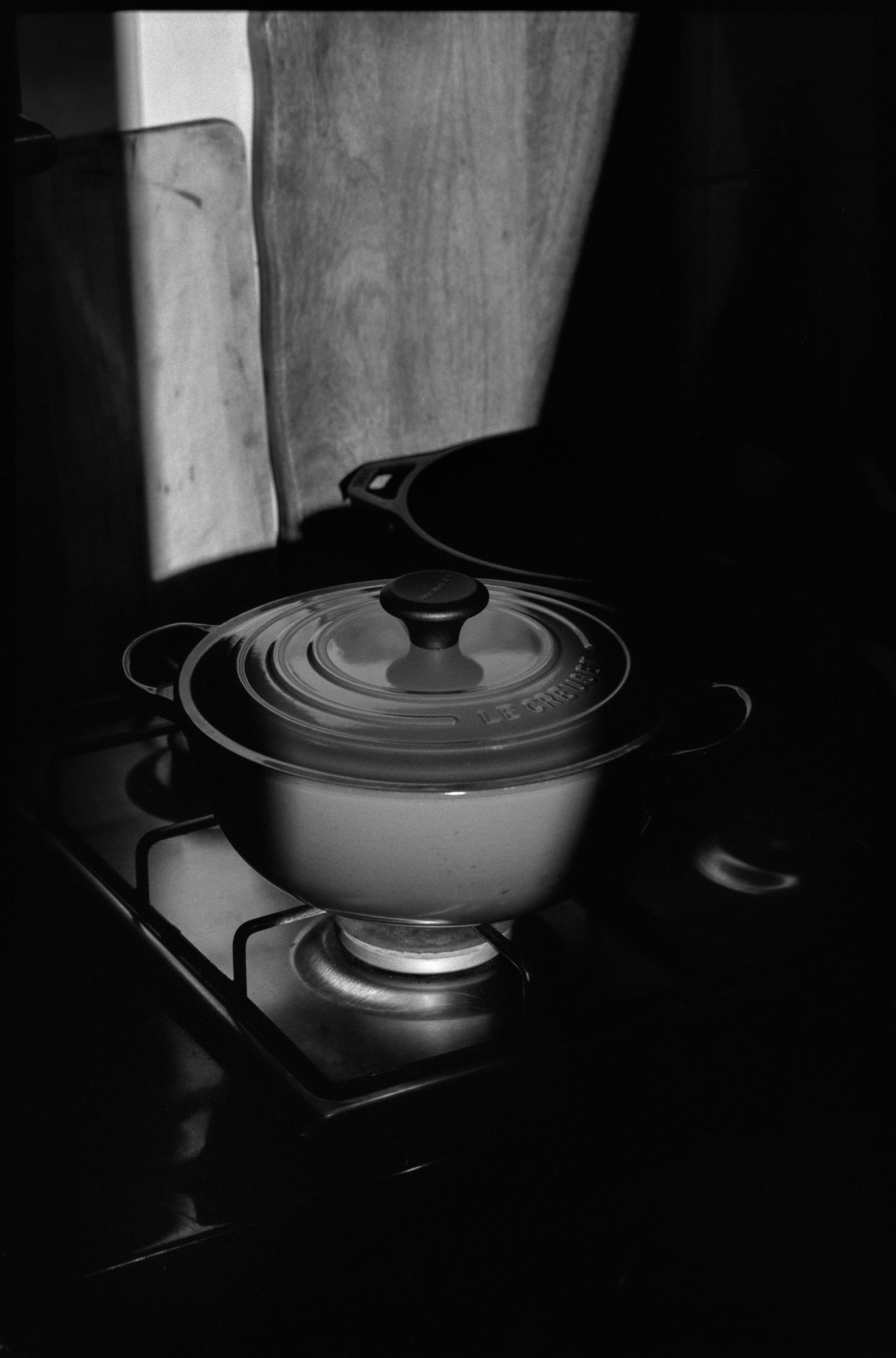
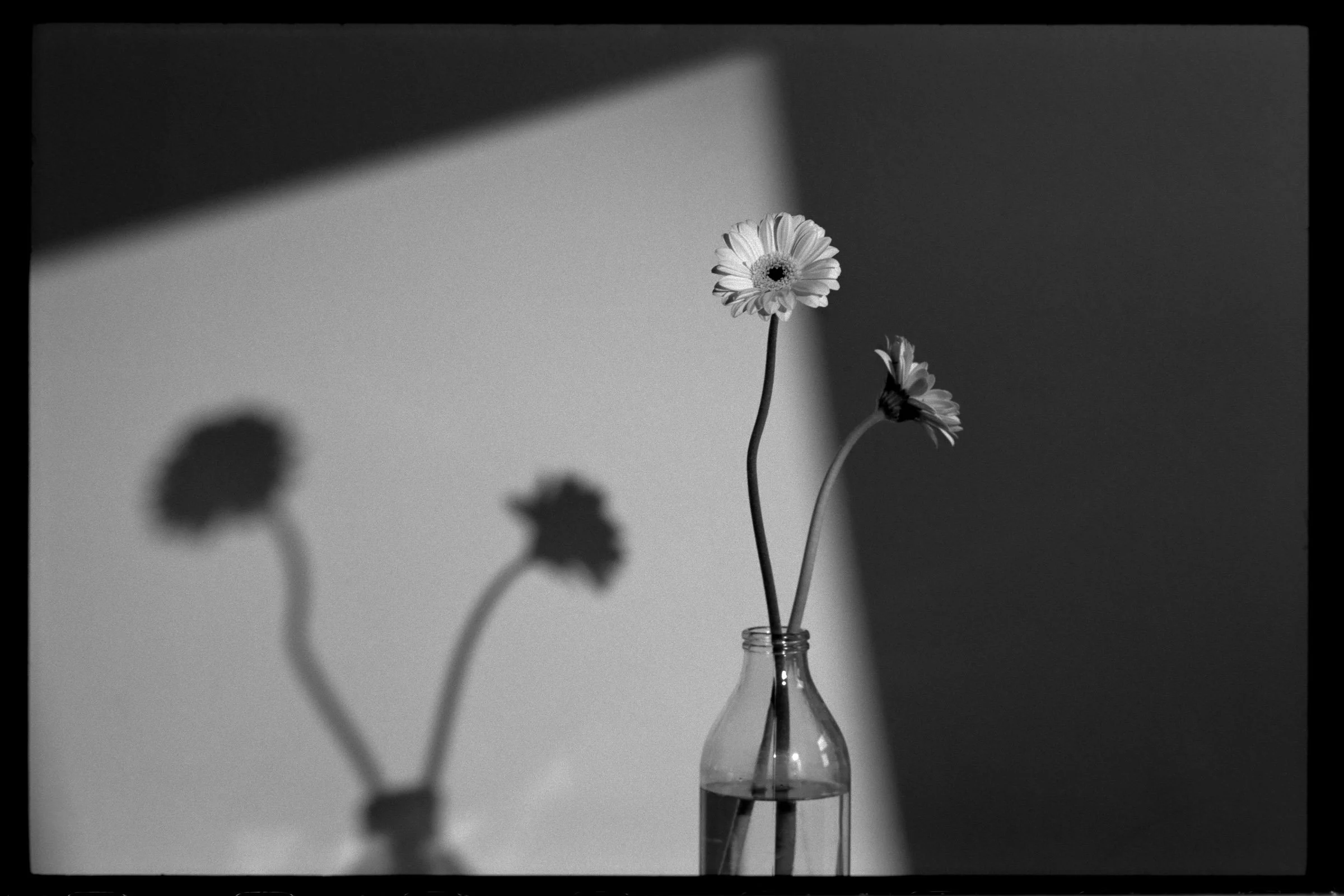

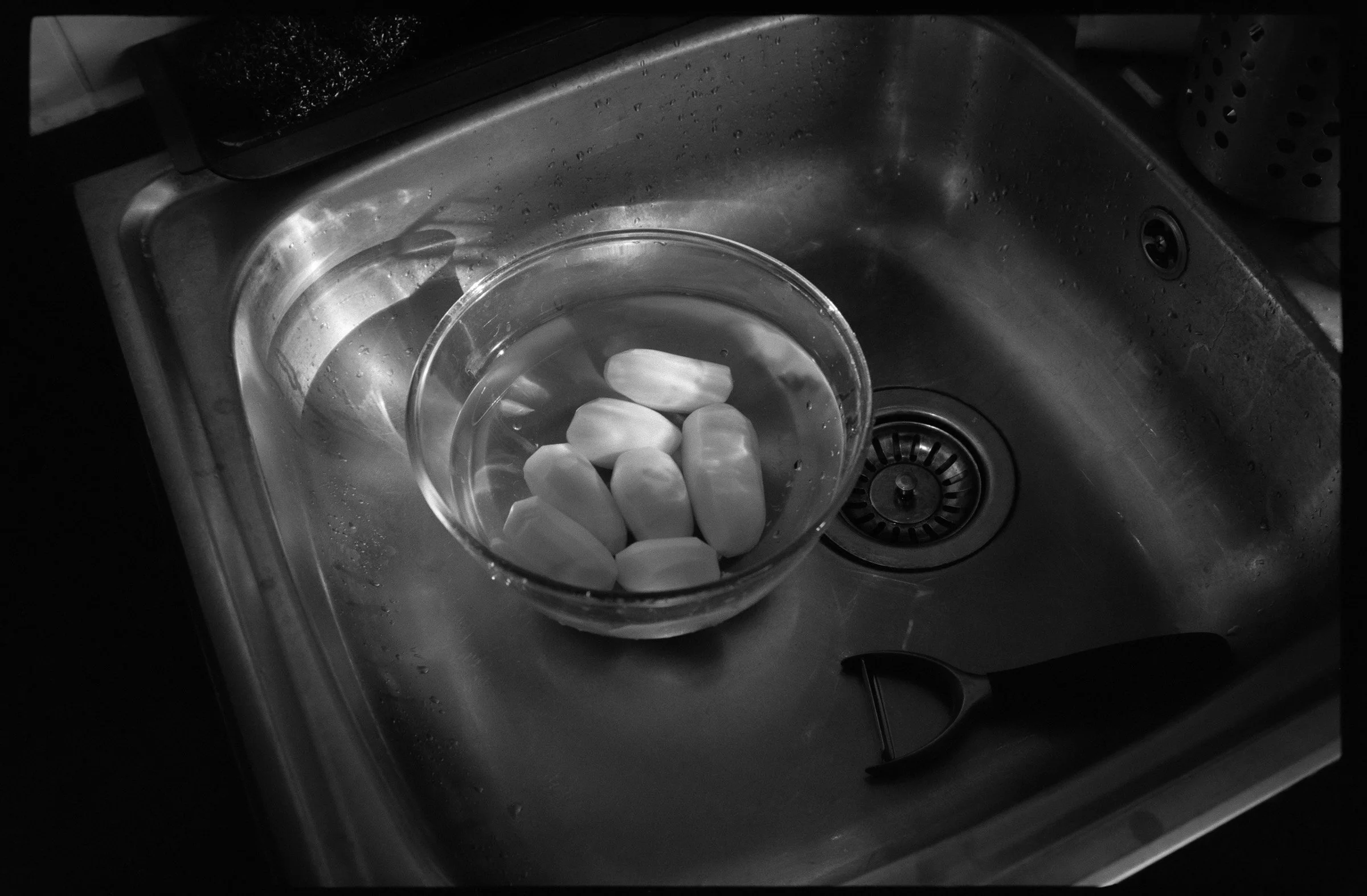
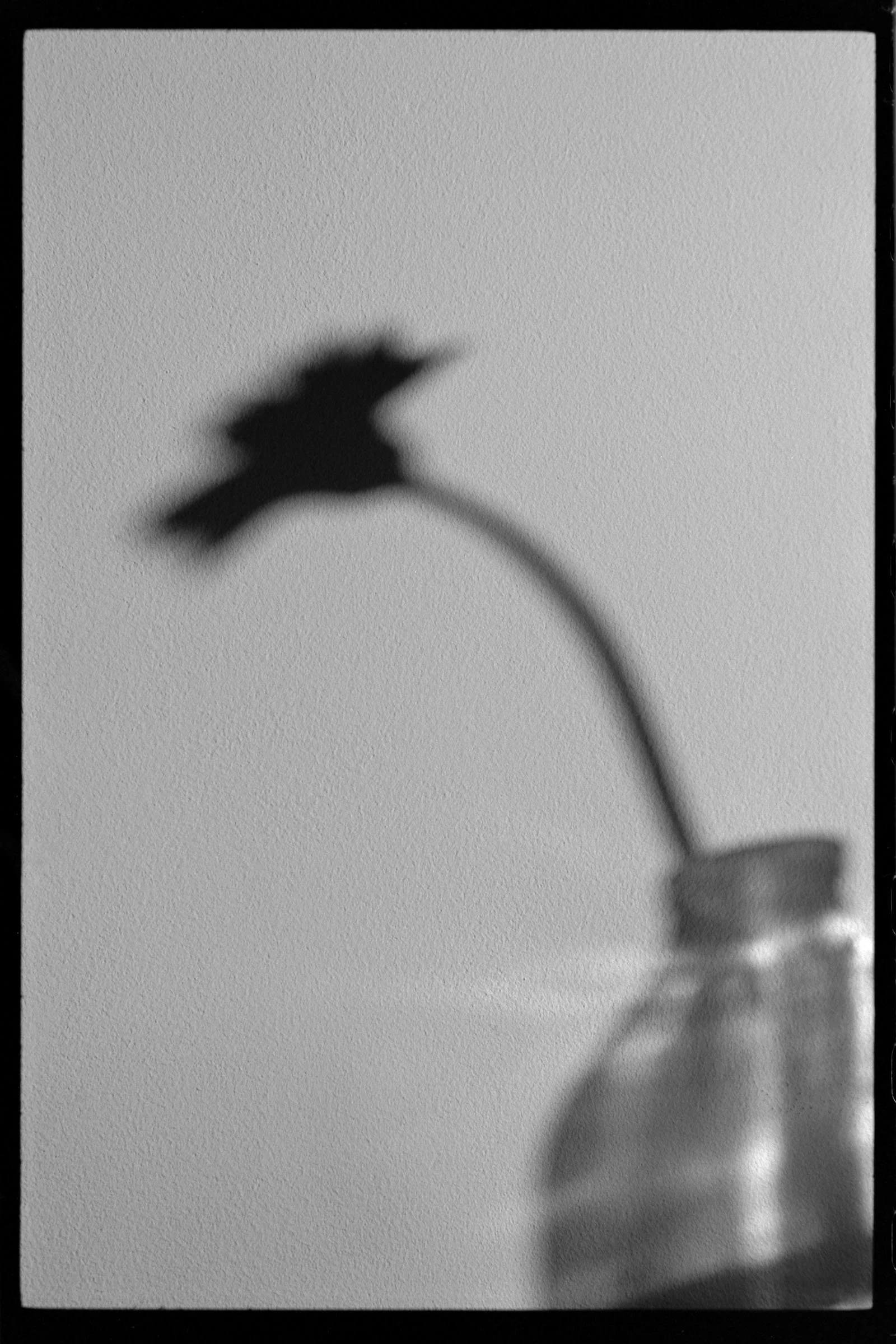
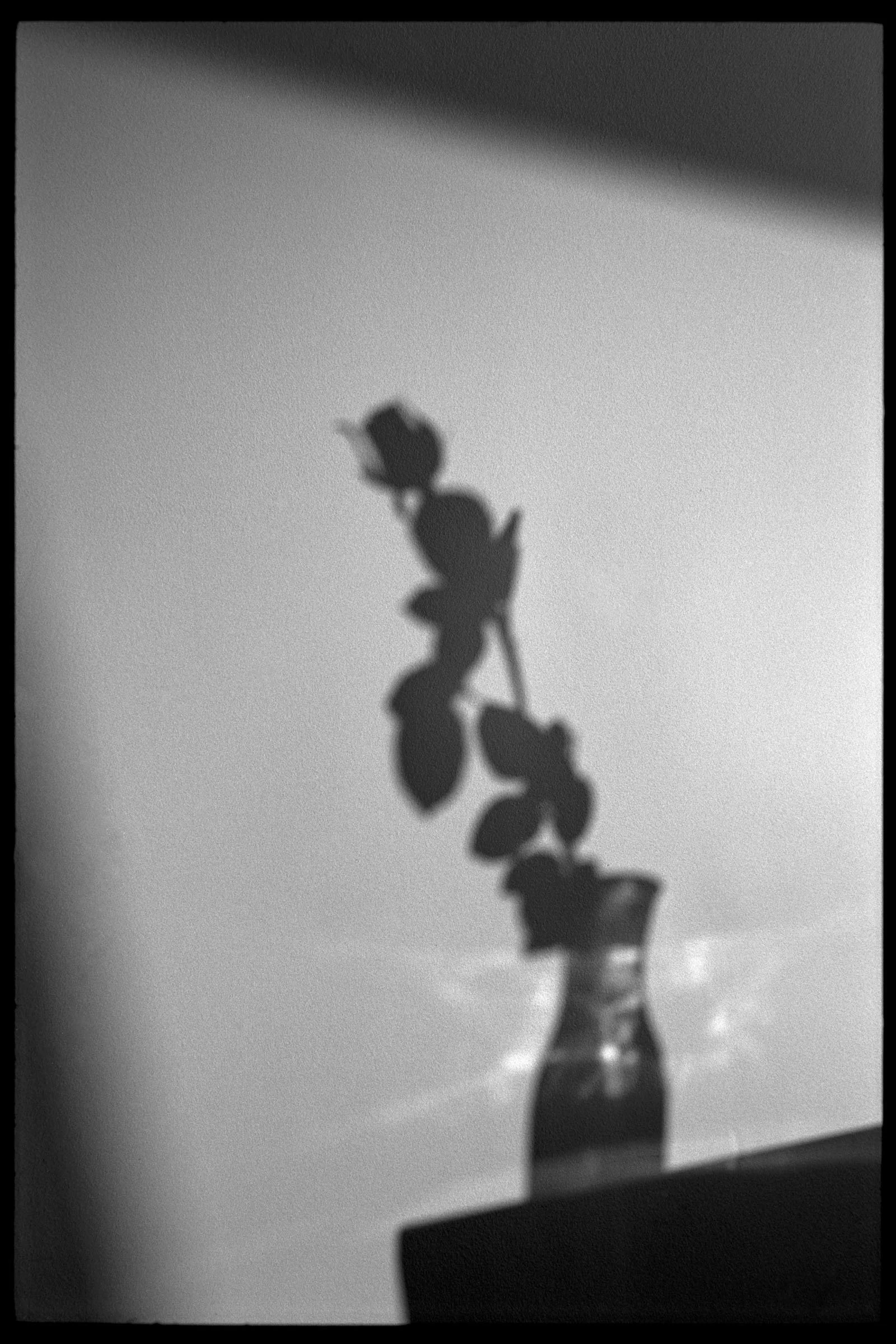
The resulting images came out beautifully, and personally, I disagree with the idea that low ISO black and white films look digital. To my eye they have a very distinct look, with smooth tonal gradation, rich contrast and a subtle texture from the grain that makes them look unmistakably filmic. That said, I completely understand why many would favour grainier, grittier emulsions that have a much more pronounced film look and can work beautifully with the right subject.
Thanks to its low native speed, Acros is a stock that holds up exceptionally well over time. If you ever come across a roll, don’t hesitate to shoot it at box speed.
While Fuji reintroduced the fillm as Acros II in 2019, the "Made in the UK" stamp on the box suggests that it is now manufactured by HARMAN Technology—the very same company that makes Ilford films.
Closing Thoughts
Looking back across all of these films, it's clear just how much innovation Fujifilm brought to photography. They were the only company to really be head to head with Kodak. They had an exceptionally strong portfolio covering nearly every emulsion type, not to mention their motion picture department, darkroom supplies, and iconic lineup of cameras and lenses. Anyone who had the chance to shoot these films regularly during their production run undoubtedly misses their distinct character. While every single roll in this test had its own charm, the slide films remain my personal favourites—if only by a hair. Fuji definitely got it right with their reversal lineup and I just haven’t been able to bond as much with Ektachrome, even though it’s a great film.
If you're tempted to track down and shoot any of these discontinued stocks yourself, my biggest piece of advice is to go in with grounded expectations, unless you are one hundred percent sure how they were stored over the years. And please, don’t pay absurd prices for them. At the end of the day, it’s still expired film, and no single roll is worth a $100 gamble. Most importantly, let’s make sure to appreciate and enjoy the films we still have available to us right now. Even though fresh stock can be scarce, you can still buy new rolls of Velvia and Provia. It will be a very sad day if Fuji ever decides to discontinue those, so go out and enjoy them while you still can.
To end this trip down to Fuji’s recent history, I’d love to hear from you: which of these iconic films do you miss the most—or if you’ve never shot them, which one you would love to try out? Let me know down in the comments.
You can check out the high-res photo gallery throughout this article (you can right click them to a new tab as well), and I’ve uploaded all the original data sheets—both throughout the article and grouped below—if you want to check out all the technical specs.
If you reached this far, thank you for taking the time to read this and I hope we can continue the discussion either here or over in the YouTube comment section.
Resources
Note: Some of the following are affiliate links. Using them comes at no extra cost to you, but it helps support me with a small commission on qualifying purchases.
Data Sheets
Fuji Neopan 1600 Version I & Version II
Fuji Professional Film Data Guide
Additional Samples
A small compilation of links with samples from other talented photographers using these films to get a more complete look on these stocks.
For Astia 100F I‘ll send you over to the photographer I mentioned on that chapter, Rodney Lough Jr. Looking through his portfolio you will find information on every photo up there. Lots of Astia along with Velvia and Provia. Beautiful landscape photography. I also found some nice examples on Ryan Park’s video and then a very useful comparison between Astia, Provia and Velvia by Blake Johnston.
On Sensia 100 I didn’t find any great results in a curated form, so I’ll link the good old Flickr group. A bit more chaotic than I like but you can definitely find some hidden gems in there. Feel free to send me any nice examples of this film and I’ll happily share it here.
For Provia 400X we have a cool street photography video from Hashem, and I also found some cool images here and there like some of these night shots (@ 1:15) but nothing really cohesive. So feel free to chime in. This film performed amazing for night shots if you can find some clean examples.
Hashem made a great video recently on hist last roll of Natura 1600, his roll looked in much better condition than mine. And then the OG—Eduardo Pavez Goye—had a nice portrait session on an Xpan of all cameras. Lastly, while researching for this blog I stumbled upon a video from Matt Loves Cameras, which has plenty of nice samples and a good overview of the film.
The list on Pro400H could be endless. Have a look at its exposure latitude, and then samples from Casual Photophile, Shoot It With Film and Robert von Thaden.
There is a recent video by Jason on Industrial 100 with plenty of nice samples and a good dose of dry humour to go along with them. And there are a few blogs with a good variety of samples from Casual Photophile, Ikigai Film Lab, 35mmc and My Favourite Lens.
There is a pretty cool video on the Neopan 1600 from @filmstockreel where he shoots 14 rolls of it and gives plenty of good examples. It was a helpful resource for me to see how this film performs after nearly 15 years and decide at which EI to shoot it. Then there is Jason shooting the Super Presto version of the film and we also have a couple of blogs from “All My Friends Are Jpegs” and Toivonen.
I found a few blogs with a good variety of images on the Acros 100. Starting with Myles Katherine featuring some beautiful samples from both version I and II of the film. Then we have Ming Thein with some nice images on the 120 version using a 501 Hasselblad and Matt Osborne—more commonly known as Mr. Leica—with some cool portraits using this film (some of them NSFW).
My Scanning Equipment
EFH - Essential Film Holder - https://clifforth.co.uk/
Viltrox 116T - https://amzn.to/4bXz7oK
Manfrotto Super Clamp - https://amzn.to/458OrfW
Manfrotto Stud/Spigot - https://amzn.to/3KrH35U
Manfrotto Tripod Head - https://amzn.to/3yJG26G
Cutting Mat - https://amzn.to/3Xa6bWA
Tethering Cable (USB—C to 2.0 Mini) - https://amzn.to/3VsK8cd
Canon EF 100mm f/2.8 Macro USM Lens - https://amzn.to/4c6MbYX
Negative Conversion:
Negative Lab Pro - https://www.negativelabpro.com
How To Build your own Copy Stand for ~$100 - https://alexandermatragos.com/blog/2023/1/15/building-a-copy-stand-to-scan-film-for-100